Business · Markets · 2 days ago
China’s central bank rejects claims it keeps the yuan weak for trade
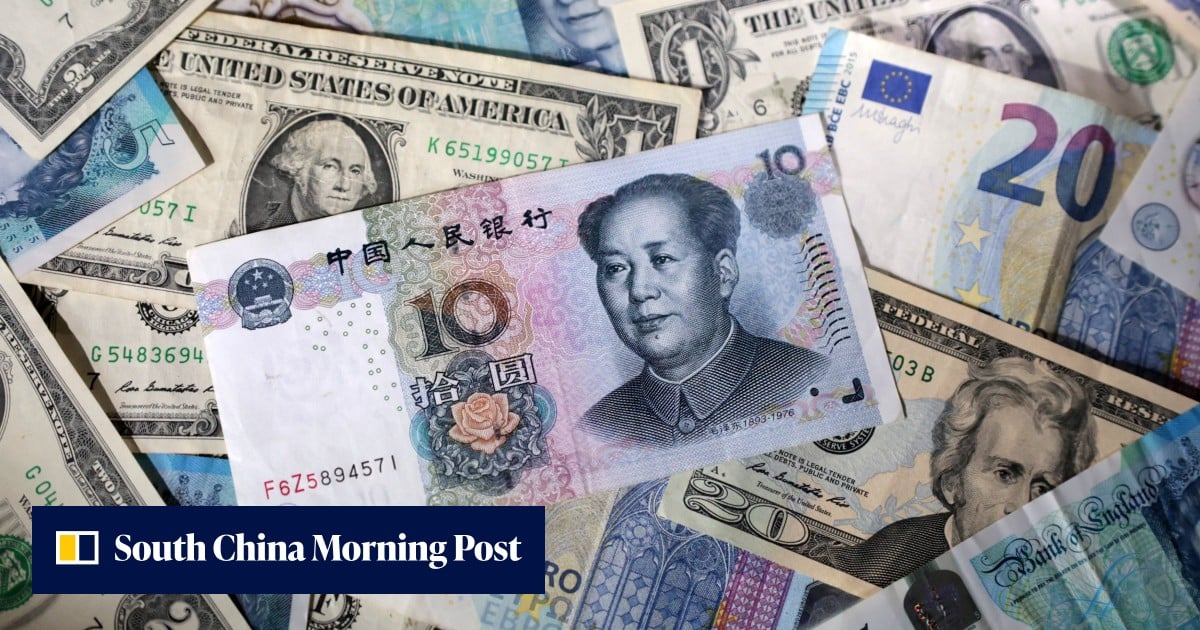
China’s central bank has rejected claims that the country keeps the yuan weak to help its exporters.
It said China has neither the need nor the intention to devalue its currency for a competitive advantage.
The statement came as China and the European Union began a new round of trade talks.
European officials say a weak yuan benefits Chinese exporters and contributes to the EU’s growing trade deficit with China.
The central bank argued that China’s export strength comes from rising industrial competitiveness, not its exchange-rate policy.
It also said currency adjustments cannot resolve the deeper structural causes of global economic imbalances.
Analysts cited in the coverage expect no major change in China’s currency policy, though one said the statement could signal greater resistance to further yuan gains.
One analyst described it as a position-setting document ahead of negotiations, rather than a change to the currency regime.

China’s central bank rejected claims that it deliberately keeps the yuan weak to gain a trade advantage.
The People’s Bank of China said China has no need or intention to devalue its currency for competitive gain.
The statement came as China and the European Union began a new round of trade talks.
European officials have argued that a weak yuan benefits Chinese exporters and contributes to the EU’s growing trade deficit with China.
China’s central bank said the country’s export strength comes from rising industrial competitiveness, not exchange-rate policy.
- Who
- The People’s Bank of China (PBOC), China’s central bank.
- What
- It rejected claims that China keeps the yuan undervalued for a trade advantage and said it has no need or intention to devalue the currency for that purpose.
- When
- The PBOC published its position paper on Thursday, October 8, 2026; another report was published on October 9.
- Where
- China and the European Union were beginning a new round of trade talks.
- Why
- The PBOC said exchange-rate changes cannot resolve global structural imbalances and that China’s export strength comes from industrial competitiveness.
China’s central bank
European officials
Currency policy
China’s central bank
China says it has no need or intention to devalue the yuan for a competitive advantage.
European officials
European officials say a weak yuan gives Chinese exporters an advantage.
Trade imbalance
China’s central bank
The PBOC says global imbalances are tied to broader structural factors and cannot be solved by exchange-rate adjustments.
European officials
European officials say the weak yuan contributes to the EU’s growing trade deficit with China.
Global economic imbalances are deeply intertwined with shifting global division of labour, inherent flaws in the international monetary system, and persistently high fiscal deficits and high consumption in some countries
China has no need or intention to devalue its currency to gain a competitive advantage
The PBOC published a position paper on the yuan exchange rate as China and the EU began a new round of trade talks.
Bloomberg HT reported the PBOC’s rejection of claims that the yuan was kept undervalued for trade advantage.
- Central bank
- People’s Bank of China (PBOC)
- Trade talks
- China and the European Union began a fresh round
- Yuan change
- The yuan gained 4.3% against the US dollar this year
- Euro change
- The euro had fallen more than 10% against the yuan from its January peak
- Merz’s estimate
- Germany’s chancellor said the yuan was 25%–30% undervalued
Sources
Related news

Huawei’s European-style Chinese campus supports 25,000 R&D staff

EU says China will moderate hybrid car exports to Europe
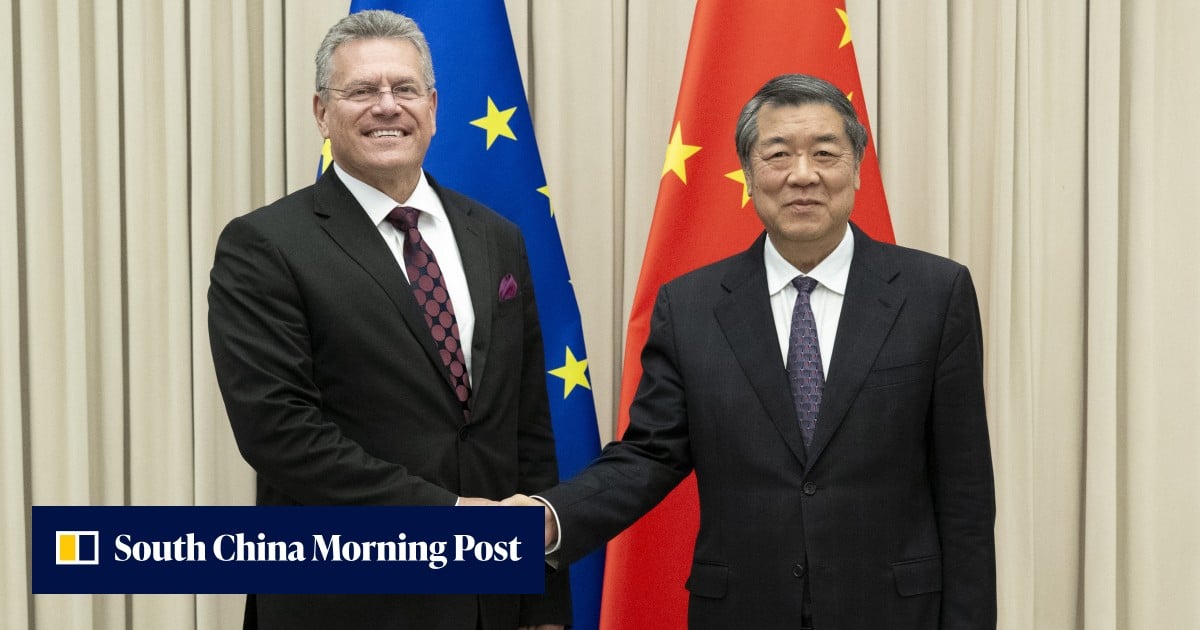
China and EU agree to cut hybrid car exports by more than half

Tim Cook makes third China visit of 2026 as Apple executive chair

China farms far more pirapitinga than Brazil, but not tambaqui

EU plans four-year cap on hybrid vehicle imports, starting at 350,000
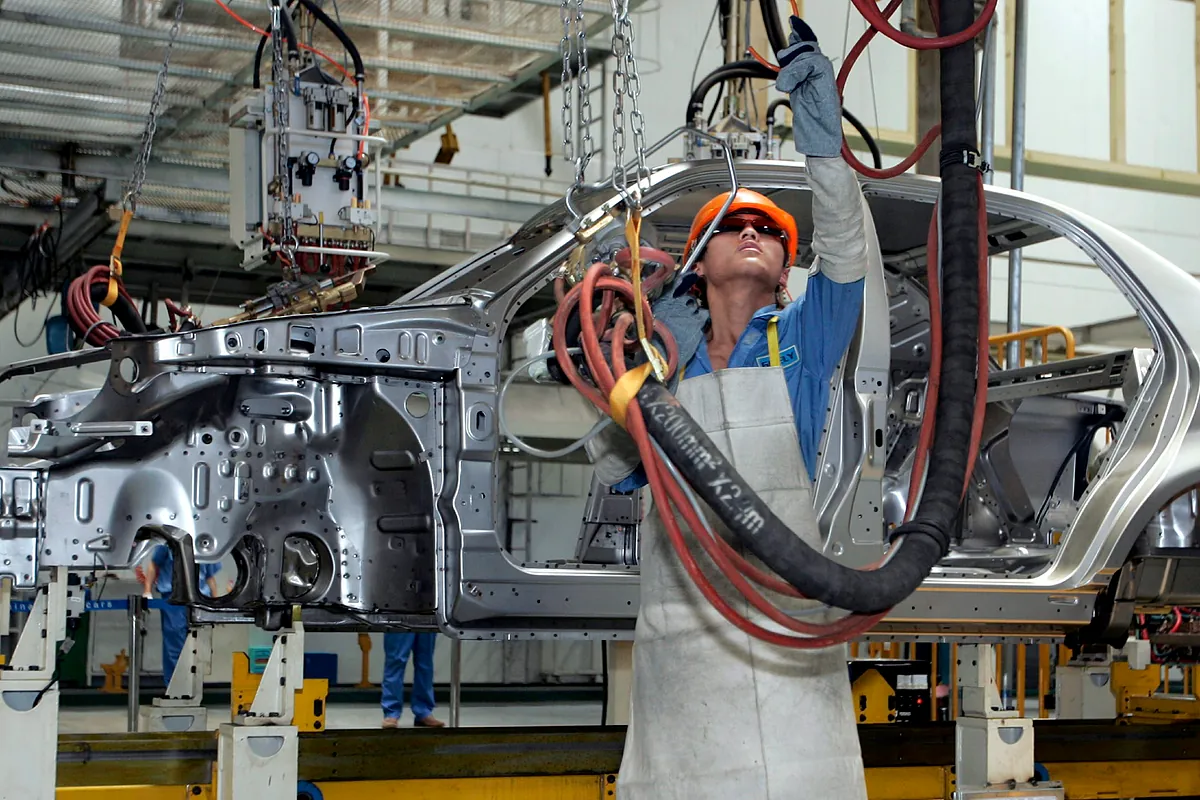
China adds 10.52 million urban jobs in first nine months of 2026

EU and China reach understanding to cut hybrid car exports by more than half

Toyota, China FAW and GAC agree to deepen cooperation on electric vehicles

China’s securities firms seek more clients outside the country

China Agrees to Curb Hybrid Vehicle Exports to the EU