Science & Tech · Science & Environment · 23 hrs ago
Korean Animal Science Institute discarded 11,002 more research animals than planned

South Korea’s National Institute of Animal Science discarded 134,220 research animals over five years, 11,002 more than it had planned.
The institute is part of the Rural Development Administration, a government agency.
Research animals can be discarded when they cannot be used for research, supply, sale or donation, including when disease kills them or there are concerns about biological resources escaping.
Last year, the institute discarded 23,082 animals, compared with a plan for 14,380.
An office representing lawmaker Kang Seung-gyu said 3,824 chickens were culled early to save feed costs.
The institute said those chickens were old and were culled early, and denied that the cull was done to reduce costs.
Kang said the gap between planned and actual numbers should be addressed and called for better management of research animals.

South Korea’s National Institute of Animal Science discarded 134,220 research animals from 2021 through 2025, 11,002 more than planned.
In 2025, it discarded 23,082 animals, compared with a plan for 14,380.
The lawmaker’s office said 3,824 chickens were culled early last year to reduce feed costs.
The institute said the chickens were old and were culled early, and denied that cost-cutting was the reason.
Lawmaker Kang Seung-kyu said the gap between planned and actual disposal amounts needed to be addressed.
- Who
- South Korea’s National Institute of Animal Science, an agency under the Rural Development Administration.
- What
- It discarded 134,220 research animals over five years, 11,002 more than planned.
- When
- From 2021 through 2025; the figures were reported on October 11, 2026.
- Where
- South Korea.
- Why
- The institute said the early culling of chickens was because they were old. The lawmaker’s office said 3,824 were culled early to reduce feed costs.
Kang Seung-kyu and his office
National Institute of Animal Science
Reason for early chicken culling
Kang Seung-kyu and his office
The lawmaker’s office said 3,824 chickens were culled early to reduce feed costs.
National Institute of Animal Science
The institute said they were old chickens culled early, and denied that cost reduction was the reason.
Management
Kang Seung-kyu and his office
Kang said the large annual differences between planned and actual disposal amounts should be improved and called for better animal-management systems.
National Institute of Animal Science
Not stated
Given the nature of the institution, disposing of experimental livestock when research ends is unavoidable, but the fact that there are considerable differences each year between planned and actual disposal amounts must be improved.
The chickens were old chickens, so they were culled early; this saved on feed costs, but they were not culled for the purpose of reducing costs.
The institute discarded 134,220 research animals against a planned total of 123,218.
The institute discarded 23,082 animals, although its plan called for 14,380.
The lawmaker’s office said 3,824 chickens were culled early to save on feed costs; the institute disputed that explanation.
Yonhap reported the figures and the differing explanations.
- Actual animal disposals, 2021–2025
- 134,220
- Planned animal disposals, 2021–2025
- 123,218
- Above-plan disposals
- 11,002
- Actual disposals in 2025
- 23,082
- Planned disposals in 2025
- 14,380
- Chickens reportedly culled early in 2025
- 3,824
Sources
Related news
Researchers map hair-like sensory cells across squid bodies
Bellbird and Seriema Among the Loudest Birds Measured
Survey finds only 83 mature cheetahs across a vast area of South Africa

British Columbia rogue wave was nearly three times taller than nearby waves

Detached sea cucumber tissue remained active for more than three years
New book examines the survival skills of 75 fierce forms of nature

Researchers confirm a new giant waterlily species in Colombia

Air pollution reaches ‘very poor’ levels in towns near Manaus

Showers and morning fog forecast in parts of Türkiye
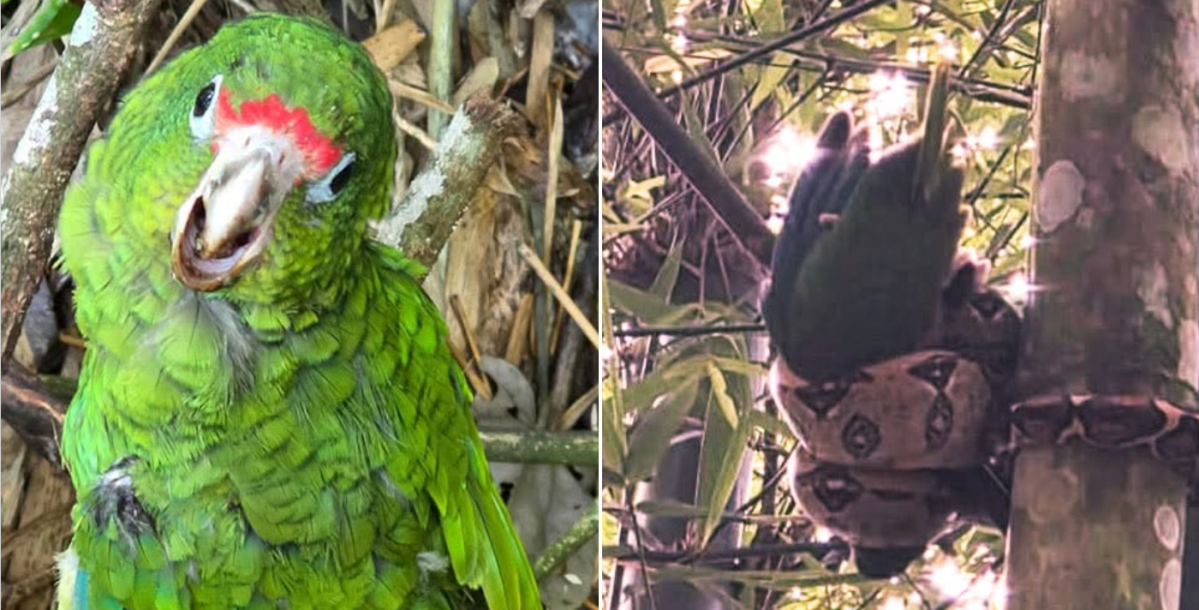
Young Puerto Rican parrot rescued from invasive boa
Warm, mostly sunny weather forecast across the Netherlands this week