

Health · Healthcare & Policy · 9 hrs ago
Medicaid cuts raise risk of more US maternity ward closures
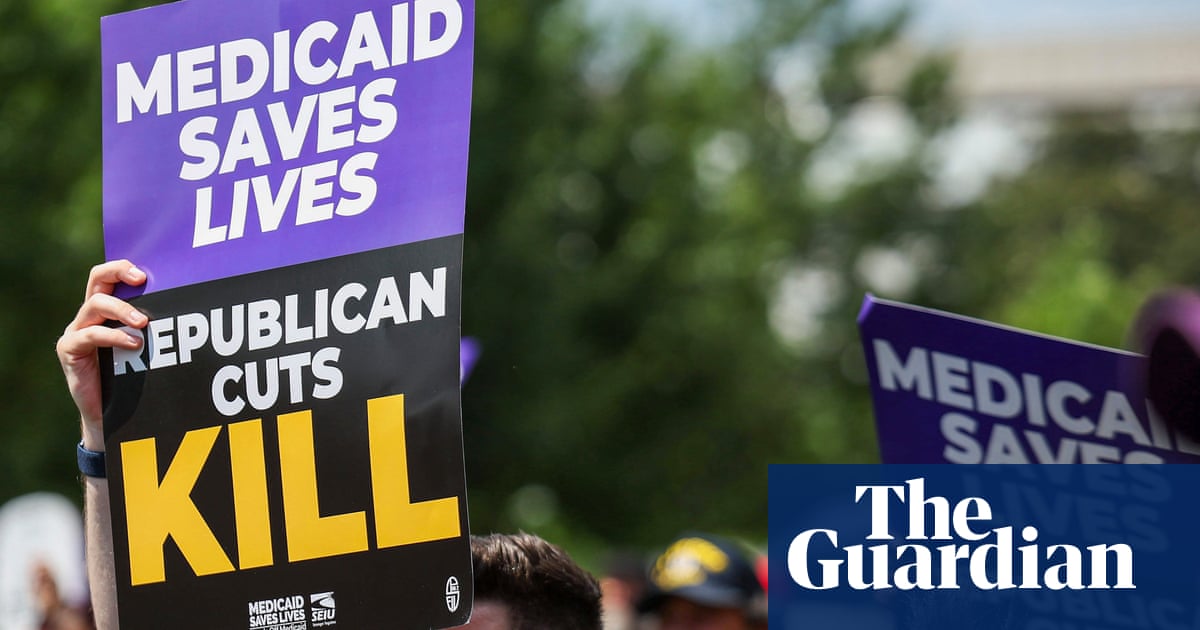
Maternity wards across the United States are closing as hospitals prepare for cuts to federal Medicaid funding under the HR1 bill.
Since the bill was announced in July 2025, 52 wards have closed and eight more have announced plans to close, according to Protect Our Care.
The changes are due to take full effect in the new year and include less federal funding for states, new work requirements for many adults on Medicaid and more frequent checks of eligibility.
Medicaid pays for about 40% of births in the United States, and experts warn that reduced funding could make it harder for hospitals to keep maternity services open.
Rural communities may be especially affected: 31 rural hospitals with labor and delivery services have been identified as at risk, and their closure could leave 96 counties without such a unit.
Experts say the changes could also disrupt coverage for some pregnant people who are not enrolled through Medicaid’s pregnancy pathway.
More maternity ward closures are expected before and after the Medicaid changes take effect.

Experts warn that federal Medicaid funding cuts could lead to more maternity ward closures across the United States.
Protect Our Care says 52 maternity wards have closed since the HR1 bill was announced in July 2025, and eight more have announced plans to close.
The bill will fully take effect in the new year, bringing work requirements for many adults covered by Medicaid, more frequent eligibility checks and less federal funding for states.
March of Dimes has identified 31 at-risk rural hospitals with labor and delivery services; their possible closure could leave 96 counties without such a unit.
Medicaid pays for about 40% of births in the United States, where the maternal mortality rate is 17.9 deaths per 100,000 live births, according to the latest CDC figures.
- Who
- US hospitals and communities that rely on maternity wards, especially in rural areas, face the risk of closures.
- What
- Experts warn that Medicaid funding cuts could prompt more maternity ward closures.
- When
- The HR1 bill was announced in July 2025. It will fully take effect in the new year.
- Where
- Across the United States, including rural communities.
- Why
- The bill reduces federal Medicaid funding for states and adds work requirements and more frequent eligibility checks for many adults covered by Medicaid.
This story does not have two clearly opposing sides.
We’re deeply concerned that these changes already have and will continue to worsen an already serious maternity care crisis
It’s not true that this law in any way protects Medicaid for pregnant mothers, for low-income parents. It adds financial strain to the providers and the insurance program that they rely on
When you’re cutting Medicaid by a trillion dollars, you’re cutting this money from hospitals. So these hospitals are going into the red and being forced to make hard decisions, which usually results in maternity wards being closed as they are extremely expensive to run
The CDC’s pregnancy risk assessment monitoring system team was placed on administrative leave by the Trump administration.
The HR1 bill was announced.
Protect Our Care says 52 maternity wards have closed and eight more have announced upcoming closures.
The bill is due to come fully into effect.
- Maternity wards closed
- 52 since the HR1 bill was announced in July 2025
- Planned closures
- 8 maternity wards
- At-risk rural hospitals
- 31 with labor and delivery services
- Counties potentially affected
- 96 could be left without a labor and delivery unit
- Share of US births paid for by Medicaid
- About 40%
- Maternal mortality rate
- 17.9 deaths per 100,000 live births
Sources
Related news

Elder care managers help US families navigate care and paperwork

Brain stimulation centre opens at medical institute in Guntur
Medicine shortages reported at camps near Vijayawada’s Kanaka Durga temple

Moving a loved one into a care home can be hard on family caregivers

Luigi Carbone coordinates medical care for Pope Leo XIV

KPN outage disrupts phone access to several Dutch university hospitals

India proposes approval requirement for prescription drug ads by sellers
Humana gains in 2027 Medicare Advantage ratings as Alignment falls

India approves 30% trade-margin cap on non-scheduled cancer drugs

Hospitals sue to block revised federal 340B drug rebate plan

Pope Leo XIV says he will have surgery for lung nodule
