

Science & Tech · Science & Environment · 2 hrs ago
Honeybee stingers keep pumping venom after detaching, footage shows
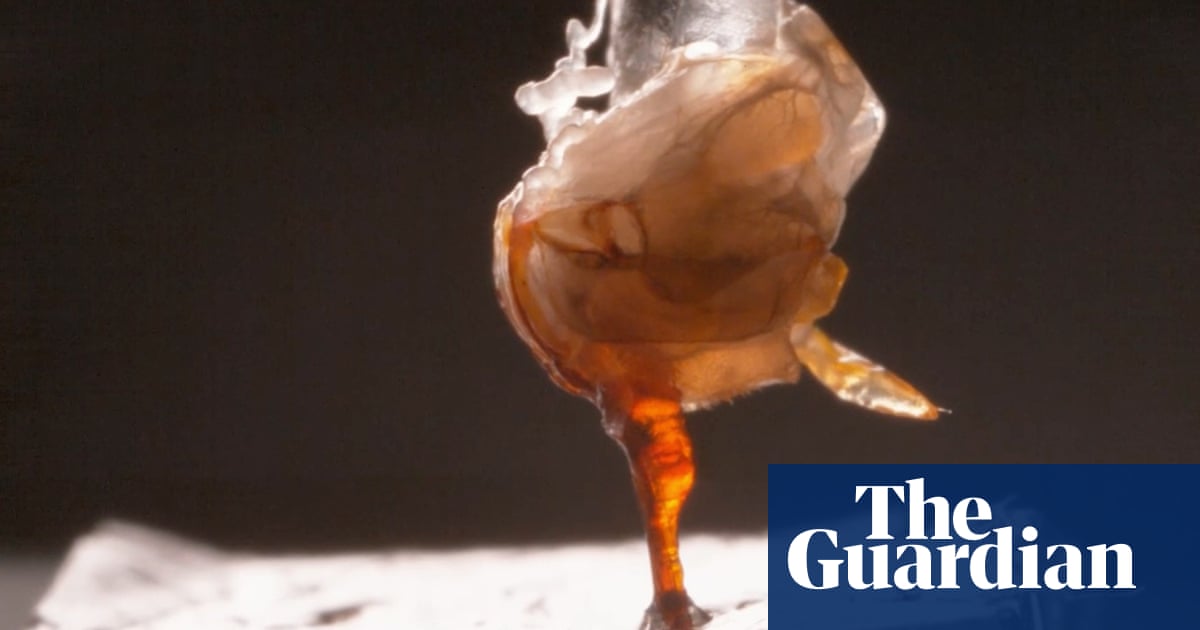
A honeybee’s detached stinger can keep pumping venom after it separates from the insect’s body.
Researchers from Macquarie University filmed the process using high-speed video.
The stinger is about two millimetres long.
The team placed detached stingers against a clear gel that mimics human skin.
The footage captured a previously unknown process that allows the stinger to pump venom.
The findings show that venom delivery can continue even after the stinger is no longer attached to the bee.

High-speed footage shows that a honeybee’s detached stinger can continue pumping venom.
Researchers from Macquarie University detached stingers and filmed them pumping venom into a clear gel.
The gel was used to mimic human skin.
The stinger is two millimetres long.
The footage captures a process described as previously unknown.
- Who
- Researchers from Macquarie University filmed the stingers.
- What
- Footage shows a detached honeybee stinger continuing to pump venom.
- When
- Not stated.
- Where
- Not stated.
- Why
- The researchers used clear gel to mimic human skin as a target.
This story does not have two clearly opposing sides.
This story does not have a timeline yet.
- Stinger length
- Two millimetres
- Researchers
- Macquarie University
- Test material
- Clear gel mimicking human skin
- Method
- Researchers detached the stingers and filmed them pumping venom
Sources
Related news

UK supermarket suppliers face concentrated climate risks, analysis finds
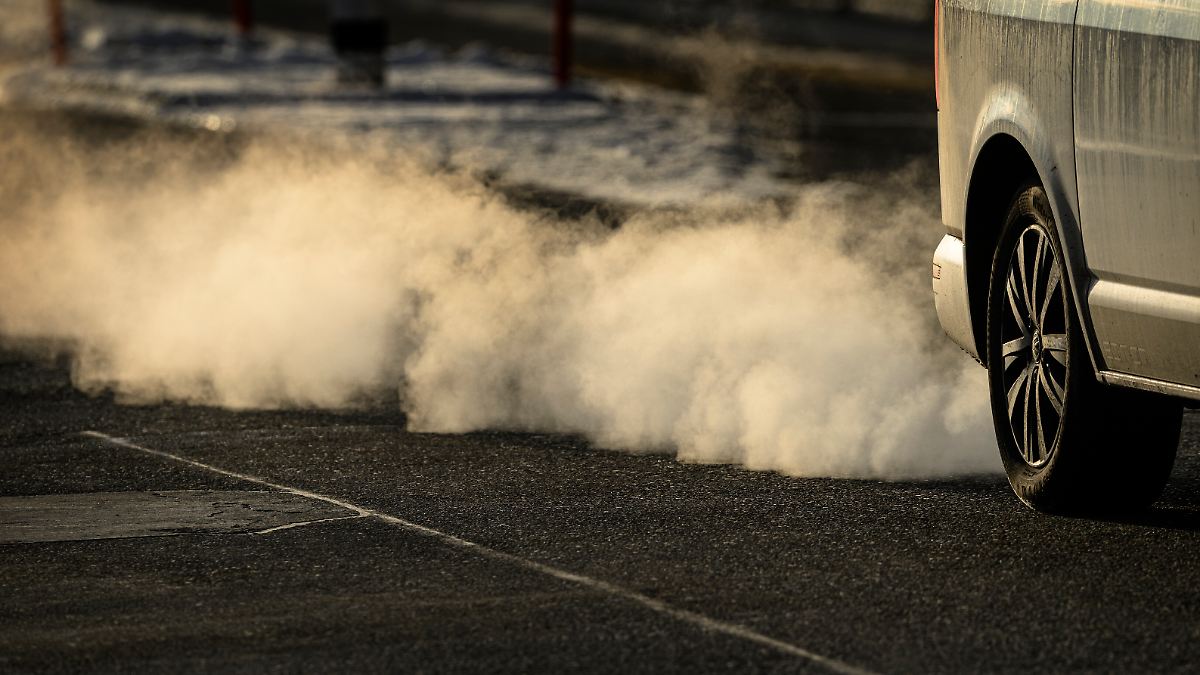
Vehicle pollution makes it harder for pollinators to find flowers

Moderate rain reported in parts of Riyadh region
Dust from Syria reduces visibility and air quality in Hatay

Mostly stable weather forecast across Spain, with scattered light rain
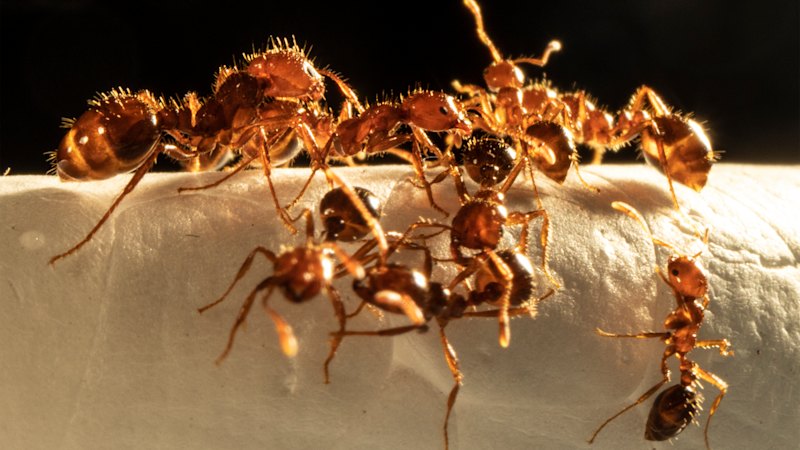
Fire ant nest found at logistics centre in Sydney’s inner west

Astrophysical evidence points to dark matter, but its nature remains unknown

Stink bug outbreak could have prolonged effects

Taiwan works to revive Shenkeng tea farming as climate risks grow

France’s greenhouse-gas emissions expected to fall 2.8% in 2026

UK seafood recipes narrowed to five popular species, study finds
