Business · Energy & Commodities · 10 hrs ago
Governments seek to keep Dutch refineries producing amid fuel price rises
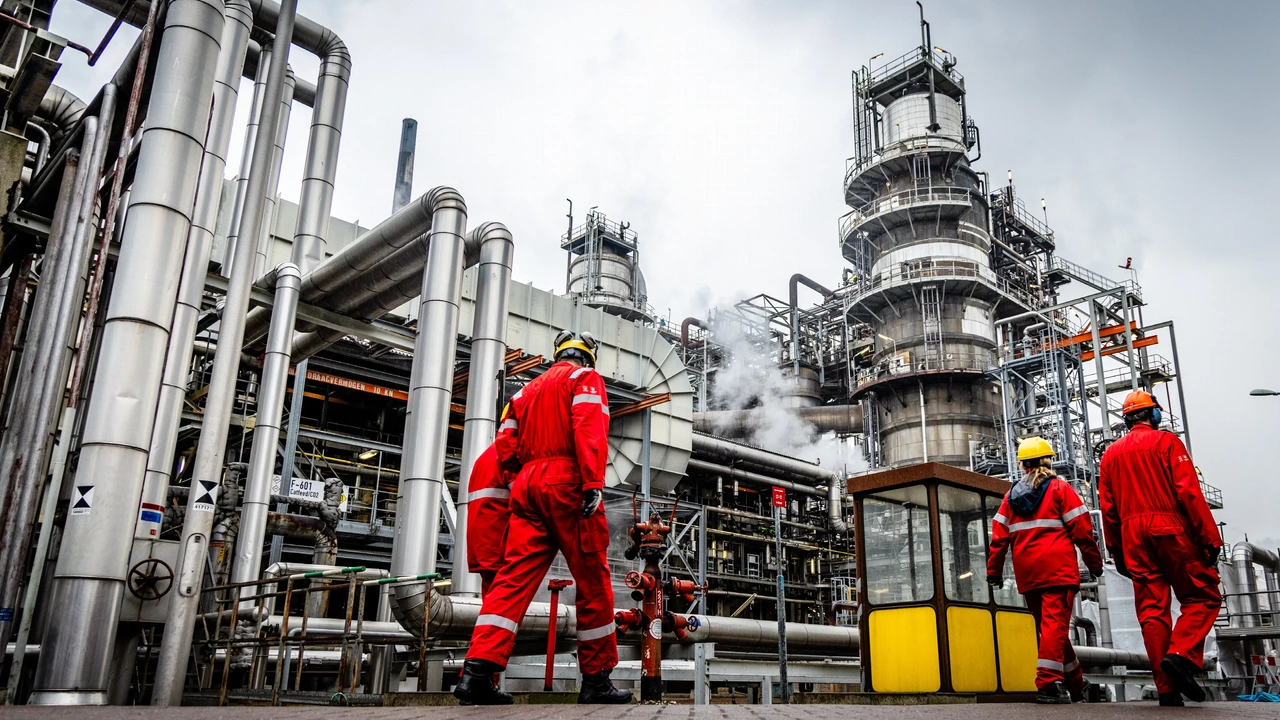
Refineries in Rotterdam and Vlissingen produce petrol, diesel and jet fuel for Europe.
High prices and concerns about a diesel shortage have made governments more focused on keeping that production available.
Europe relies partly on imports of diesel and jet fuel, and the war in the Middle East has pushed up prices.
The European Commission plans a strategic dialogue on the future of European refineries, aiming to reduce costs and maintain supplies, including for defence.
Dutch refineries face higher production costs than facilities in some other parts of the world, including costs linked to carbon permits and electricity.
The Dutch government must balance keeping refineries running in the near term with reducing their emissions and developing alternatives such as green hydrogen and biofuels.
Climate Minister Stientje van Veldhoven is due to present plans for the future of refining in the Netherlands next week.

Governments want Dutch refineries to keep producing as fuel prices rise and concerns grow about diesel shortages.
The refineries in Rotterdam and Vlissingen supply petrol, diesel and kerosene to the European market.
The European Union relies partly on imports for diesel and kerosene, and the European Commission has announced a strategic dialogue on refineries.
The Dutch government faces the challenge of maintaining production while reducing emissions and developing sustainable alternatives.
- Who
- The Dutch government and the European Commission are seeking to maintain refinery production. Dutch refineries include those operated by Shell, BP and ExxonMobil, and Zeeland Refinery.
- What
- Governments want to prevent refinery capacity from falling faster than demand for oil products.
- When
- The article was published on 11 October 2026. The Dutch climate minister was due to present plans the following week.
- Where
- The Netherlands, including refineries in Rotterdam and Vlissingen.
- Why
- Fuel prices are high and Europe partly depends on imports of diesel and kerosene. Governments also want adequate supplies, including for defence.
This story does not have two clearly opposing sides.
Het doel is om de kosten te verlagen en genoeg voorraden te hebben, ook voor defensie.
Shell produced its first synthetic kerosene in its laboratory for a KLM flight to Madrid.
Shell cancelled construction of a bio-refinery for sustainable diesel and kerosene after investing more than half a billion euros.
Dutch refineries produced somewhat more kerosene because of shortages in aviation.
European Commission president Ursula von der Leyen announced a strategic dialogue on European refineries.
Dutch climate minister Stientje van Veldhoven was due to present plans for the future of refining in the Netherlands.
- Refinery locations
- Rotterdam and Vlissingen
- Major Rotterdam refinery
- Shell’s Pernis refinery processes more than 400,000 barrels of crude oil per day
- Neste production
- Production on the Tweede Maasvlakte is being doubled to 2.7 million tonnes per year
- Planned Dutch policy announcement
- Climate minister Stientje van Veldhoven was due to present plans the week after 11 October 2026
- European Commission initiative
- A strategic dialogue on refineries in Europe
Sources
Related news
Batavus, KOGA and Babboe sold to Singaporean investor Dutech
Court rejects investors’ request for investigation into Philips sleep apnea affair

Dutch central bank president again calls for ending mortgage tax relief
Dutch petrol price hits new record, matching diesel

Dutch industrial production rises 12% in August
AI agents could replace staff at small and medium-sized businesses

Electricity network tariffs are set to change

Approval given for €2.6 billion pill factory

Amsterdam Court Rejects Investor Request to Investigate Philips Recall
ASN Bank could be sold or listed early next year
High taxes widen grocery price gap across Dutch borders