Business · Markets · 1 day ago
Amsterdam Court Rejects Investor Request to Investigate Philips Recall

An Amsterdam court has rejected a request by Dutch investors and other institutional investors to investigate Philips’ handling of a 2021 recall.
The recall covered about 3.5 million sleep apnea and ventilator devices made by Philips’ US subsidiary, Respironics.
Polyester-based foam inside the machines could break down over time, potentially exposing users to toxic or cancer-causing particles.
The investors argued that Philips identified and addressed the problems too late and that its board knew about them earlier than the company disclosed.
The court found no basis to conclude that Philips’ boards received reliable information about health risks too late, should have acted sooner, or communicated misleadingly with investors.
It did not decide whether Respironics made errors or whether Philips is liable for investors’ losses.
Philips welcomed the decision, which follows a $1.1 billion US settlement in 2024 over lawsuits related to the recall.

An Amsterdam court rejected investors’ request for an investigation into Philips’ handling of its 2021 recall of sleep apnea devices.
The court found no basis to justify a probe into events surrounding the recall.
Investors argued that problems with the devices were identified and addressed too late and that Philips’ board knew about them earlier than disclosed.
The court said reliable research data indicating health risks from the devices’ foam became available only in early 2021.
The ruling did not decide whether errors were made at Philips’ Respironics subsidiary or whether investors were owed damages.
- Who
- The Enterprise Chamber of the Amsterdam Court of Appeal rejected a request by Dutch investors’ association VEB and several institutional investors.
- What
- The court denied their request for an investigation into Philips’ handling of the 2021 recall.
- When
- The ruling was issued on Saturday, October 10, 2026.
- Where
- Amsterdam, the Netherlands.
- Why
- The court found no basis for an investigation, saying reliable research data on health risks became available only in early 2021.
VEB and institutional investors
Philips
Timing of response
VEB and institutional investors
Investors argued that shortcomings in Philips’ internal systems meant the device problems were identified and addressed too late.
Philips
Philips welcomed the ruling, which found no basis to justify an investigation into the events surrounding the recall.
Board knowledge and oversight
VEB and institutional investors
Investors suggested Philips’ board knew about problems at Respironics earlier than the company first disclosed them.
Philips
The court said there were no indications that Philips’ executive or supervisory boards received reliable health-risk information too late, or that the supervisory board exercised insufficient oversight.
There is also no reason to assume that Philips ought to have intervened at Respironics earlier, or that the Supervisory Board exercised insufficient oversight,
Philips launched a recall of sleep apnea and ventilator devices over concerns about degrading sound-dampening foam.
Reliable research data indicating health risks associated with the foam became available, according to the court.
Philips agreed to a $1.1 billion US settlement resolving class action lawsuits related to the recall.
The Amsterdam court rejected investors’ request for an investigation.
- Devices recalled
- Roughly 3.5 million breathing machines
- Recall year
- 2021
- Foam material
- Polyester-based sound-dampening foam, known as PE-PUR
- US settlement
- $1.1 billion in 2024
- Court
- Enterprise Chamber of the Amsterdam Court of Appeal
Sources
Related news

Batavus, KOGA and Babboe sold to Singaporean investor Dutech
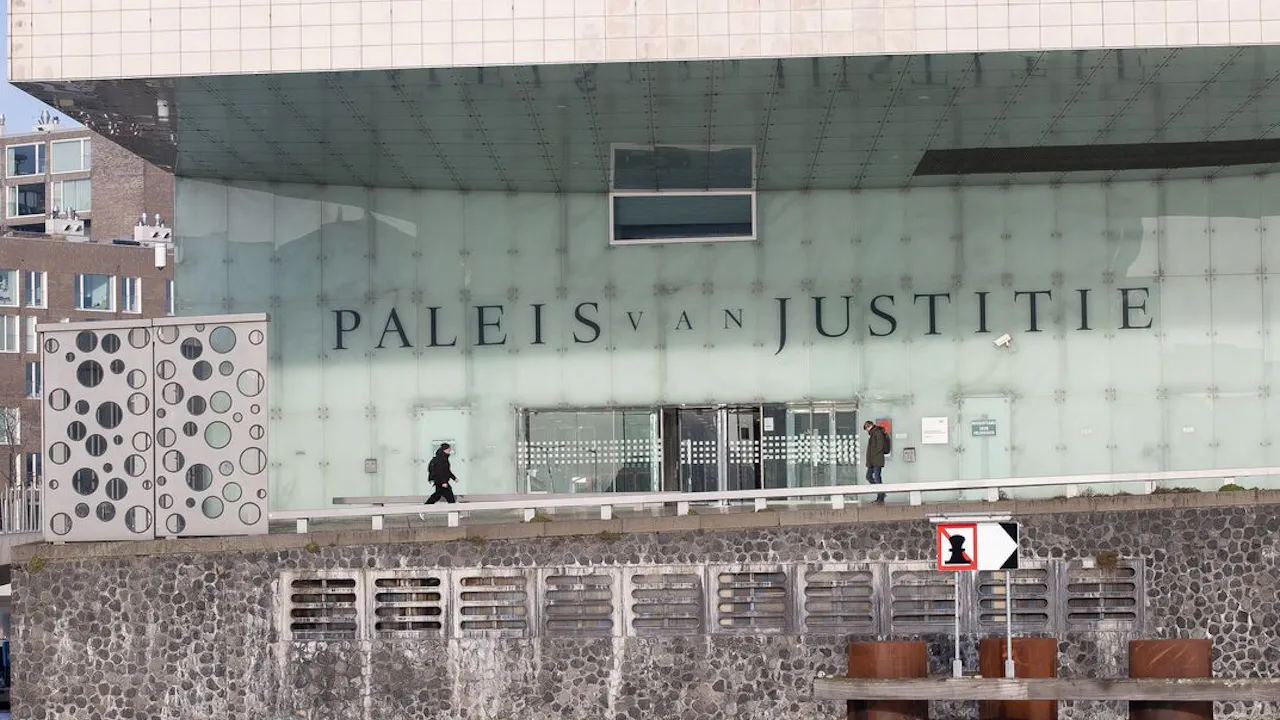
Court rejects investors’ request for investigation into Philips sleep apnea affair

Dutch central bank president again calls for ending mortgage tax relief

Dutch petrol price hits new record, matching diesel

Dutch industrial production rises 12% in August
Governments seek to keep Dutch refineries producing amid fuel price rises
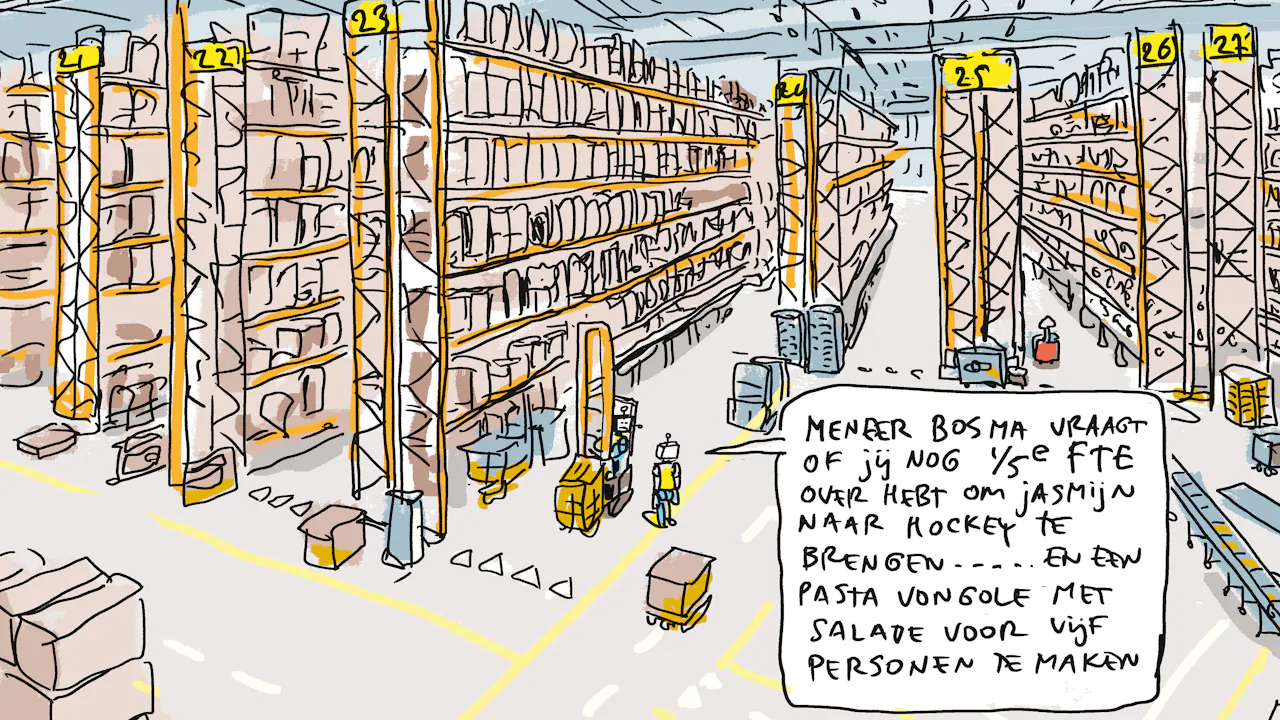
AI agents could replace staff at small and medium-sized businesses

Electricity network tariffs are set to change

Approval given for €2.6 billion pill factory
ASN Bank could be sold or listed early next year

High taxes widen grocery price gap across Dutch borders