Science & Tech · Science & Environment · 2 hrs ago
Researchers work to estimate Indigenous population of the Americas in 1492
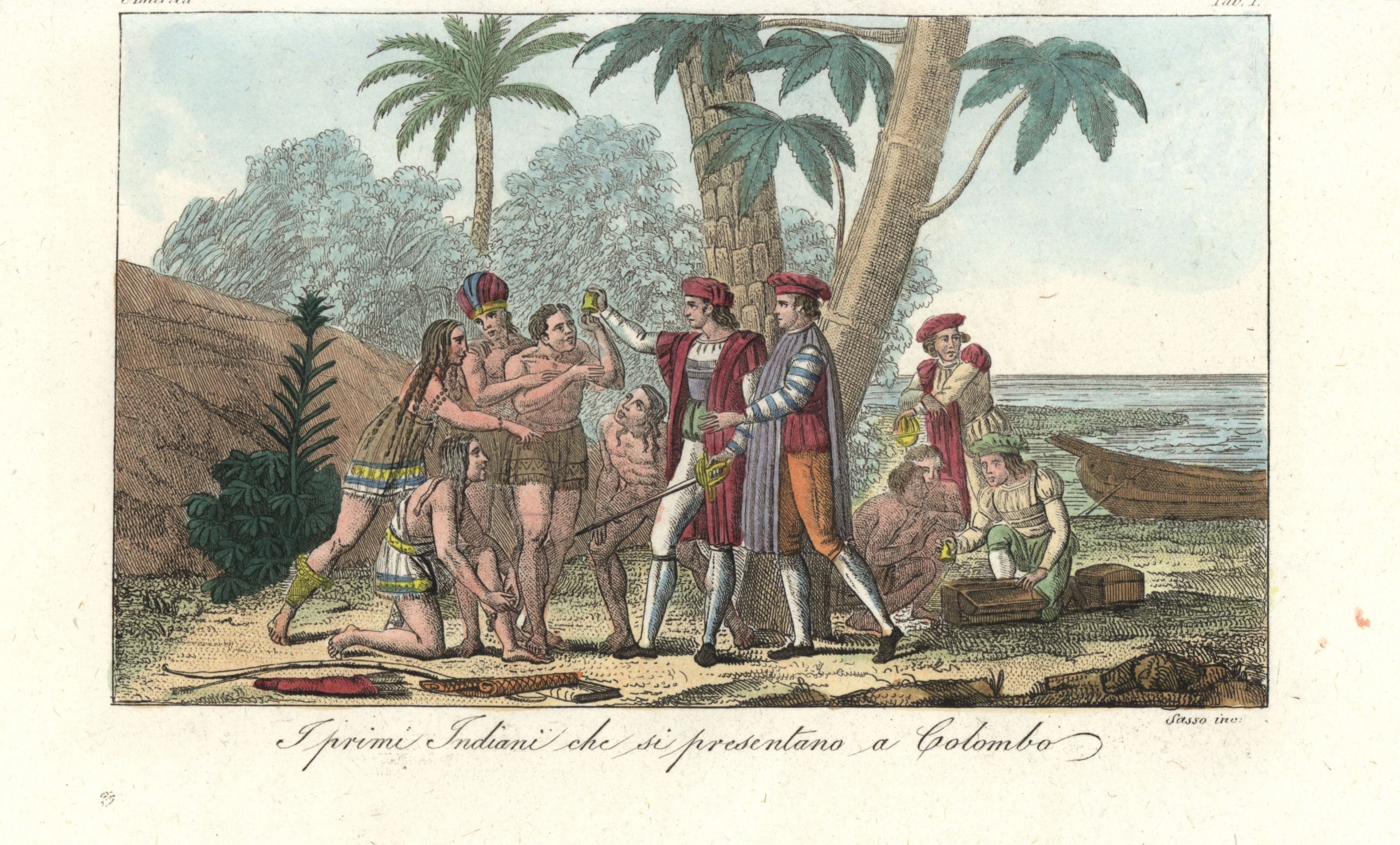
Researchers are working to establish how many Indigenous people lived in the Americas when Christopher Columbus arrived in 1492.
Columbus first encountered Indigenous Lucayans on the Bahamian island now called San Salvador.
He wrote that large numbers of people greeted him, traded with him and told him about other groups on nearby islands.
In the decades after his arrival, Indigenous people across the Americas suffered a rapid population decline.
Epidemic disease, warfare and enslavement all contributed to that loss.
A clearer estimate of the population at the time would help show the scale of the change that followed.

Researchers are beginning to estimate how many Indigenous people lived in the Americas when Columbus arrived.
Columbus made landfall on Oct. 12, 1492, and encountered Indigenous Lucayans on the Bahamian island now called San Salvador.
He wrote in his diary about “great multitudes of men” who greeted and bartered with him.
Within a few decades, epidemic disease, warfare and enslavement had caused a rapid decline in the Indigenous population.
- Who
- Researchers are working to estimate the Indigenous population of the Americas.
- What
- They are trying to establish how many Indigenous people lived there when Columbus arrived.
- When
- In 1492, when Columbus arrived. The research date is not stated.
- Where
- The Americas, including the Bahamian island now called San Salvador.
- Why
- Not stated
This story does not have two clearly opposing sides.
great multitudes of men
Great Dying
Columbus made landfall in the Americas and encountered Indigenous Lucayans on San Salvador.
Epidemic disease, warfare and enslavement led to a rapid decline in the Indigenous population.
- Arrival date
- Oct. 12, 1492
- Island
- San Salvador, in the Bahamas
- People encountered
- Indigenous Lucayans
- Population decline
- Epidemic disease, warfare and enslavement
Sources
Related news
Haze covers Istanbul as air quality reaches sensitive levels in two districts
Zavodovski Island loses largest penguin colony title after chinstrap decline

Study proposes roadmap to strengthen wildlife disease monitoring worldwide
Brazil issues storm alerts across 12 states through Monday night

First Asia-Pacific Earth Science and Remote Sensing Conference opens in Qingdao
Young people seek new opportunities in Italy’s hills and mountains

Indian Navy inducts third shallow-water anti-submarine craft

Turkish students win record 78 medals at international science olympiads
Landscape damage may be driving invasive plants across India
Hurricane Simon and other weather systems bring heavy rain to Mexico
Thunderstorms forecast in nine Saudi regions, with rain possible in Riyadh and Eastern Province