Business · Economy · 2 hrs ago
IMF oil-price scenario could push Australian petrol up 30 cents a litre
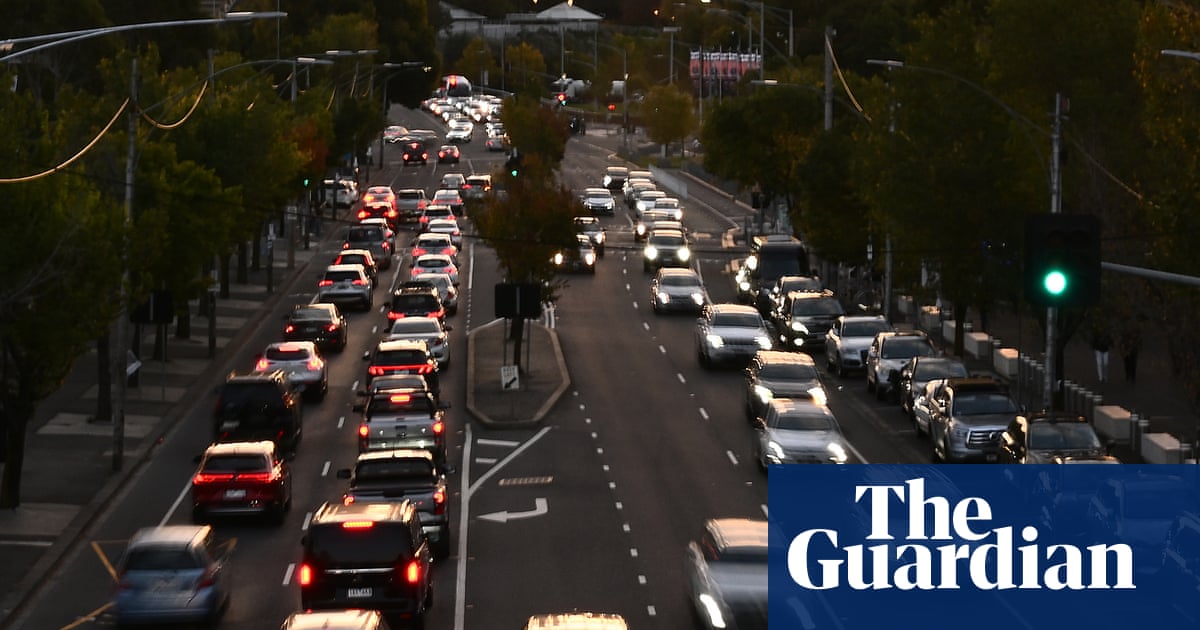
The IMF has modelled a scenario in which a worsening Middle East conflict keeps oil prices high into 2027.
In that scenario, oil reaches US$130 a barrel, up from more than US$106 at the time described.
Economists say the increase could add about 30 cents a litre to Australian petrol prices, which have already topped $2.40 in major east coast cities.
That could push petrol towards $2.70 a litre and make it harder for households to manage living costs.
Higher fuel prices could also keep inflation above the Reserve Bank’s forecast of 3.6% by the end of the year.
The RBA has already raised interest rates four times, and its board has noted that higher oil prices add to global cost pressures.
Economists differ on whether another rate rise would be needed, and the oil-price increase remains a hypothetical scenario.

An International Monetary Fund scenario of oil reaching US$130 a barrel could push Australian petrol prices up by about 30 cents a litre, economists say.
The scenario assumes a worsening Middle East conflict disrupts shipping and oil infrastructure into 2027.
Unleaded petrol in major east coast cities has recently risen above $2.40 a litre.
Economists said the price shock could lift inflation and increase pressure on the Reserve Bank of Australia to raise interest rates.
They differed on whether higher fuel costs would require a further rate response from the central bank.
- Who
- Australian motorists and households could face higher costs; economists discussed the potential effects.
- What
- An IMF oil-price scenario could raise Australian petrol prices by about 30 cents a litre and add to inflation.
- When
- The scenario has oil at US$130 a barrel from the fourth quarter of 2026 to the first quarter of 2027.
- Where
- Australia, with the scenario involving disruption around the Middle East and the straits of Hormuz and Bab el-Mandeb.
- Why
- The IMF scenario assumes a prolonged conflict disrupts commercial shipping and damages regional oil infrastructure, delaying the recovery in oil supply.
Economists favouring a Reserve Bank response
Johnathan McMenamin
Interest-rate response
Economists favouring a Reserve Bank response
Jonathan Kearns said central banks would have to respond to higher fuel costs with higher interest rates.
Johnathan McMenamin
McMenamin was less convinced the RBA would need to raise rates, saying it had mostly responded to domestic underlying price pressures.
The RBA delivered a fourth interest rate hike.
Minutes from the RBA meeting were released and recorded board members’ discussion of the Middle East conflict and higher oil prices.
The IMF scenario has oil prices reaching US$130 a barrel.
- Potential petrol increase
- About 30 cents a litre
- Oil-price scenario
- US$130 a barrel
- Current east coast unleaded prices
- Above $2.40 a litre
- Scenario period
- Fourth quarter of 2026 to first quarter of 2027
- McMenamin’s inflation forecast
- 4.2% in the year to September
What people are saying
the reality
The question is how much higher
the conflict persists through the end of June 2027, keeping the straits of Hormuz and Bab el-Mandeb largely closed to commercial shipping, extending damages to oil infrastructures in the region, and delaying the recovery in oil supply to the end of 2027
With limited scope for further inventory drawdown, oil prices reach $US130 from the fourth quarter of 2026 to the first quarter of 2027.
Sources
Related news
Australia’s watchdog sues 12 egg suppliers over alleged cartel conduct

Pioneer hires former Barrick team to guide exploration in Argentina

Economist Harry Dent predicts sharp falls in Australian property and shares

Latrobe Magnesium CEO discusses the company’s plans and the magnesium market

CEOs for Gender Equity secures first grant from Minderoo Foundation

AuKing signs conditional deal to earn up to 75% of Greenland minerals project

Skill Hire opts for a centralised location in Bunbury

No details available about retirement changes
Perth rental vacancy rate falls to a two-year low

ASX falls as China lithium supply news weighs on miners and oil prices rise

Identifai Genetics lists on the ASX after raising $10 million