3 hrs ago
Calcutta’s Public Spaces Caught Between Compassion and Encroachment
This opinion article says many public spaces in Calcutta are no longer easy for everyone to use.
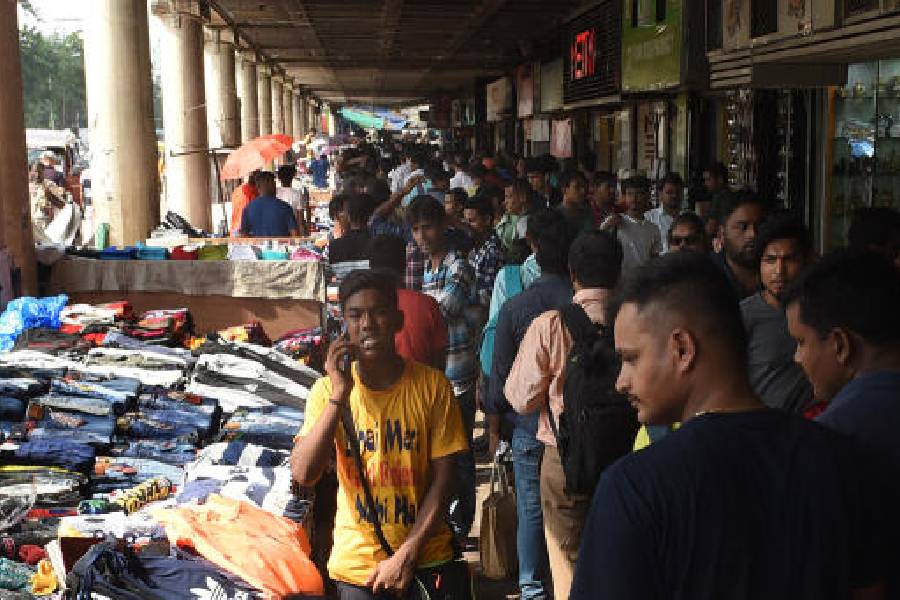
Pavements have been occupied by hawkers and street dwellers, while parts of parks have been given to private groups.
The author says some people believe street residents should be treated with compassion and offered new homes before being moved.
Others want pavements and parks cleared so pedestrians and residents can use them.
The article says political groups have sometimes resisted efforts to remove encroachments.
It also describes allegations that politically connected property developers have pressured or cheated residents.
The author believes these problems have weakened trust in contracts, property rights and law enforcement.
The article calls for stronger rules while preserving compassion for people living in difficult conditions.

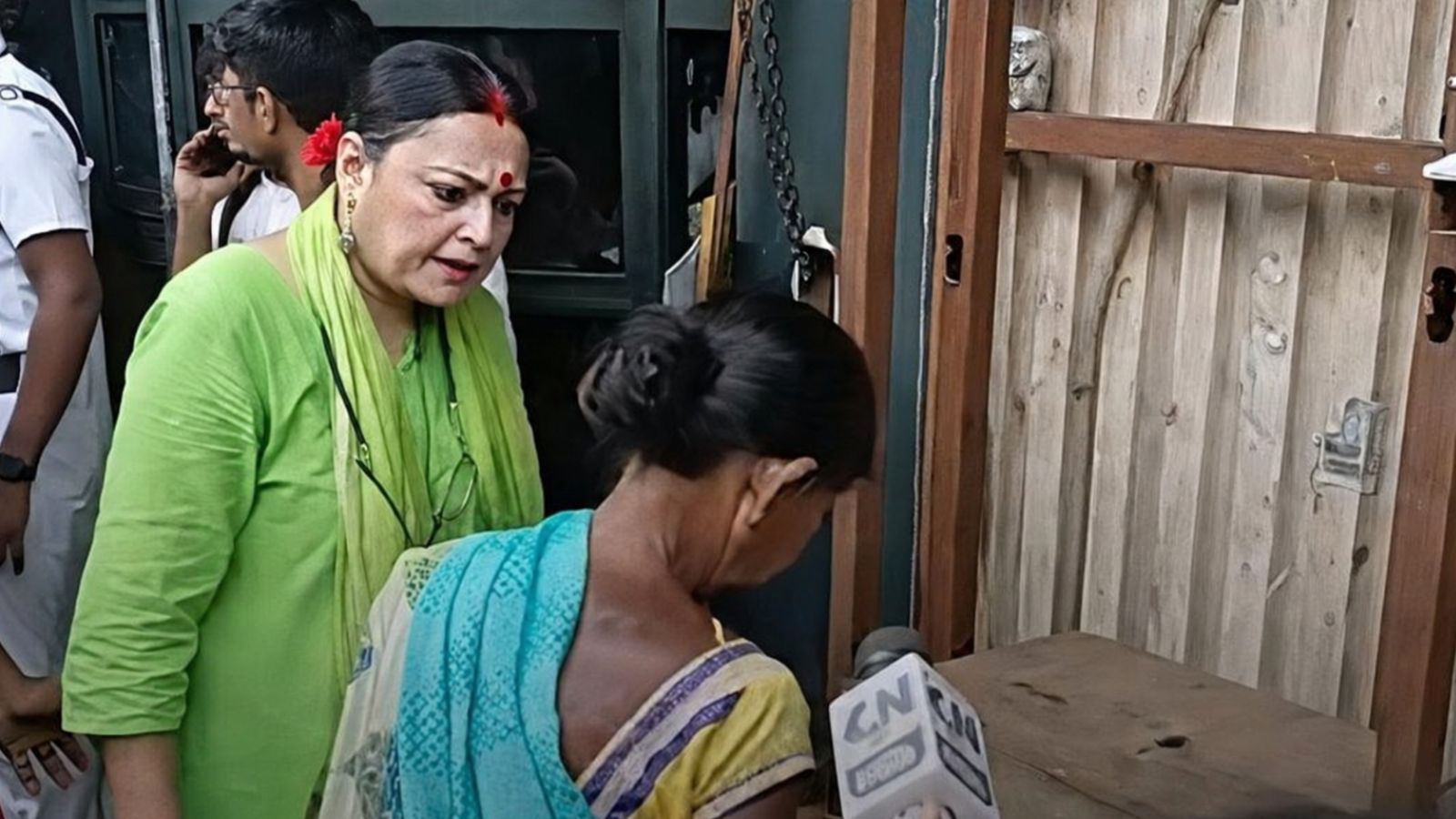
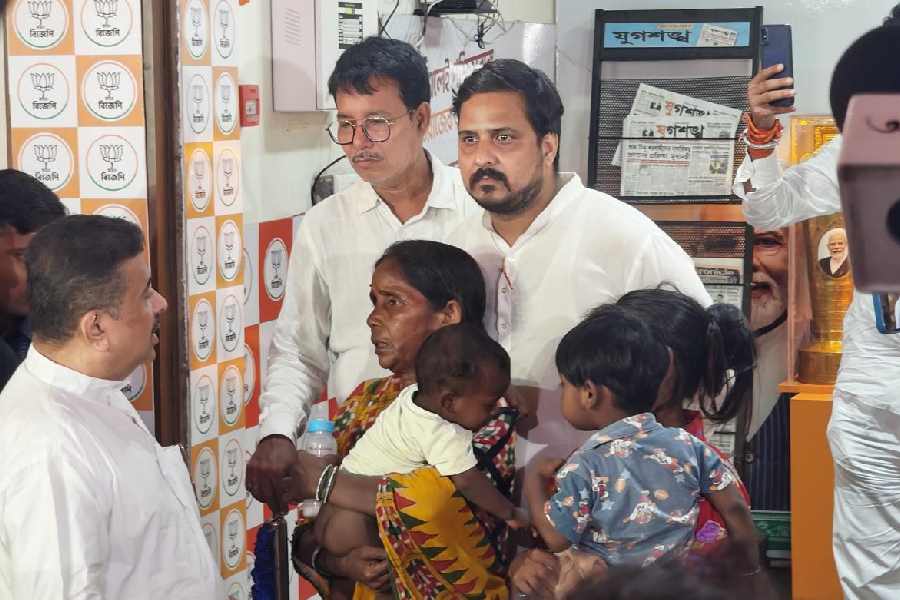
A minister’s criticism of a pavement dweller cooking for her children triggered a media backlash and a relocation offer from the chief minister.
The article argues that hawker encroachments have reduced pedestrian access and pushed some shoppers toward malls and online commerce.
Attempts by the Bharatiya Janata Party government to clear major roads reportedly faced resistance from the Left and sections of the Trinamool Congress.
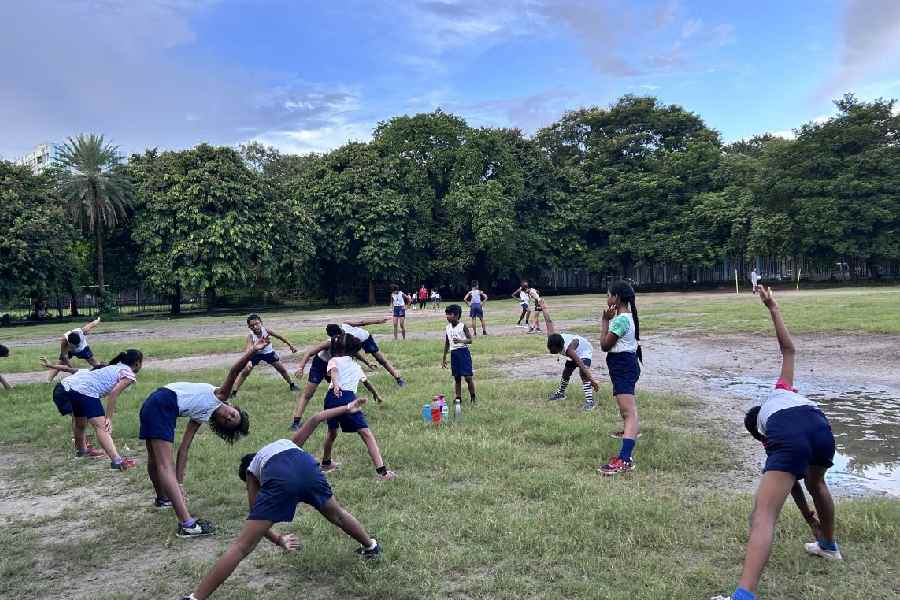
The article says public parks have increasingly been allocated to private academies, institutions and clubs, reducing open recreational space.
The author links public-space encroachment, politically connected real-estate operators and weakened property rights to West Bengal’s economic decline.
- Who
- West Bengal’s government, pavement dwellers, hawkers, residents, political groups, private institutions and real-estate operators are central to the article; the piece was written by Swapan Dasgupta.
- What
- The article examines the alleged capture and commercial use of Calcutta’s pavements, parks and properties, and argues for restoring civic rules and public access.
- Where
- Calcutta and its adjoining urban areas in West Bengal, including Deshapriya Park, Vivekananda Park and Rabindra Sarovar Stadium.
- When
- The article discusses developments over roughly five decades, with particular criticism of the past decade and the last five years of the Trinamool Congress government.
- Why
- The author attributes the decline of public spaces and business confidence to political resistance, informal-sector expansion, private encroachment and politically connected real-estate practices.
Compassion and Livelihoods
Clear Rules and Public Access
Removing pavement dwellers
Compassion and Livelihoods
People living on pavements should not be treated without compassion; the article presents rehabilitation as an appropriate condition for relocation.
Clear Rules and Public Access
Public thoroughfares should remain available to pedestrians, and encroachments should not be allowed to become permanent.
Hawker clearances
Compassion and Livelihoods
The Left, remnants of the Trinamool Congress regime and supportive media sections resisted efforts to remove hawkers from major roads, according to the article.
Clear Rules and Public Access
The Bharatiya Janata Party government sought to remove hawkers from major roads because encroachments were harming pedestrian access and established shopkeepers.
Use of public parks
Compassion and Livelihoods
Private academies, institutions and clubs may be defended as community or sporting users of park facilities, although the article questions their access arrangements.
Clear Rules and Public Access
Parks should primarily remain open recreational spaces for residents, children and sports, rather than being converted to steel, concrete or restricted private facilities.
Key facts
- Immediate controversy
- A West Bengal minister criticized a pavement dweller for boiling milk for her children on a public thoroughfare.
- Government response
- The chief minister offered to relocate the pavement dweller to a more settled dwelling.
- Pedestrian access
- The article says hawkers have occupied pavements adjoining major roads, reducing clear space for pedestrians.
- Public parks
- Neighbourhoods have reportedly complained that sections of parks were contracted to private academies and institutions.
- Real-estate allegations
- The author describes complaints of harassment, intimidation, short-changing and cheating by real-estate operators and political intermediaries.
- Economic consequence
- The article links weakened property rights, contracts and law enforcement to the perception that West Bengal is difficult for business.
Sources
Related news
Agnimitra Paul Defends Park Street Footpath Action Amid Outrage
Kolkata TVC mulls deputation to CM over anti-encroachment drive
Bengal Minister Defends Pavement Eviction Remarks Amid Political Backlash

Park Street Footpath Resident Receives Shelter Assurance From CM Adhikari

Kolkata Hawker Evictions Renew Livelihood Versus Public Access Debate
Suvendu Adhikari Promises Shelter After Kolkata Pavement Milk Row

Bhaichung Bhutia Champions Fitness Ahead of Kolkata 25K
Kolkata 25K: New Route for 10th Year

Kolkata’s Weekend Activity Club Unites Strangers
KMDA Signs 10-Year Rent Agreement with Six Rabindra Sarobar Clubs