

8 hrs ago
US Meta Settlement Highlights India’s Need for Child Protection
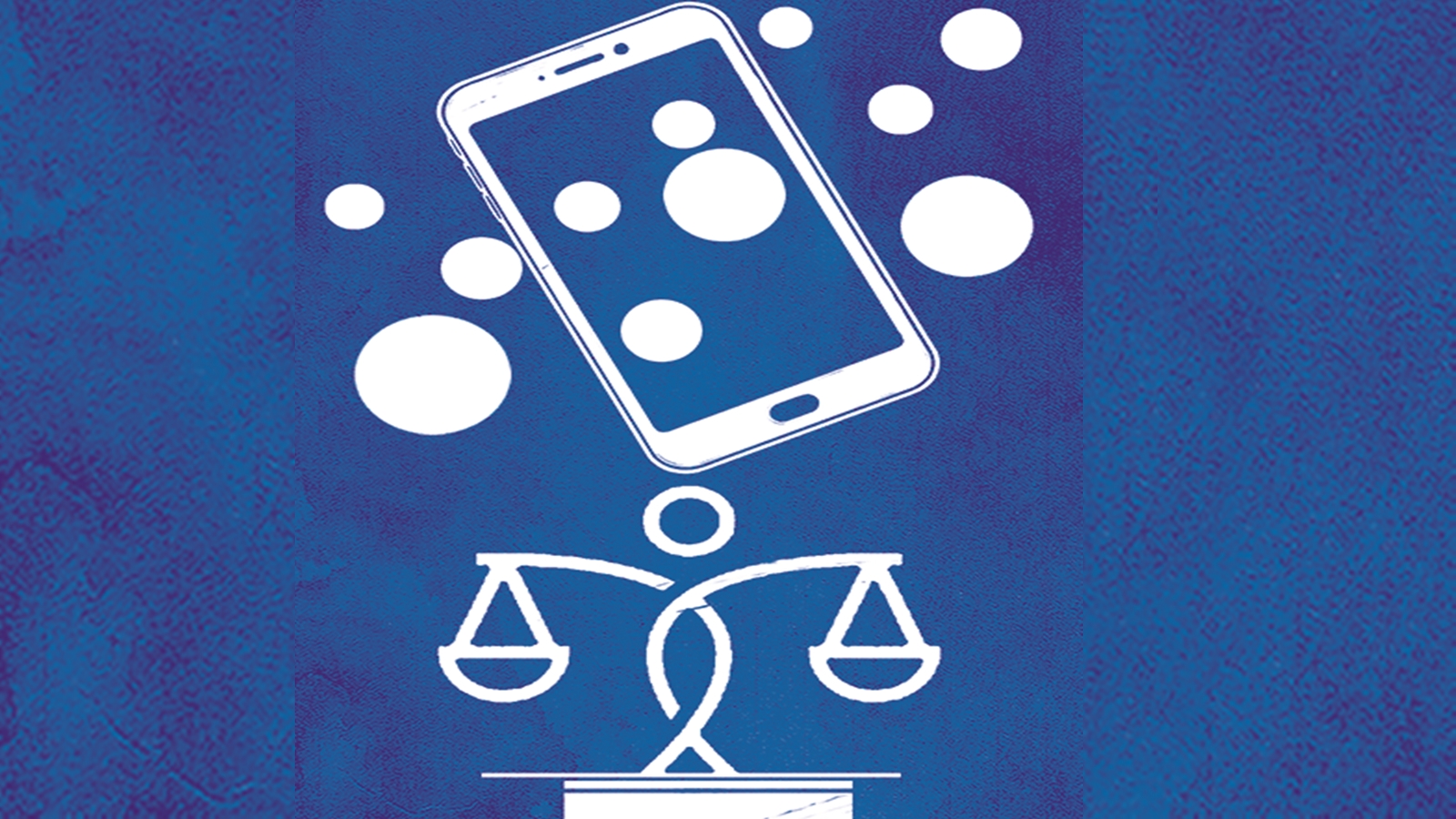
Meta is a company that runs Facebook and Instagram.
US officials accused it of exposing children to harmful experiences.
Meta agreed to pay up to $17.1 billion to settle those claims, although it denies wrongdoing.
The proposed deal would add rules such as time limits and fewer nighttime notifications for young users.
It would also require stronger age checks and independent monitoring.
These protections would apply in the United States, not automatically in India.
The article says Indian children use the same platforms but do not have similar court-supervised protections.
It calls on Indian courts, lawmakers and child-protection authorities to investigate and require safer designs.

Meta agreed on August 26 to pay up to $17.1 billion to resolve US child-harm claims.
The proposed settlement includes time limits, nighttime-use restrictions, school-hour notification limits and stronger age assurance for users under 18.
Meta denies wrongdoing, while the settlement subjects its design choices and child-safety practices to court-backed oversight.
The settlement applies to children protected under US law and does not cover India’s estimated 350 million young users.
The article urges Indian authorities to use existing laws, court action and coordinated investigations to compel India-specific safety disclosures.
- Who
- Meta and a bipartisan coalition of attorneys general from the United States, its territories and the District of Columbia; the article also calls on Indian authorities to act.
- What
- Meta agreed to pay up to $17.1 billion to resolve child-harm claims, with proposed safety and oversight requirements for users under 18.
- Where
- The settlement concerns the United States, while the article focuses on protections for users in India.
- When
- August 26; the article does not specify the year.
- Why
- The settlement followed allegations that Meta’s platform designs exposed children to harm, and the article argues India needs comparable accountability and disclosure.
Accountability advocates
Meta’s position and settlement scope
Whether the settlement demonstrates wrongdoing
Accountability advocates
The article argues that the settlement shows voluntary self-regulation is insufficient and that Meta’s design choices should face enforceable accountability.
Meta’s position and settlement scope
Meta denies wrongdoing; the agreement resolves the claims without the article stating that Meta admitted liability.
Protection for Indian children
Accountability advocates
The article says Indian children use the same platforms and recommendation systems as American children and should receive comparable legal protection.
Meta’s position and settlement scope
The described settlement is based on US legal action and protects children through US prosecutors; it does not cover India.
How India should respond
Accountability advocates
The article calls for inquiries, court cases, algorithmic disclosure requirements and coordinated consumer-protection and child-safety suits using existing Indian legal tools.
Meta’s position and settlement scope
The article does not report a specific response from Meta to these proposed Indian actions.
Key facts
- Settlement amount
- Up to $17.1 billion
- Settlement duration
- Payments over 10 years
- Affected US users
- Users under 18 would receive proposed safeguards
- India’s young users
- The article estimates 350 million young users are not covered by the US settlement
- Proposed safeguards
- Default time limits, nighttime-use restrictions, school-hour notification limits, enhanced age assurance and independent compliance oversight
- Meta revenue
- The article states Meta generated $201 billion in revenue in 2025
- US child-safety materials
- The article says 7.5 million materials were under internal review in the United States
Sources
Related news

India Studies Meta’s $17.1 Billion Settlement on Child Safety

Meta Settles Teen Harm Claims as India Faces Regulatory Gap

Meta Faces US Child Safety Trial, Indian Scrutiny Over Moderation

Meta Settlement Limits Features but Avoids Public Trial

Meta settlement adds teen safeguards, but India awaits protections

Meta's US Teen Rules Put India's Age-Verification Debate

HarperCollins India Takes Over Sonia Gandhi Memoir Publication
Hindutva Influencer Recasts Jantar Mantar Assault Claim as Self-Defence

Vijay and Modi Extend Janmashtami Greetings, Urge Love and Dharma
Modi Congratulates Meloni on Italy’s Longest Premiership
CJP Protest Assault Claims Trigger Political Storm and Police Dispute
