

2 hrs ago
How Literature Turned the Cockroach Into a Symbol of Resistance
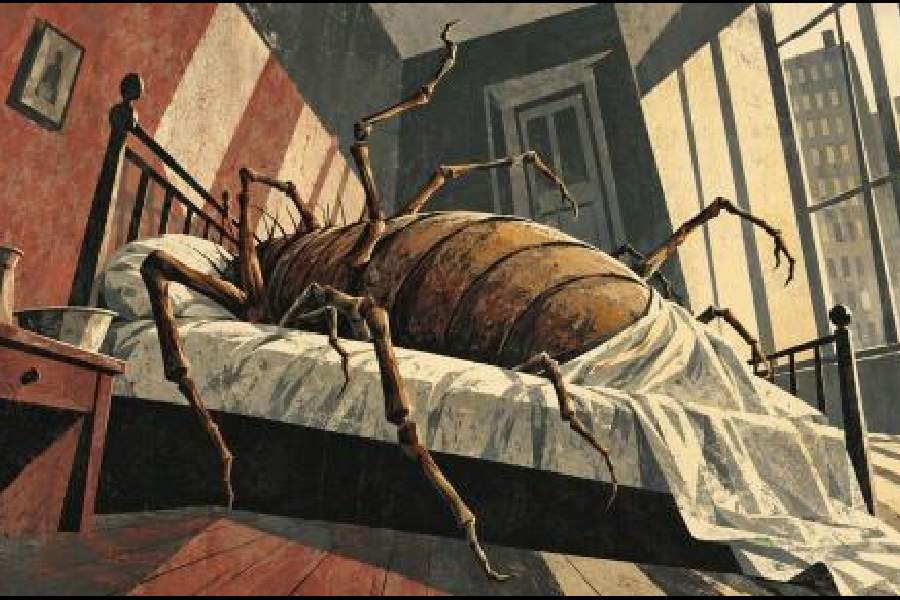
Books can give people powerful words and pictures for talking about difficult problems.
In Kafka’s story, a man changes into an unnamed creature, but many readers imagined it as a cockroach.
The cockroach later became a symbol of disgust, unfair treatment and resistance.
George Orwell’s books gave people phrases such as Big Brother and Thought Police to describe surveillance and government control.
Joseph Heller’s Catch-22 became a way to describe impossible rules.
Other books helped people think differently about slavery, unsafe food and free-market politics.
Margaret Atwood’s The Handmaid’s Tale inspired protesters to wear red robes and white bonnets.
This shows that stories can continue influencing society long after their authors write them.

Kafka’s unnamed vermin in The Metamorphosis became widely associated with the cockroach through illustrations, translations and popular culture.
The cockroach now symbolizes dehumanization, social disgust and resistance in political and internet culture.
Works by George Orwell and Joseph Heller supplied lasting terms for surveillance, state overreach and bureaucratic absurdity.
Uncle Tom’s Cabin and The Jungle helped turn social problems into public moral or regulatory concerns.
The Handmaid’s Tale and Atlas Shrugged continue to shape protest imagery and political movements.
- Who
- Writers including Franz Kafka, George Orwell, Joseph Heller, Harriet Beecher Stowe, Upton Sinclair, Ayn Rand and Margaret Atwood, along with readers, protesters and political movements.
- What
- Literary characters, phrases and images have become public symbols for resistance, dehumanization, surveillance, bureaucracy and social reform.
- Where
- The influence is described across popular culture and politics, including South Korea, the United States, Washington, Buenos Aires, Dublin and Delhi.
- When
- The examples range from The Metamorphosis’s publication in 1915 to contemporary internet culture, political debate and protests.
- Why
- Stories make abstract political and social problems vivid, giving people metaphors and symbols that can persuade, organize and express dissent.
Key facts
- Kafka’s creature
- The Metamorphosis described Gregor Samsa as “monstrous vermin” without identifying the species; readers and illustrators commonly turned it into a cockroach.
- Orwellian vocabulary
- Big Brother, Thought Police, Doublethink and Room 101 entered public language through Nineteen Eighty-Four.
- Catch-22
- Joseph Heller’s military satire became a phrase for an impossible administrative situation.
- Social reform
- The Jungle contributed to public pressure for the Pure Food and Drug Act and the Federal Meat Inspection Act in the United States.
- Political influence
- Atlas Shrugged became an important text for American libertarian and free-market politics.
- Protest imagery
- The Handmaid’s Tale inspired protesters to use scarlet robes and white bonnets, especially in demonstrations over reproductive rights.
Quotes

Upton Sinclair
American author whose novel The Jungle exposed conditions in Chicago’s meatpacking industry
“I aimed at the public’s heart and by accident hit it in the stomach.”
 telegraphindia.com
Sources
Related news
Supreme Court issues notice on plea over cockroach remark memes

Social Media Slang Enriches Language, But Requires Careful Use

How Judicial Words Helped Create the Cockroach Janta Party
Social Media Slang Challenges Grammar Rules And Older Language Standards

AI-Powered Cockroach Janta Party Satirises Chief Justice's Youth Remarks

Letters Debate Dog Breeding, Protest Rights, Literature, and Teaching
US Warns Indian EB-1 Green Cards May Run Out

Indian Families Get Relief as Employment Green Card Queues Tighten

Betancourt Moves From Money-Laundering Probe to Pentagon Oil Deal

Trump Pentagon Shake-Up Debate Intensifies As Iran War Drags
