

2 weeks ago
How Judicial Words Helped Create the Cockroach Janta Party
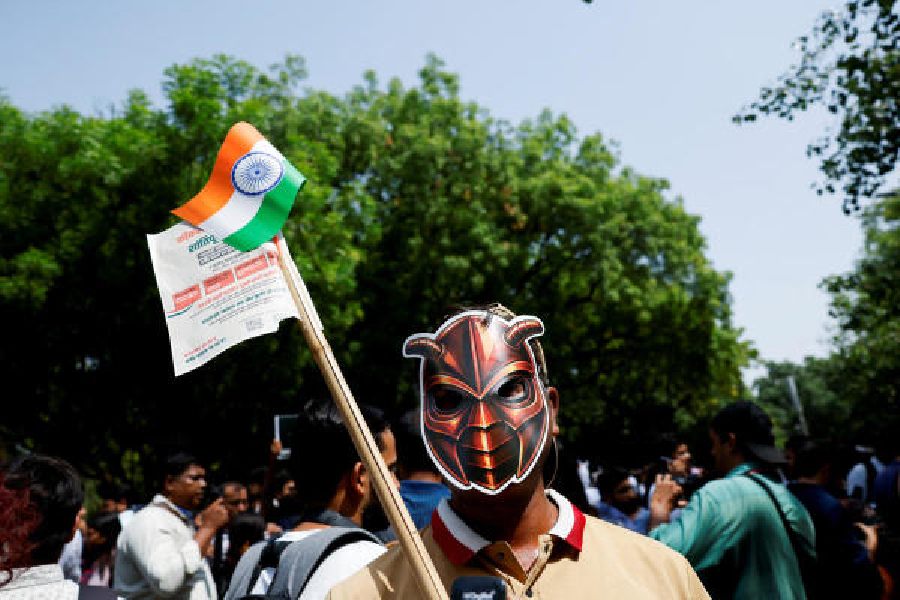
A judge at India’s Supreme Court used harsh words while discussing people accused of using fake law degrees.
Soon afterward, people created a group called the Cockroach Janta Party.
The judge later explained that he was not talking about young people in general.
However, the first comment had already spread widely.
The article says judges’ spoken words can have real effects.
They can affect companies, government decisions and how people understand the law.
It says courts should remain open instead of trying to stop recordings and news coverage.
The writer believes judges should choose their words more carefully and speak mainly through written judgments.

On May 15, CJI Surya Kant called some alleged system attackers “cockroaches” and “parasites” during a contempt hearing.
The remarks prompted the creation of the Cockroach Janta Party, which later became linked to a broader people’s movement.
The CJI clarified that he meant people using forged degrees, not young people generally, but the clarification came after the remark spread.
The article argues that oral judicial observations can influence markets, government action, legal expectations and public opinion.
It opposes restricting court coverage and social-media clips, instead advocating better courtroom reporting and greater judicial restraint.
- Who
- Chief Justice of India Surya Kant, the Supreme Court, and the Cockroach Janta Party are central to the article.
- What
- A judicial remark describing certain people as “cockroaches” and “parasites” helped inspire the creation of the Cockroach Janta Party and prompted debate over judicial speech and court coverage.
- Where
- The remark was made during a Supreme Court hearing involving senior-advocate designations in the Delhi High Court.
- When
- The remark was made on May 15; the party emerged within a day, according to the article.
- Why
- The article says the remark was unnecessary and illustrates how judicial comments can influence public movements, markets, authorities and perceptions of the law.
Open Courts and Judicial Restraint
Restrictions and Institutional Control
Court coverage and clips
Open Courts and Judicial Restraint
The article argues that courts should remain open and that banning cameras, coverage or social-media clips would misread the moment and potentially amplify protests.
Restrictions and Institutional Control
Petitions have reportedly been filed seeking restrictions on court coverage, cameras and social-media clips as a response to the spread of controversial judicial remarks.
Managing oral observations
Open Courts and Judicial Restraint
The article favors professionalising courtroom reporting through accreditation and urges judges to avoid unnecessary or provocative comments.
Restrictions and Institutional Control
Those concerned about the effects of oral remarks may favor institutional restrictions on how courtroom statements are recorded, reported or circulated.
Value of oral remarks
Open Courts and Judicial Restraint
The article acknowledges that oral observations can sometimes restrain authorities, but says they can also create inconsistent expectations and should be treated cautiously.
Restrictions and Institutional Control
A competing view presented in the article is that oral observations are an ordinary part of courtroom dialogue, with judges thinking aloud and testing arguments during hearings.
Key facts
- Speaker
- Chief Justice of India Surya Kant
- Date of remark
- May 15
- Judicial proceeding
- A contempt petition concerning senior advocate designations in the Delhi High Court
- Remark’s stated target
- People who allegedly enter professions using forged degrees
- Movement
- The Cockroach Janta Party reportedly emerged within a day of the remark
- Proposed response
- The article supports courtroom-reporting accreditation and judicial restraint rather than censorship
- Examples of effects
- The article cites impacts on Vodafone Idea’s share price, demolition policy and bail expectations
Sources
Related news

CJI Surya Kant: 'Cockroach' Remarks Misquoted, Misused With Malicious Intent
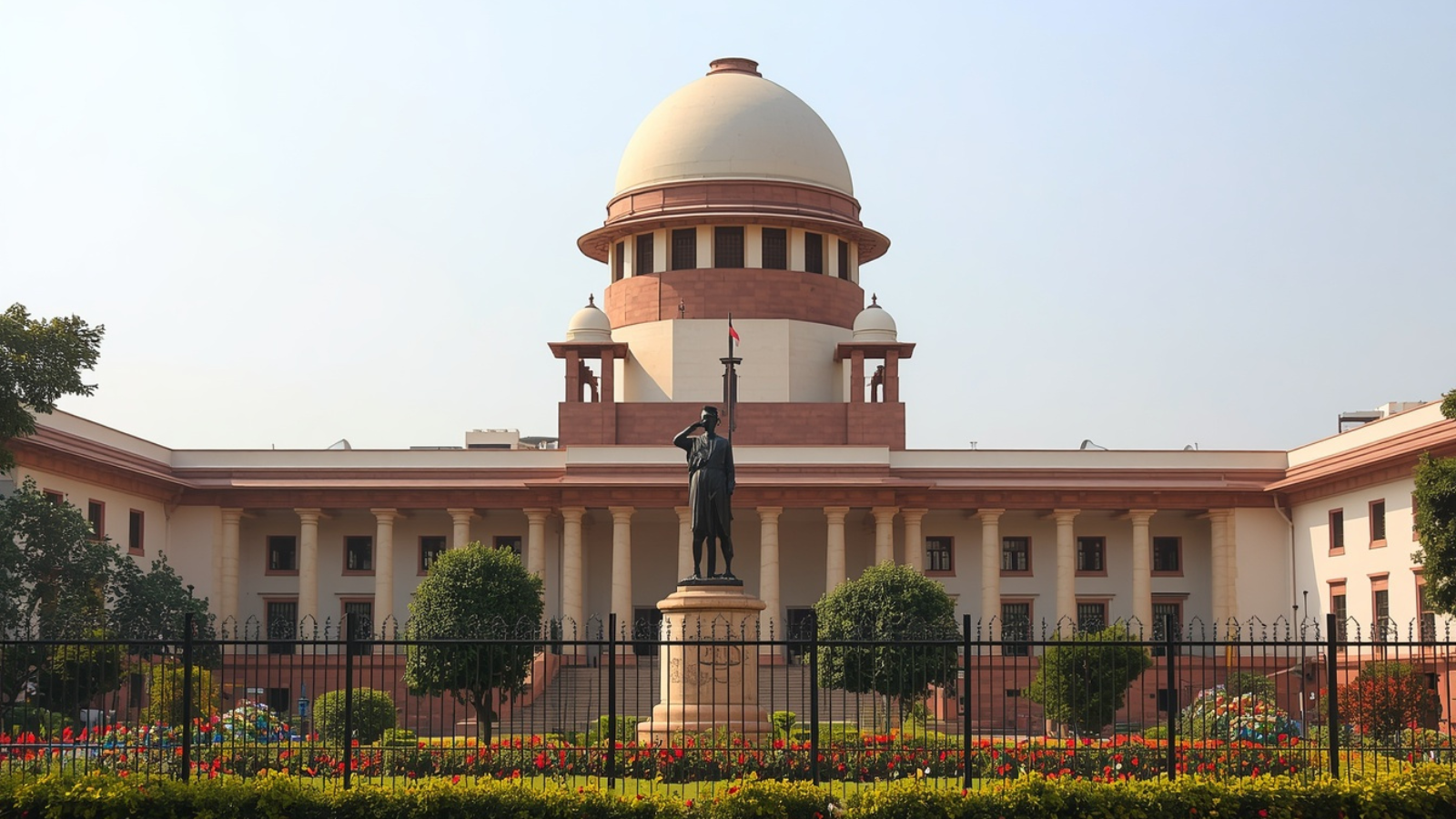
Supreme Court seeks Government reply on CBI probe plea
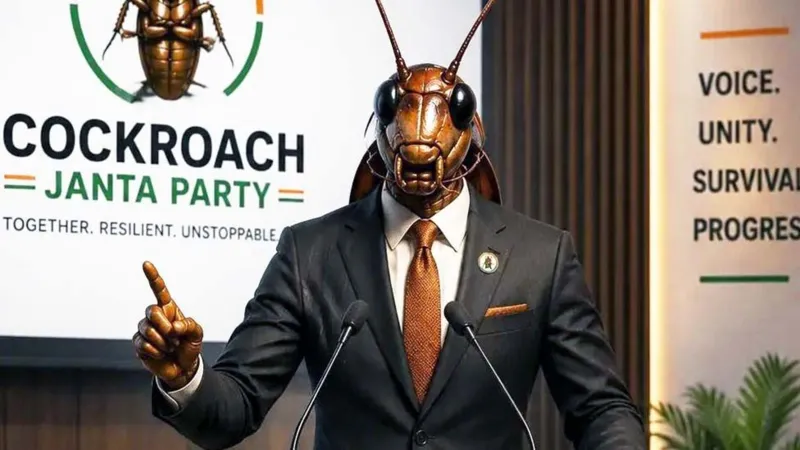
Supreme Court Seeks Response on Probe Into Cockroach Janta Party
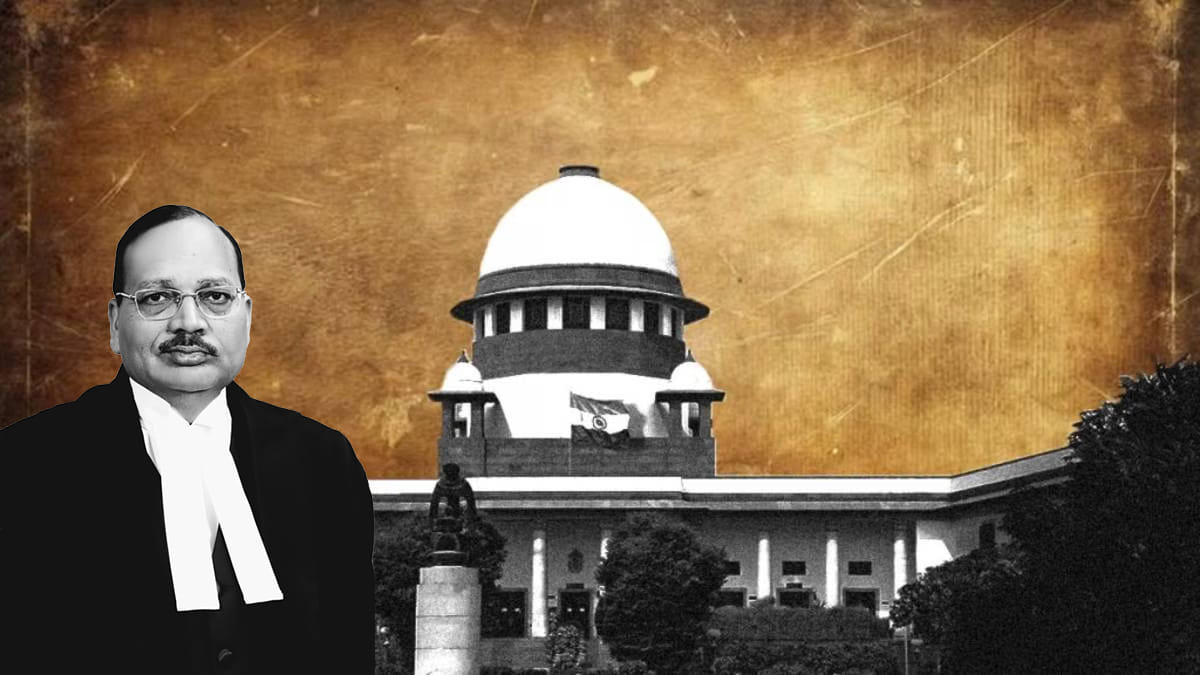
Supreme Court issues notice on plea over cockroach remark memes
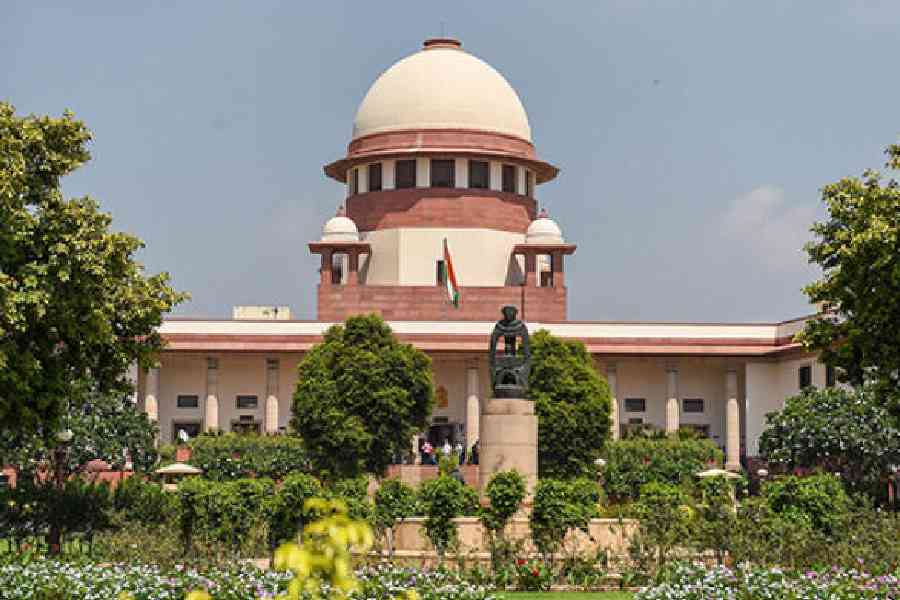
Supreme Court probes social media misuse of judges' oral remarks
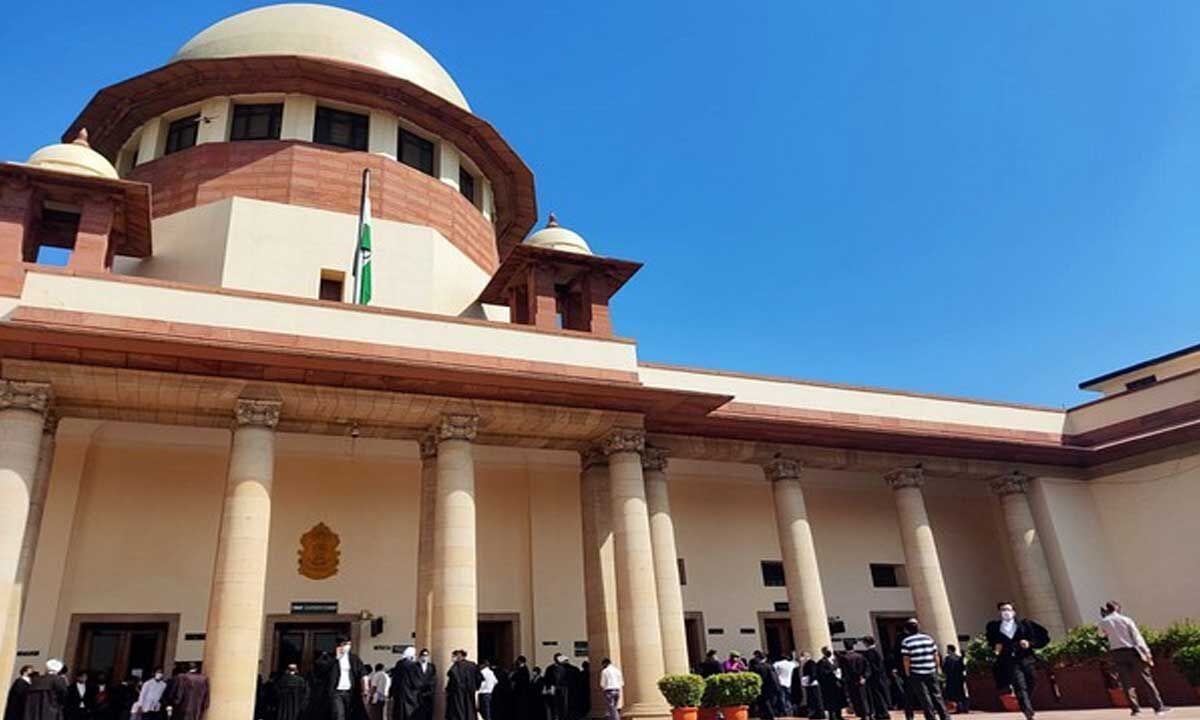
Supreme Court issues notice on PIL over Cockroach Janta Party campaign
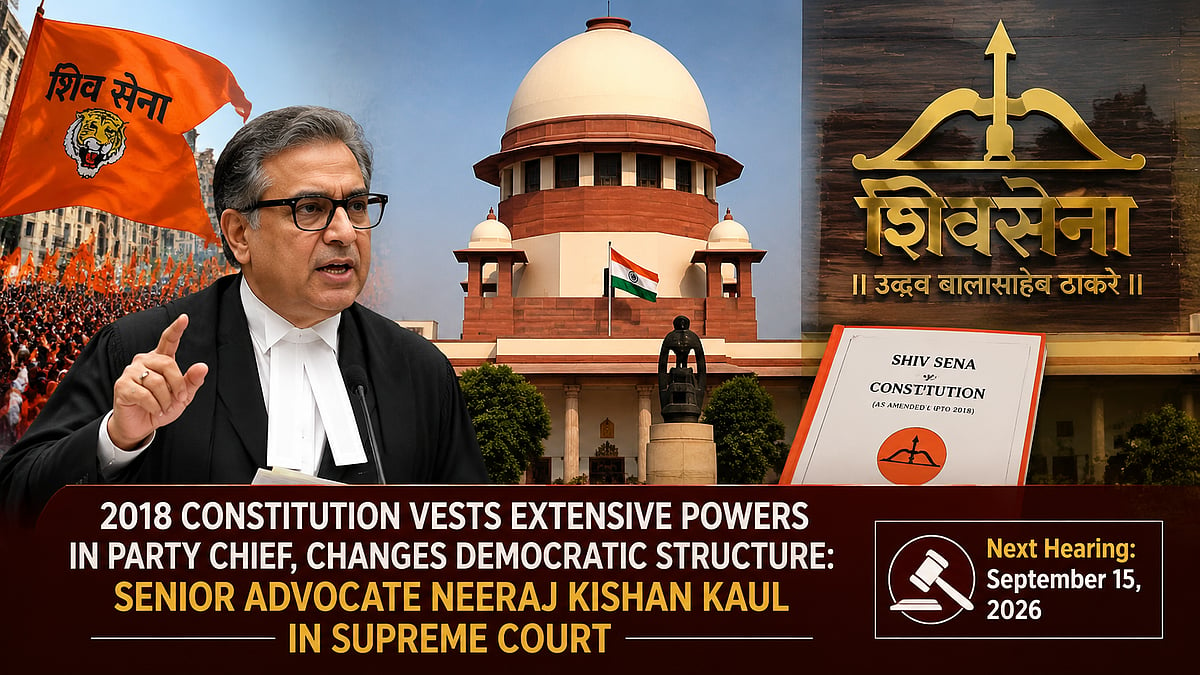
Shinde Sena Challenges Shiv Sena’s 2018 Power Shift

Supreme Court Questions BCI Chairman’s Proposed Five-Year Tenure

BJP MPs Seek National Commission for General Category Interests
PUCL Urges CJI Action Over Rajasthan High Court Allegations

Supreme Court Questions IPS Deputation for CAPF Leadership Positions
