2 hrs ago
Letters Debate Dog Breeding, Protest Rights, Literature, and Teaching
The letters discuss several different issues.
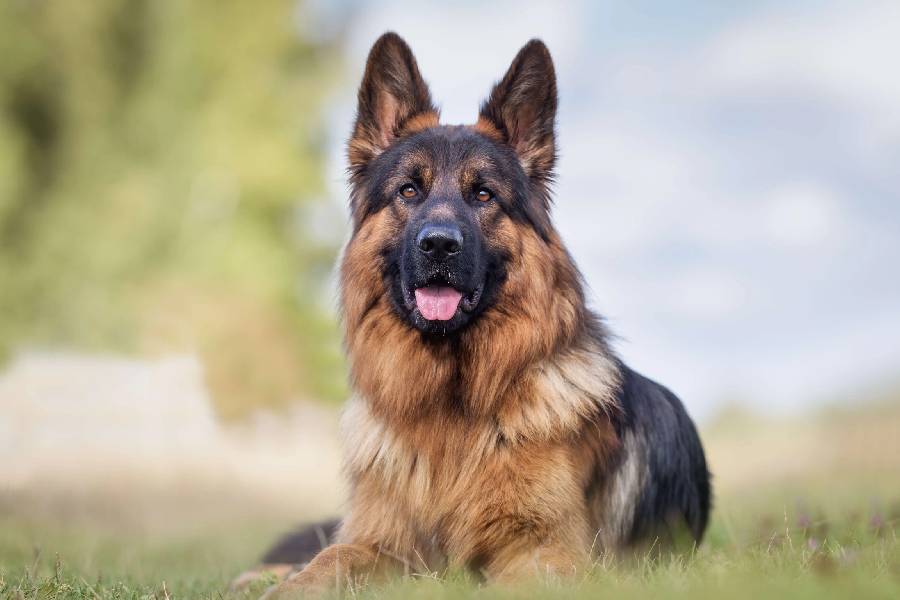
One writer says people have changed dogs so much that some breeds now suffer serious health problems.
She also worries that gene editing could create new risks.
Other writers explain that history and literature are different but help us understand each other.
They say stories about the past can shape how people think today.
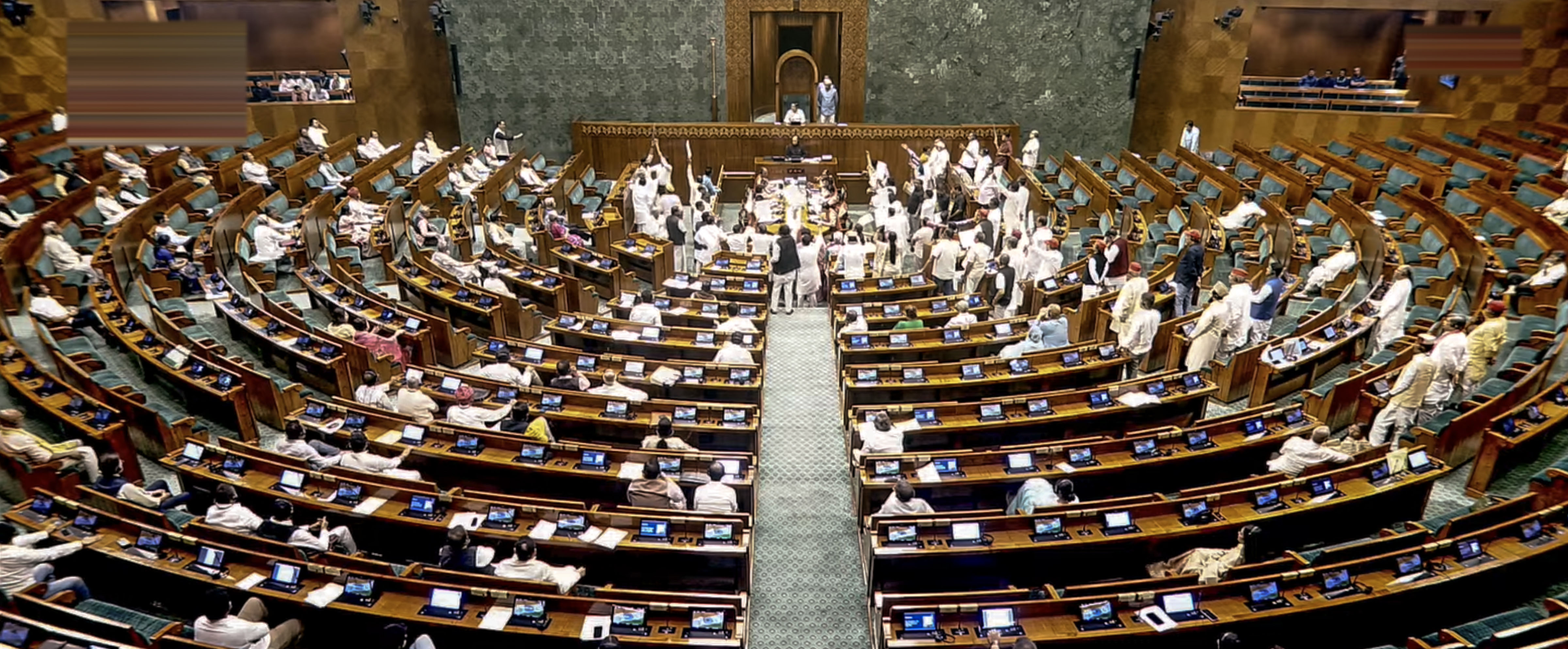
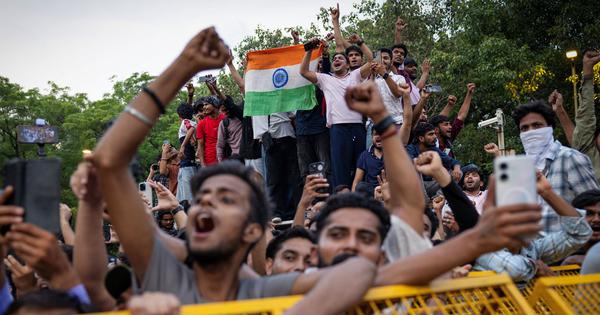
Two readers praise the Supreme Court of India for protecting young protesters from unfair criminal cases.
They say peaceful protest should not be treated as a crime.
Another writer says computers and Artificial Intelligence cannot replace the care and guidance provided by teachers.

Rima Roy argues that selective breeding and proposed gene editing have created health risks for dogs, despite sentimental ideas about human-dog companionship.
Two readers describe history and literature as distinct but closely connected, with literature using the past to illuminate present political and social realities.
Readers praise the Supreme Court of India for quashing cases against young protesters and protecting the democratic right to peaceful demonstration.
One letter welcomes the court’s call for a nationwide compensation policy for families bereaved by NEET student deaths.
A reader says Artificial Intelligence may assist classrooms but cannot replace teachers’ emotional guidance and role in developing responsible citizens.
- Who
- The letters are written by Rima Roy, S.S. Paul, Tapan Kumar Mukherjee, Ranganathan Sivakumar, D.V.G. Sankara Rao, and M. Jeyaram.
- What
- The writers comment on dog breeding and gene editing, the relationship between history and literature, protest rights, student-related compensation, and the role of teachers alongside Artificial Intelligence.
- Where
- The protest-related letters refer to Jantar Mantar, Delhi, and cases filed by the Delhi Police; the writers are identified with places including Calcutta, Chennai, Andhra Pradesh, Tamil Nadu, Nadia, Burdwan, and Sholavandan.
- When
- One letter refers to the September 5 article “Stories and histories”; the other letters do not provide specific dates.
- Why
- The writers seek to criticize harmful treatment of animals, explain the value of literature and history, support young protesters, and emphasize the continuing importance of teachers.
Key facts
- Animal welfare
- The dachshund’s back problems and the pug’s breathing difficulties are cited as consequences of selective breeding.
- Gene editing
- A biotechnology firm is described as claiming to have created hypoallergenic dogs, while the letter warns of unintended consequences.
- History and literature
- Readers describe the fields as distinct disciplines that remain closely connected through their treatment of social and political circumstances.
- Court action
- The Supreme Court of India reportedly used Article 142 to quash first information reports against young protesters.
- Protest rights
- The letters say participation in a public demonstration is not itself a criminal offence and criticize cases against peaceful protesters.
- NEET compensation
- One reader welcomes the court’s direction to formulate a nationwide compensation policy for families bereaved by NEET student deaths.
- Teaching and technology
- A reader argues that Artificial Intelligence cannot replicate teachers’ emotional connections or their broader role in shaping students.
Sources
Related news

Gene-edited hypoallergenic dogs revive questions about human cruelty
Tejpal Sentenced to 10-Year Prison Term for Raping Junior Colleague

Literature and History Draw Power From Different Strengths

Saikat Majumdar on Education, Intelligence, and AI’s Human Future
Udayan Vajpeyi on Literature, Science, Memory and the Eternal
Gen Z protest after Pradhan exit draws praise and criticism