

2 hrs ago
Iran War Pushes Gulf States Toward Strategic Security Autonomy
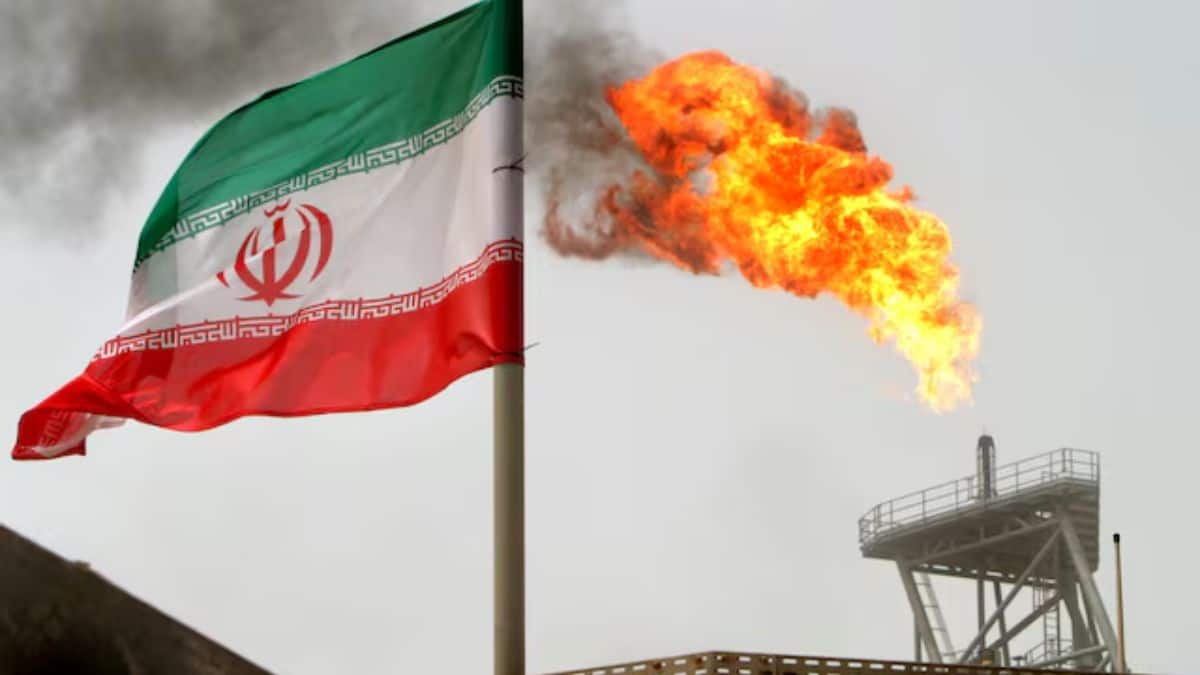
The Iran war is making Gulf countries rethink how they stay safe.
Many of them have depended heavily on the United States for protection.
Qatar says that partnership is still important, but it cannot solve every security problem.
Gulf countries are worried because US bases in their region can become targets during a war.
They are also losing money when fighting disrupts oil, gas and shipping.
Some countries are now considering more partnerships with countries such as Türkiye and Pakistan.
Oman’s separate talks with Iran show that Gulf countries want more freedom to make their own decisions.
The goal is not necessarily to leave the United States, but to rely on several security options instead of only one.

Qatar says a US alliance and foreign forces are important but insufficient for Gulf security.
The Iran conflict has increased Gulf frustration over Washington’s statements, diplomacy and war-related costs.
US military bases in the Gulf may become targets during conflicts involving Washington.
Energy-export disruptions and maritime instability have intensified the Gulf’s economic and security dilemma.
Gulf states are exploring diversified partnerships, self-reliance and greater freedom to pursue independent diplomacy.
- Who
- Gulf states, including Qatar, Saudi Arabia, the United Arab Emirates, Kuwait, Bahrain and Oman, are reassessing their security partnerships; the United States and Iran are central to the conflict.
- What
- The Iran war is prompting Gulf countries to reconsider reliance on the United States and pursue greater self-reliance and diversified security partnerships.
- Where
- Across the Gulf region, including countries hosting US military facilities and maritime routes near the Strait of Hormuz.
- When
- The reassessment is occurring during the Iran war; the article also refers to remarks and events in mid-August.
- Why
- The conflict has exposed vulnerabilities around US bases, disrupted energy and commercial traffic, and increased frustration with Washington’s handling of the war.
Continued US Security Partnership
Strategic Autonomy and Diversification
Role of the United States
Continued US Security Partnership
The US alliance and military presence remain important deterrents and a central part of Gulf security.
Strategic Autonomy and Diversification
Reliance on one external power creates vulnerability, especially when US facilities become targets during regional conflict.
Approach to diplomacy
Continued US Security Partnership
Coordination with Washington can support a common response to threats involving Iran and regional security.
Strategic Autonomy and Diversification
Gulf countries need room to pursue independent diplomacy, as illustrated by Oman’s engagement with Iran.
Future security arrangements
Continued US Security Partnership
Existing US-led security structures may continue to provide essential protection and stability.
Strategic Autonomy and Diversification
Gulf states should combine self-reliance with partnerships involving countries such as Türkiye and Pakistan.
Key facts
- Qatar’s position
- Majed al-Ansari said a US strategic alliance and international forces are important but insufficient, arguing for Gulf self-sufficiency.
- US presence
- Several Gulf countries host major US military facilities viewed as part of the region’s security architecture.
- Economic impact
- The conflict and instability around maritime routes have affected energy exports and commercial traffic.
- Security diversification
- Gulf states are exploring multiple partnerships rather than relying exclusively on Washington.
- Emerging pact
- The article identifies a Saudi Arabia–Türkiye–Pakistan mutual defence pact as an example of diversification.
- Oman’s diplomacy
- Oman has pursued independent engagement with Iran involving maritime navigation and commercial traffic through the Strait of Hormuz.
- US posture review
- The Pentagon is examining whether US Gulf troop levels and bases should be reduced, rebuilt, restructured or repositioned.
Quotes
An unnamed Gulf official
A Gulf official quoted by The Washington Post
“We need to realize in the Gulf that having international forces in the region, having a strategic alliance with the US, is very important but is not enough. Self-sufficiency when it comes to security is the only way forward.”
 firstpost.com
“If Oman gets in the way, we'll bomb the shit out of them.”
firstpost.com
Sources
Related news
Trump losing Gulf allies as US-Iran war drags on
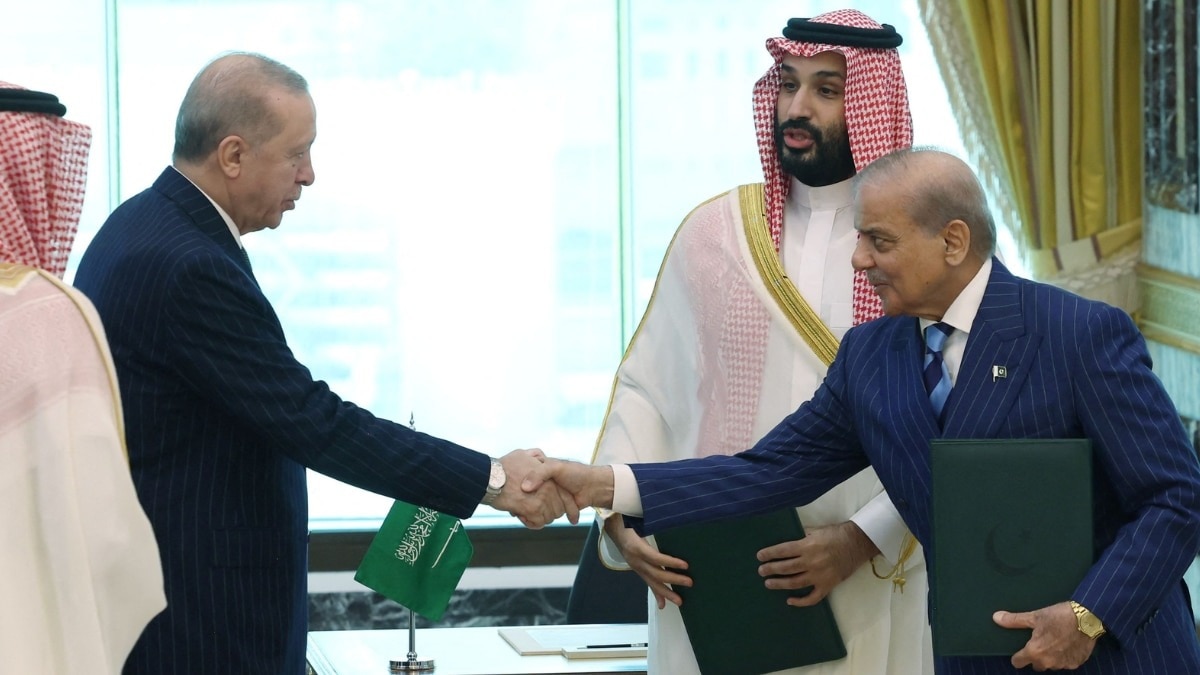
Saudi Arabia, Turkey, Pakistan Sign NATO-Like Defense Pact in Mecca
Iran Says Neighbours Seek Security Ties Amid US Pressure

Pentagon Weighs Gulf Troop Cuts After Iran War Damage
India’s Gulf Strategy Must Turn Presence Into Strategic Power
Iran Warns Gulf States Any US Aid Means War Participation

US Fuel Prices Hit Labour Day Record Amid Iran War

Indian Stocks Fall as Defence, ESDS Shares Gain Midday
Report: US Navy SEALs Conducted Secret Strait Mine-Clearing Mission

Sensex, Nifty Open Lower Amid IPO Rush, Middle East Tensions
