3 weeks ago
Why Hindus avoid onions and garlic during Sawan: tradition explained
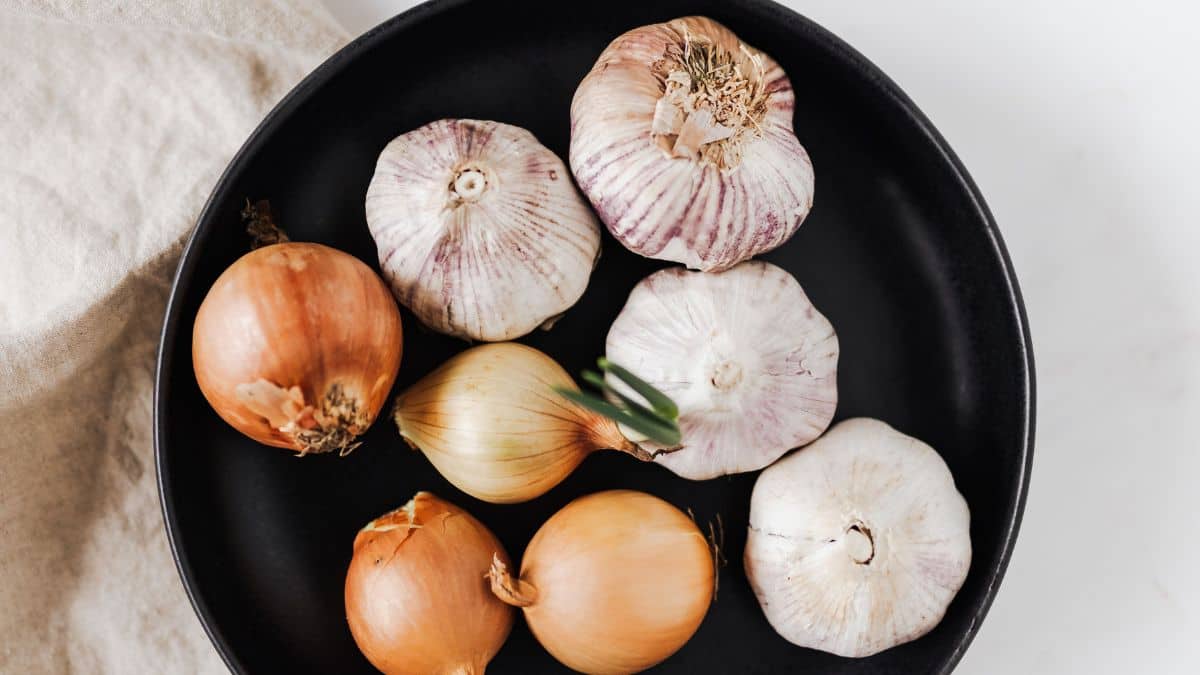
During a special month called Sawan, many families in India stop eating onions and garlic.
This month is very important in the Hindu religion because it is dedicated to Lord Shiva.
People believe that eating simple, light foods helps them feel calm and focused when they pray.
Onions and garlic are thought to make people feel restless or sleepy, so they are avoided.
Old Indian medicine, called Ayurveda, says these foods warm up the body.
Sawan happens during the rainy season, when tummies can get upset more easily.
Eating lighter food is seen as a way to stay healthy during the rains.
Giving up onions and garlic is also a way to practise self-discipline and mindfulness.
Doctors say onions and garlic are actually very healthy to eat most of the time.
So this is not a rule for everyone — many people follow it as part of their family tradition.

Many Hindus across India give up onions and garlic every year during Sawan, the holy month dedicated to Lord Shiva.
Onions and garlic are classified as tamasic foods in Hindu philosophy, thought to increase lethargy, restlessness and worldly desires.
Ayurveda says onions and garlic have heating properties, while the monsoon season is linked to slower digestion and higher infection risk.
The practice is also seen as an act of self-discipline and aligns with fasting observed on Mondays and other auspicious days.
Nutrition experts say onions and garlic are rich in antioxidants and support heart health and immunity, so the exclusion is a cultural and spiritual choice, not a long-term dietary rule.
- Who
- Many Hindus across India who observe Sawan by following a sattvic diet, fasting and visiting temples.
- What
- The tradition of avoiding onions and garlic during the holy month of Sawan for religious, Ayurvedic and seasonal reasons.
- Where
- India, in homes and temples across the country.
- When
- Every year during Sawan (Shravan), the sacred month in the Hindu calendar that coincides with the monsoon season.
- Why
- Onions and garlic are considered tamasic foods that can distract devotees, have heating properties according to Ayurveda, and were historically avoided to reduce stomach infection risk during the rains.
Flexible, health-based observance
Traditional strict observance
Should everyone avoid onions and garlic during Sawan?
Flexible, health-based observance
The practice is not mandatory for everyone; nutrition experts say onions and garlic are highly beneficial, rich in antioxidants and supportive of heart health and immunity, so observance should adapt to lifestyle and health needs.
Traditional strict observance
Traditional religious, Ayurvedic and seasonal wisdom holds that avoiding tamasic, heating foods during the monsoon supports spiritual purity, digestion and internal balance, and is widely followed in homes and temples.
Key facts
- Observance
- Sawan (Shravan), a holy month in the Hindu calendar
- Dedicated deity
- Lord Shiva
- Foods avoided
- Onions and garlic
- Religious reason
- Classified as tamasic foods that increase lethargy, restlessness and worldly desires
- Ayurvedic reason
- Heating properties that stimulate the senses and increase rajas and tamas
- Seasonal reason
- Monsoon humidity slows digestion and raises infection risk
- Recommended diet
- Sattvic foods such as fruits, milk, nuts, vegetables and grains
- Mandatory?
- No — it is a personal and family choice
Sources
Related news
Monsoon Food Safety Guide Highlights Leafy Greens To Avoid

McDonald's India launches Shravan special menu, netizens call it glocalization

Acharya Balkrishna shares ayurvedic habits for monsoon gut health
Why ajwain deserves a spot in your monsoon routine
Acharya Balkrishna Highlights Salt, Lemon and Digestive Balance

Sawan Shivratri 2026 on 11 August: Bhadra Timings and Jalabhishek

Anasuya Bharadwaj’s Widowhood Questions Ignite Debate Over Tradition

Align Your Home Energy Through Your Door with Conscious Vaastu Guide

Physicist's Tribute Hails India as Greatest Nation on Earth
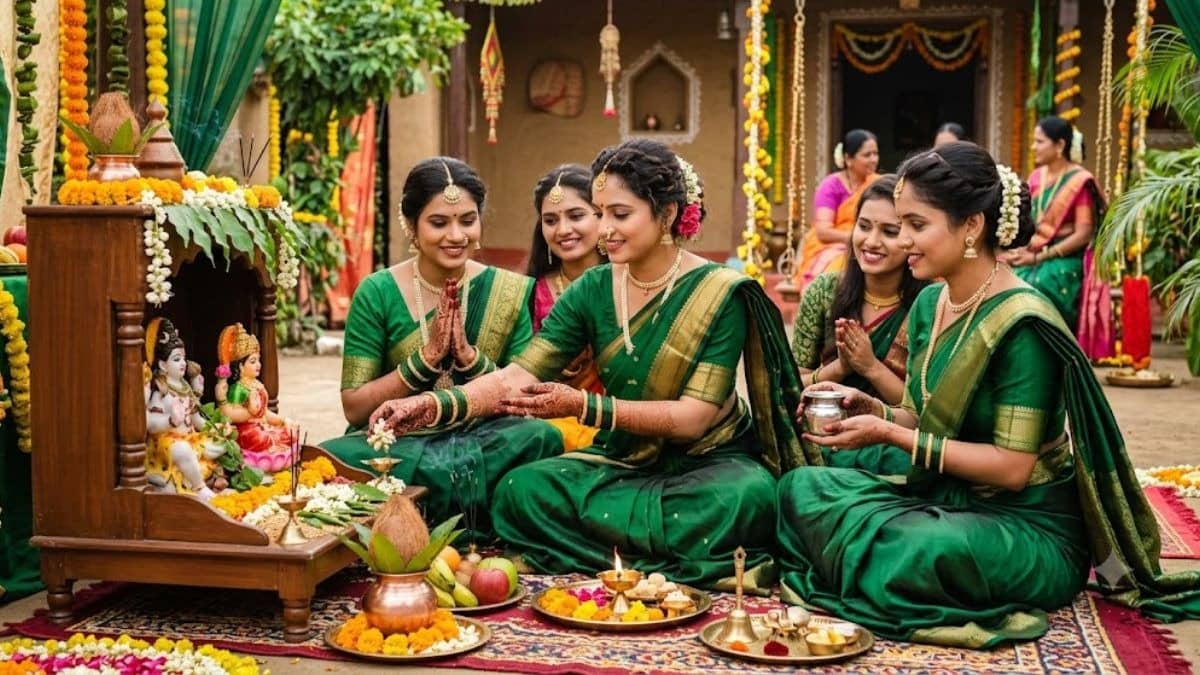
Hariyali Teej 2026: Shubh Muhurat, Vrat Vidhi And Significance