2 weeks ago
Monsoon Food Safety Guide Highlights Leafy Greens To Avoid
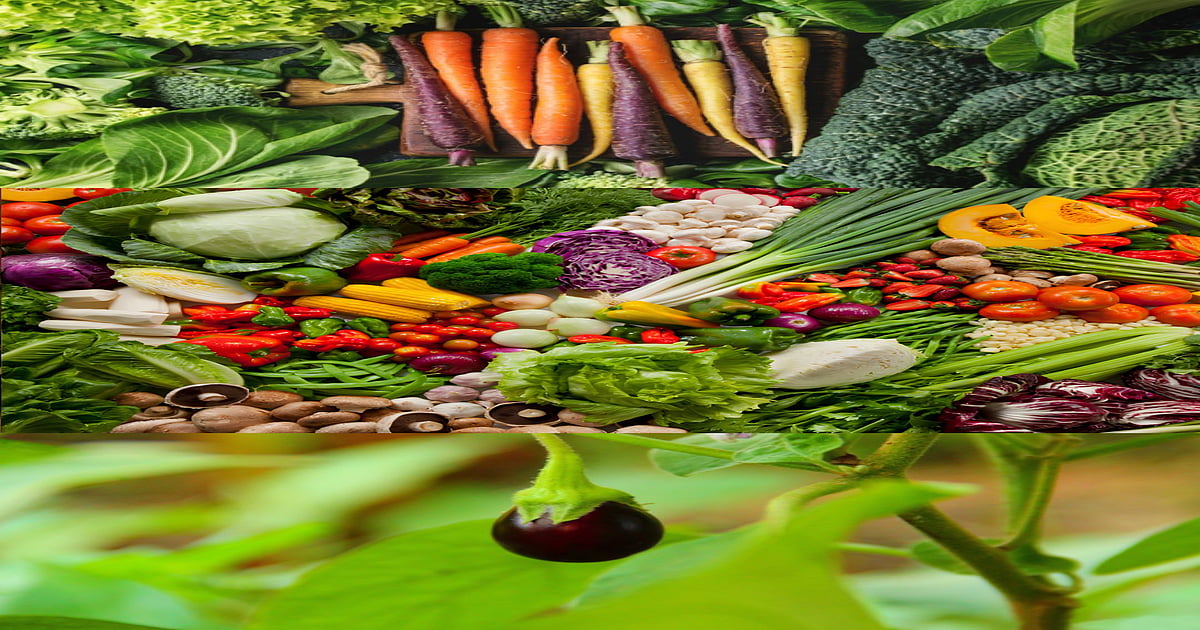
The rainy season can make some foods less safe to eat.
This is because the air is more humid.
The soil is also wetter.
These conditions can help germs, bacteria, and fungi grow quickly.
Leafy green vegetables may be harder to keep safe during this time.
Spinach is one example mentioned in the guide.
The article recommends avoiding these vegetables during the monsoon.
This advice is meant to help people reduce possible food-safety risks.

Monsoon conditions can encourage germs, bacteria, and fungi to grow quickly.
High humidity is identified as one factor increasing food-safety concerns.
Moist soil during the rainy season can also support microbial growth.
The article advises avoiding leafy green vegetables during the monsoon.
Spinach is specifically given as an example of a leafy green to avoid.
- Who
- People consuming vegetables during the monsoon season.
- What
- A food-safety guide advises avoiding leafy green vegetables, including spinach, during the rainy season.
- Where
- The article does not specify a particular geographic location.
- When
- During the monsoon or rainy season.
- Why
- High humidity and moist soil can support the rapid growth of germs, bacteria, and fungi.
Key facts
- Season
- Monsoon or rainy season
- Main concern
- Rapid growth of germs, bacteria, and fungi
- Contributing condition
- High humidity
- Additional condition
- Moist soil
- Food category to avoid
- Leafy green vegetables
- Example mentioned
- Spinach
- Recommended action
- Steer clear of or avoid the listed vegetables
Sources
Related news

Acharya Balkrishna shares ayurvedic habits for monsoon gut health

Doctors Reveal Hidden Damage Monsoon Showers Do To Your Hair

Dr Shriram Nene debunks 4 common monsoon health myths
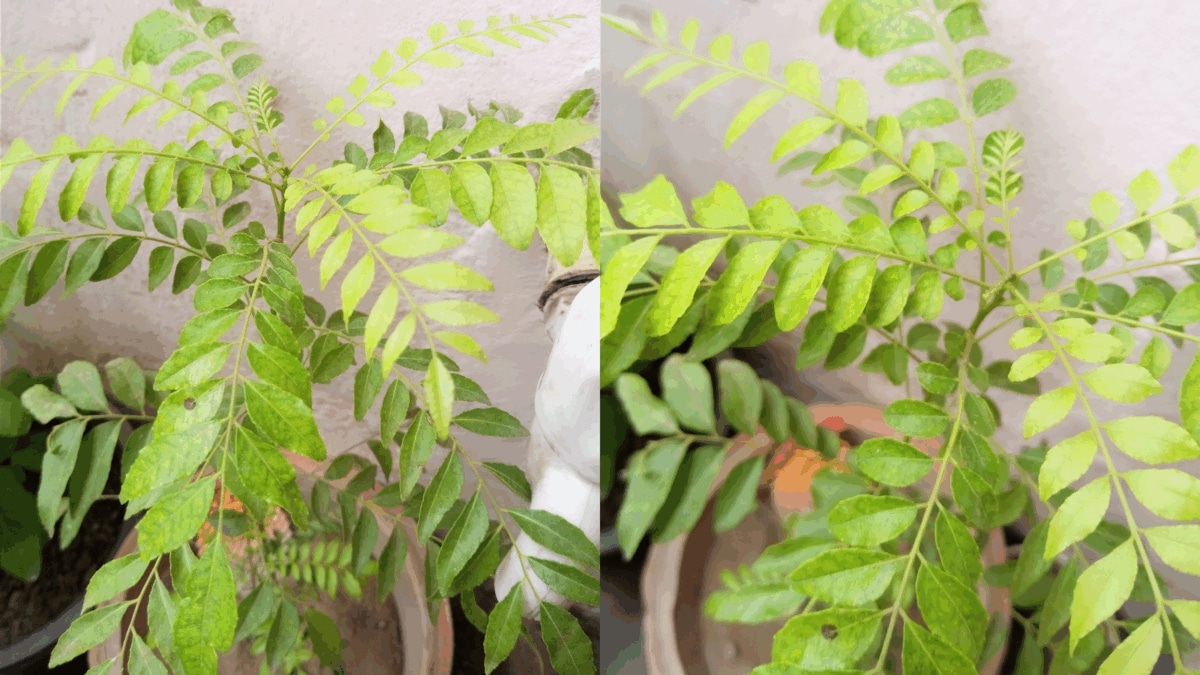
How to Revive Curry Leaf Plants Yellowed by Monsoon Rains

Vets Share Monsoon Pet Care Tips Amid Heavy Rain Warnings