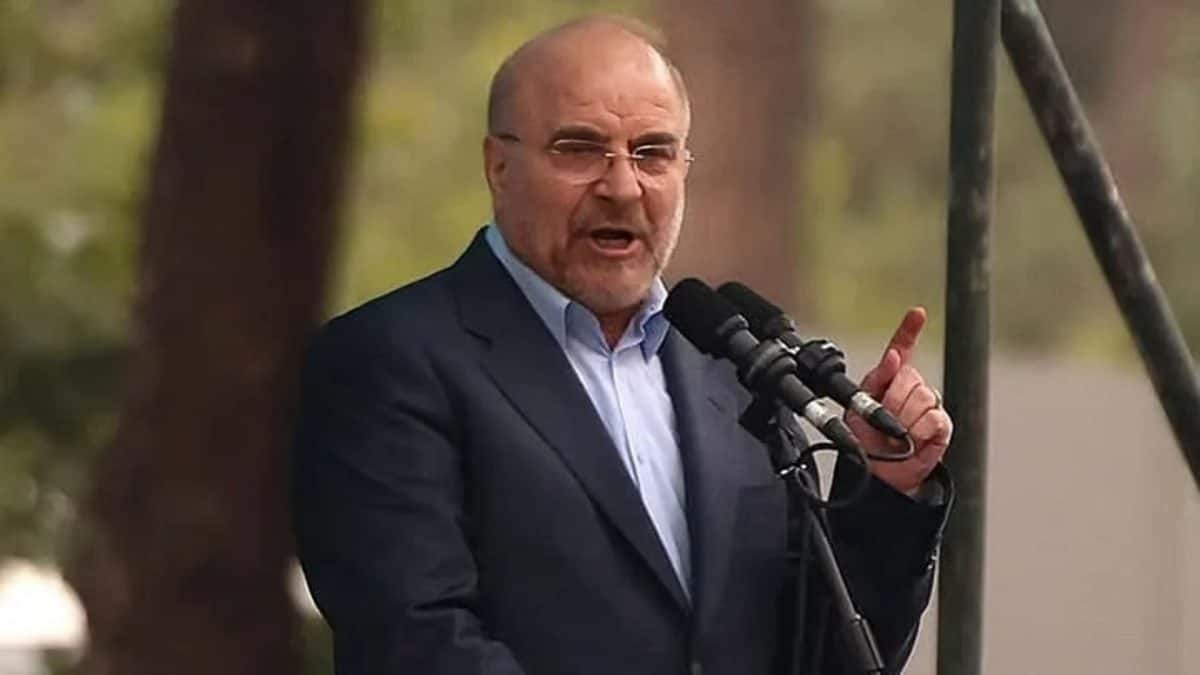
1 hr ago
Iran and US Trade Threats as Houthi Attacks Escalate

The United States and Iran are threatening each other as fighting spreads across the region.
Donald Trump said Iran should make a deal or face severe economic and political consequences.
Iran’s military said it would strike back strongly if attacked again.
Iran also warned that US bases and American allies could be targets.
Meanwhile, the Iran-backed Houthi movement attacked near Riyadh with missiles and drones.
This has created more danger for Saudi Arabia and nearby countries.
Blockades of important waterways are making it harder to ship oil and other goods.
Iran and the United States have not yet returned to the temporary ceasefire arrangement reached in June.

Donald Trump warned Iran’s leaders to make a deal or face economic collapse and possible removal.
Iran’s military threatened sustained retaliation against any new attack on Iran, US bases, or regional allies.
The Iran-backed Houthi movement launched missile and drone attacks toward Riyadh, Saudi Arabia.
Blockades and fighting around the Strait of Hormuz and Bab el-Mandeb have disrupted energy exports.
Iran said it would not reopen the Strait of Hormuz until terms of a disputed June ceasefire agreement were met.
- Who
- The United States, Iran, President Donald Trump, Iran’s military, and the Iran-backed Houthi movement are central to the developments.
- What
- The United States and Iran exchanged threats while Houthi missile and drone attacks intensified regional tensions and disrupted shipping.
- Where
- The developments involve Iran, the United States, Saudi Arabia, Yemen, the Strait of Hormuz, and the Bab el-Mandeb Strait.
- When
- The latest threats and Houthi attacks were reported on Sunday, September 20; the broader conflict began on February 28.
- Why
- The threats followed continuing conflict, disputes over a failed June ceasefire agreement, Houthi gains in Yemen, and blockades affecting energy exports.
Iranian Position
United States Position
Pressure versus negotiation
Iranian Position
Iran said it would continue fighting while negotiating and demanded that the terms it associates with the June agreement be met before reopening the Strait of Hormuz.
United States Position
Donald Trump urged Iran to make a deal and warned that failure could bring severe economic consequences or the destruction of its leadership.
Response to further attacks
Iranian Position
Iran’s military said a new attack would lead to sustained retaliation against US bases and interests, with Washington’s regional allies treated as parties to the conflict.
United States Position
The United States issued a security alert over Houthi hostilities and warned of possible escalation, flight cancellations, and airspace closures.
Response to Houthi advances
Iranian Position
The Houthi movement, backed by Iran, escalated attacks after making military gains in Yemen’s renewed civil war.
United States Position
Saudi Arabia faces a choice between continuing airstrikes against the Houthis or stepping back to reduce the risk of attacks on critical infrastructure.
Key facts
- US warning
- Donald Trump said Iran’s leaders should make a deal or face economic collapse and possible elimination of its leadership.
- Iranian warning
- Iran’s military said any new attack would trigger sustained retaliation against US bases and interests.
- Houthi attack
- The Iran-backed Houthi movement launched missile and drone strikes toward Riyadh on Saturday.
- Shipping disruption
- Iran has blockaded most shipping in the Strait of Hormuz, while Houthi gains threaten shipping through the Bab el-Mandeb Strait.
- Ceasefire status
- An interim ceasefire agreement reached in June collapsed in July amid disputes over its terms.
- Iranian position
- Iran said it would not reopen the Strait of Hormuz until the June agreement’s terms, as Iran interpreted them, were met.
- Possible meeting
- Trump said he would be open to meeting Iranian President Masoud Pezeshkian, who was expected in New York for the United Nations General Assembly.
Sources
Related news
Iran Threatens Maritime Escalation as Houthis Attack Saudi Arabia
Iran Warns of Fresh US Attack, Vows Sustained Retaliation

US Escalates Iran Economic Pressure as Hormuz Crisis Deepens

Iran Warns U.S. Energy Interests as Hormuz Traffic Falls
US Launches Fresh Iran Strikes Near Strait of Hormuz

India's LPG OMC Under-Recovery Rises as Imports Face Disruptions

Gold prices may stay volatile as Fed, conflict shape outlook

Iran Rejects Old American Order, Demands Strength Before Talks