3 hrs ago
How LED Lighting Helps Build a More Energy-Efficient Home
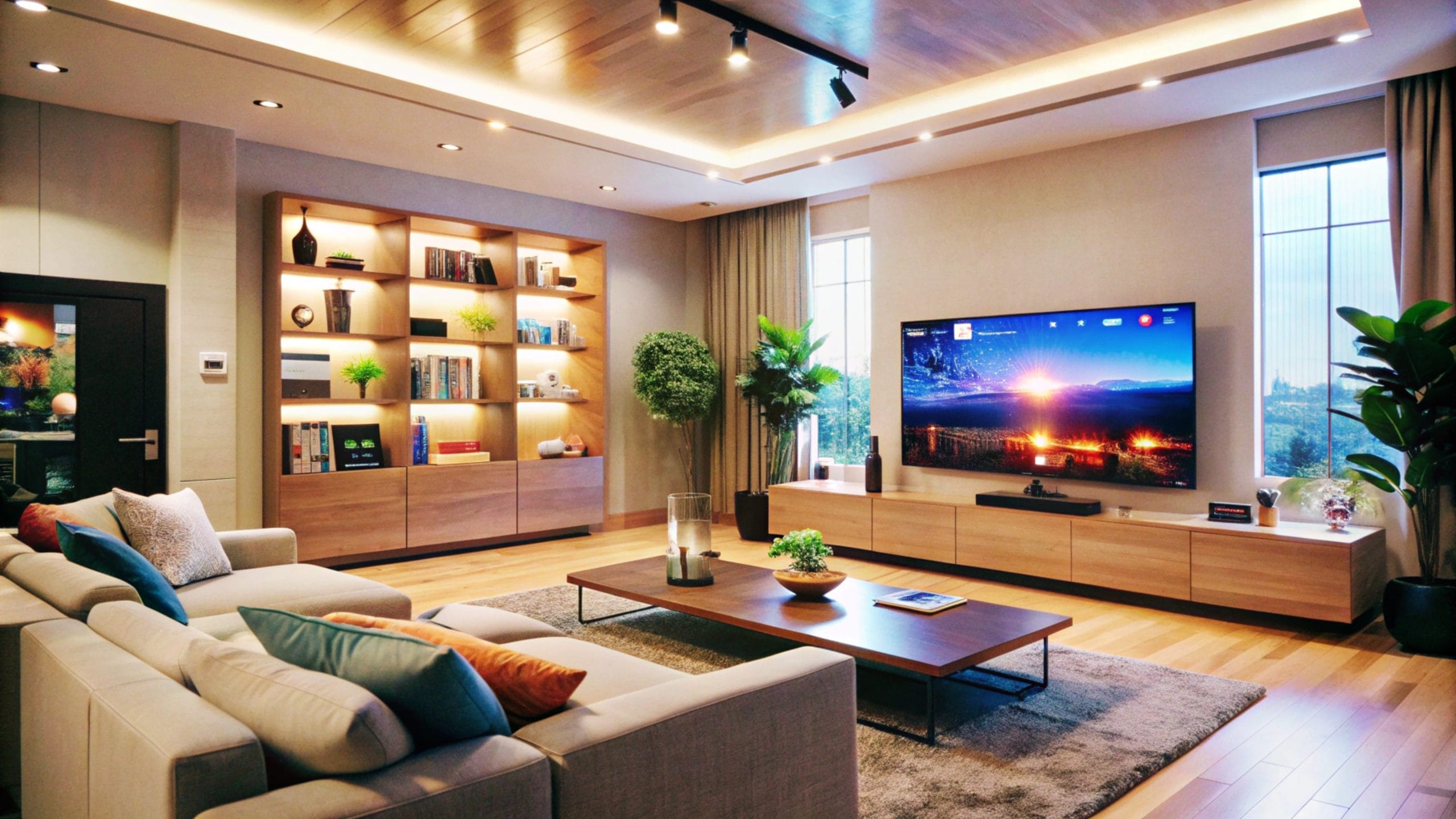
LED bulbs make light without heating a wire like old-style bulbs.
This usually means they use less electricity.
A room does not always need the brightest or highest-wattage bulb.
Smaller rooms might use a 9-watt LED, while larger or brighter areas may need 12 watts or several lights.
Lumens tell you how bright a bulb is, while watts tell you how much electricity it uses.
Bedrooms, kitchens and living rooms can use different kinds of lighting.
Smart bulbs can dim, schedule and control lights remotely.
Windows and lighter surfaces can also help reduce the need for electric lights.
The article says ThePrint BrandIt content is sponsored and was not written by ThePrint journalists.

LED bulbs use semiconductor technology and generally consume less electricity than incandescent bulbs.
Choosing LED wattage should depend on room size, purpose, existing fixtures and usage time.
The article distinguishes wattage, which measures power use, from lumens, which measure visible brightness.
Different spaces may need different lighting, including softer bedroom light and task lighting for kitchens or work areas.
Smart LEDs can offer scheduling and remote controls, while natural daylight can further reduce artificial-light use.
- Who
- Homeowners, with examples involving Wipro Consumer Lighting products.
- What
- An explanation of how LED bulb selection, lighting design, smart controls and daylight can improve household energy efficiency.
- Where
- Homes, including bedrooms, kitchens, living areas, passages, work areas and other rooms.
- When
- Why
- To reduce unnecessary electricity use while providing the brightness each space requires.
Key facts
- LED technology
- LEDs produce light using semiconductor technology rather than heating a filament.
- Example wattages
- The article discusses 9W and 12W LED bulbs for different household lighting needs.
- Brightness measurement
- Wattage measures electrical power consumption, while lumens measure visible light output.
- Lighting choices
- Room size, natural light, purpose, other fixtures and usage hours should influence bulb selection.
- Smart-bulb features
- Wipro’s 9W Wi-Fi LED Smart Bulb supports app control, brightness adjustment, scheduling and Amazon Alexa compatibility.
- Daylight strategy
- Placing work areas near windows and using lighter interior surfaces can reduce reliance on artificial light.
- Content disclosure
- ThePrint BrandIt identifies the article as paid-for sponsored content and says ThePrint journalists did not report or write it.
Sources
Related news

Seven Key Checks Before Buying a Home Projector
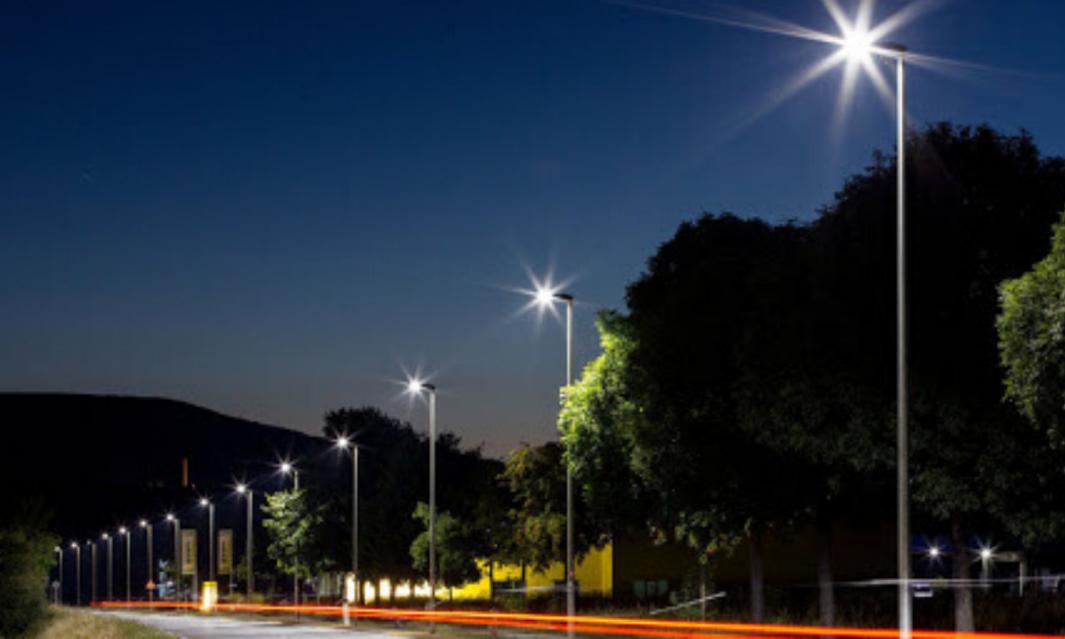
Andhra Pradesh Replacing 10.5 Lakh Street Lights With Smart LEDs

Friend Regrets ₹1 Lakh TV Purchase; Seven Mistakes to Avoid

Aromatherapy Candles And Diffusers Under Rs 2,000 For Relaxation
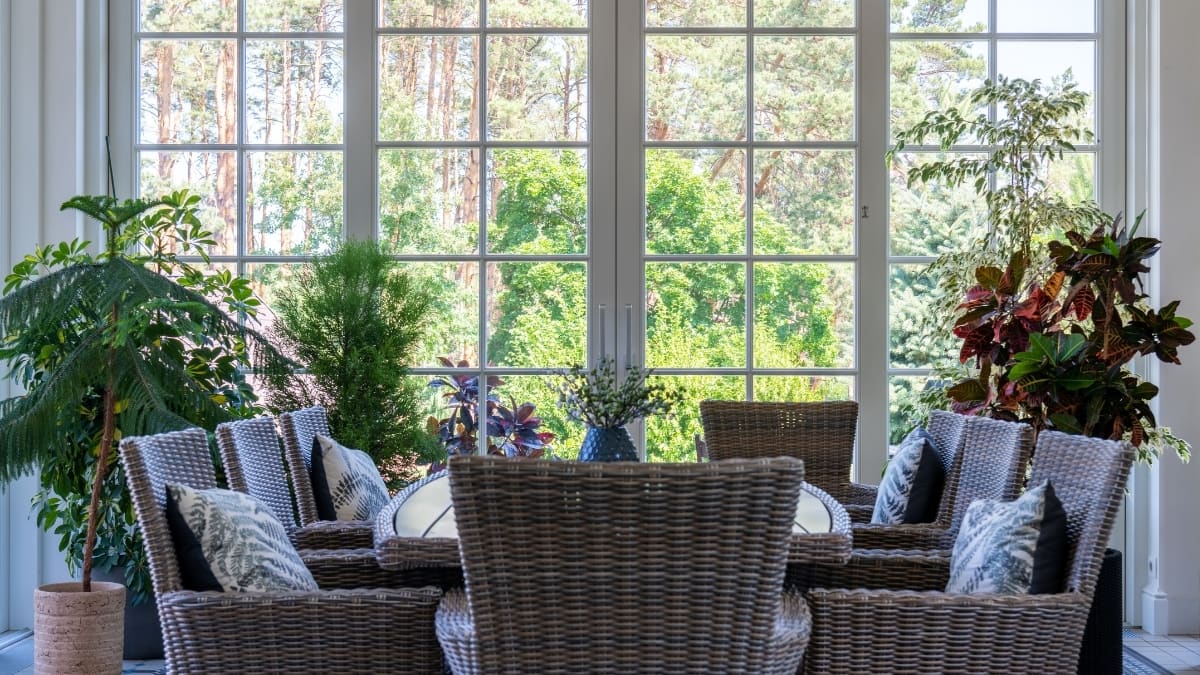
How Plants Are Redefining Modern Luxury Home Interiors

Punjab Faces Youth Exodus, Rural Decline and Political Disillusionment

Modi’s ‘Dimagi Naxal’ Warning Sparks Debate Over Dissent

What Railway PNR Details Reveal Before Your Journey

Jyoti Yadav’s Covid Book Challenges India’s Forced Forgetting