1 week ago
Seven Key Checks Before Buying a Home Projector

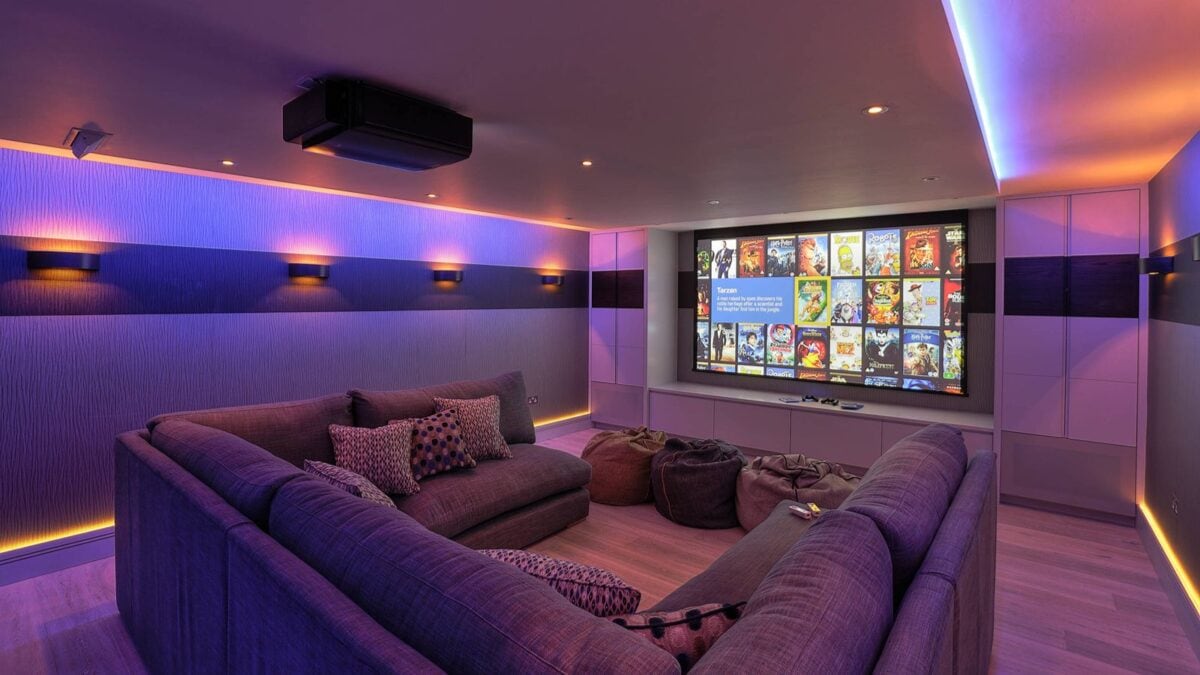
A projector can make movies and games appear on a very large screen.
But the best projector depends on the room and how you plan to use it.
A dark room may need less brightness than a room with sunlight.
You should check whether the projector shows true 4K or creates a similar effect by shifting pixels.
The projector also needs to be placed the right distance from the wall or screen.
HDMI, USB, wireless features, and streaming support determine what devices and services you can use.
Keystone correction and lens shift can make setup easier.
DLP and LCD projectors have different strengths, while laser models usually last longer than lamp models.
Comparing these details can help you avoid buying a projector that does not fit your home.

Choose a projector based on whether it will serve movies, gaming, presentations, or portable viewing.
Compare native 1080p and 4K resolution, while checking whether a 4K model uses pixel-shifting.
Match brightness to the room and compare ANSI, ISO, and LED lumen ratings carefully.
Measure the available space and select a throw distance that fits the room.
Check ports, streaming-service support, setup features, projection technology, and light-source lifespan.
- Who
- People choosing a projector for home movies, television, gaming, presentations, or occasional outdoor viewing.
- What
- A guide identifies seven considerations for comparing and buying a home projector.
- Where
- In the intended home viewing space, including dark theatres, bright rooms, small rooms, and outdoor settings.
- When
- Before purchasing a projector.
- Why
- Projectors differ in image quality, brightness, placement requirements, connectivity, setup, technology, and price, so not every model suits every household.
Key facts
- Main resolution choices
- Most home buyers will generally compare 1080p and 4K projectors.
- Brightness for dark rooms
- About 1,500–2,000 ANSI lumens is typically enough for a completely dark home theatre.
- Brightness for bright rooms
- Rooms with significant ambient light may require 3,500 ANSI lumens or more.
- Contrast starting point
- A contrast ratio of at least 3,000:1 is suggested as a useful starting point; serious home theatres may benefit from 10,000:1 or higher.
- Short-throw models
- Short-throw and ultra-short-throw projectors suit rooms with limited space between the device and wall or screen.
- Connectivity
- Buyers should check HDMI and USB ports, wireless features, and support for specific streaming services such as Netflix.
- Light sources
- Lamp projectors generally cost less, while laser projectors usually offer longer light-source life and immediate full brightness.
Sources
Related news

Netflix-Ready Projectors for Portable and Home Movie Nights
Budget Projectors Trade Setup Flexibility for More Smart Features

Five TVs Built for Smooth 4K 120Hz PS5 Gaming

Friend Regrets ₹1 Lakh TV Purchase; Seven Mistakes to Avoid

Best TVs Under ₹50,000: 4K, QLED and Mini LED Picks