1 hr ago
Narendra Modi’s 25-Year Public Life and Political Legacy
This article is an opinion piece about Narendra Modi’s time in public life.
It says he has spent 25 years serving in politics, including time leading Gujarat and India.
The writer praises decisions on Jammu and Kashmir and the Ram temple in Ayodhya.
The article says a common civil law for everyone is still being pursued.
It also supports a review of voter lists and says Aadhaar cards do not prove citizenship.
The author praises the government’s COVID-19 response and its actions on security and defence.
The article says India has tried to maintain relationships with both Russia and the United States.
These are the writer’s views, and the piece gives little detail about opposing arguments.

The opinion article reviews Narendra Modi’s 25 years in public life, including 13 years as Gujarat chief minister and his time as prime minister.
It credits Modi’s government with removing Jammu and Kashmir’s special status in 2019 and inaugurating the Ram temple in Ayodhya in 2024.
The author describes the Uniform Civil Code as unfinished work and presents the triple talaq law and Waqf Act 2025 as steps toward it.
The article defends the voter-roll Special Intensive Revision, arguing that Aadhaar is not proof of citizenship and that only citizens may vote.
It also praises the government’s handling of COVID-19, security and defence, while describing India’s balancing of relations with Russia and the United States.
- Who
- Narendra Modi and his government, as discussed by columnist S Murlidharan.
- What
- An opinion article assessing Modi’s 25-year public life and praising his political decisions and policies.
- Where
- India, including Gujarat, Jammu and Kashmir, and Ayodhya.
- When
- The article marks 25 years of public life; it also refers to decisions and events from 2019, 2024 and 2025.
- Why
- The writer argues that Modi has challenged the status quo and advanced long-standing political and policy goals.
Author’s position
Opposition or critics, as described
Special Intensive Revision
Author’s position
The author says voter rolls require periodic revision and that the exercise is necessary because Aadhaar does not establish citizenship.
Opposition or critics, as described
The article says the Opposition opposes the revision, but does not set out its specific arguments.
Uniform Civil Code
Author’s position
The author presents a Uniform Civil Code as a goal and describes legal changes as steps toward it.
Opposition or critics, as described
The article refers generally to opposition from fundamentalists and pseudo-secularists but does not provide their detailed views.
Key facts
- Subject
- Narendra Modi’s public and political career
- Milestone described
- 25 years in public life, including 13 years as Gujarat chief minister
- Jammu and Kashmir
- The article dates the move to remove its special status to August 5, 2019.
- Ram temple
- The article gives January 22, 2024, as the inauguration date in Ayodhya.
- Uniform Civil Code
- Described by the author as a work in progress, with some BJP-ruled states choosing to implement it.
- Voter-list revision
- The article discusses the Special Intensive Revision and says Aadhaar is not proof of citizenship.
- Author
- S Murlidharan, identified as a freelance columnist.
Sources
Related news
Narendra Modi’s 25-Year Political Journey: Ten Defining Turning Points
Modi’s 25-Year Leadership Record Highlights India’s Broad Transformation
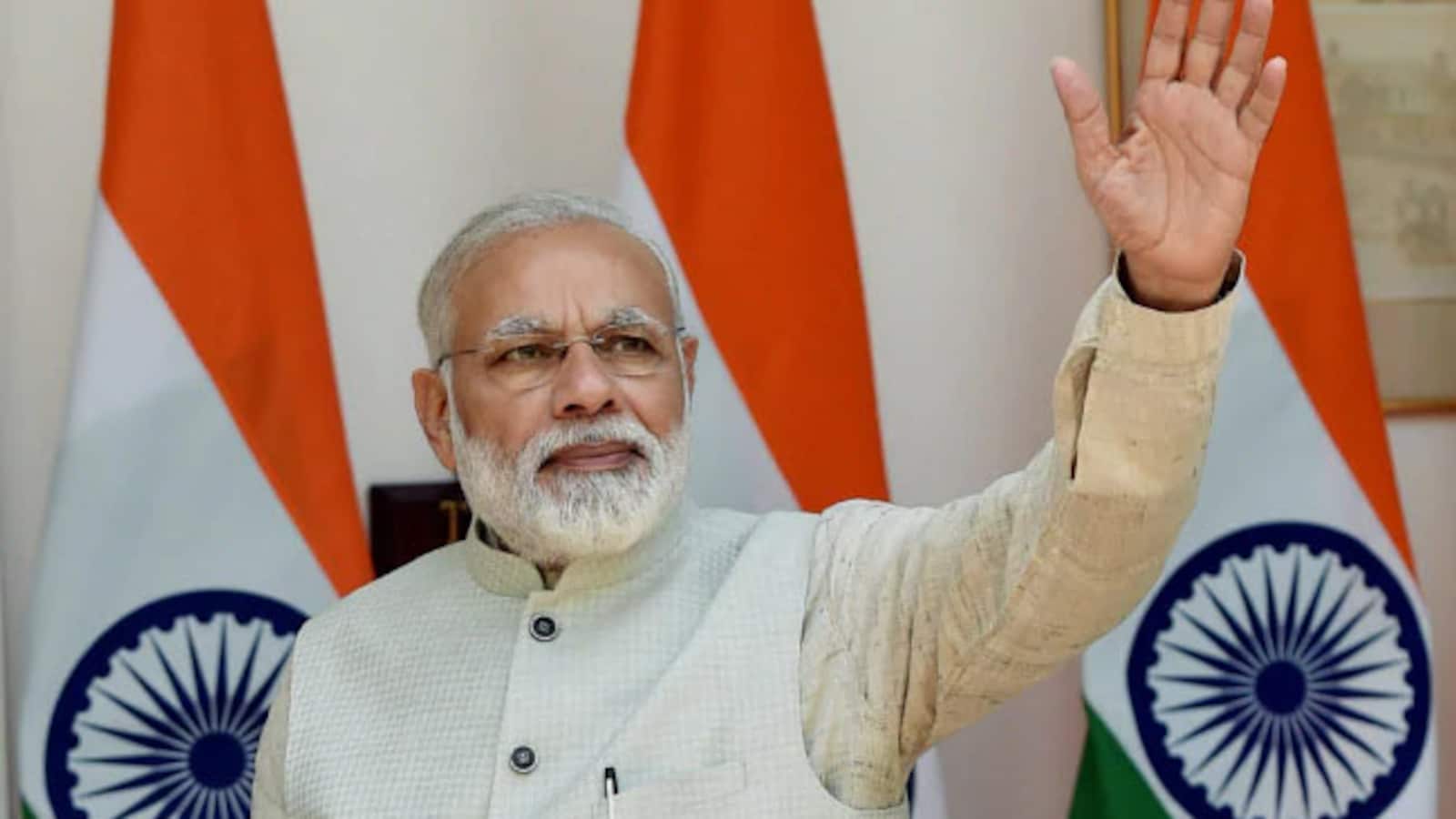
Cabinet Hails Modi’s 25 Years of Governance and Achievements

Narendra Modi’s Journey From RSS Worker to Third-Term Prime Minister
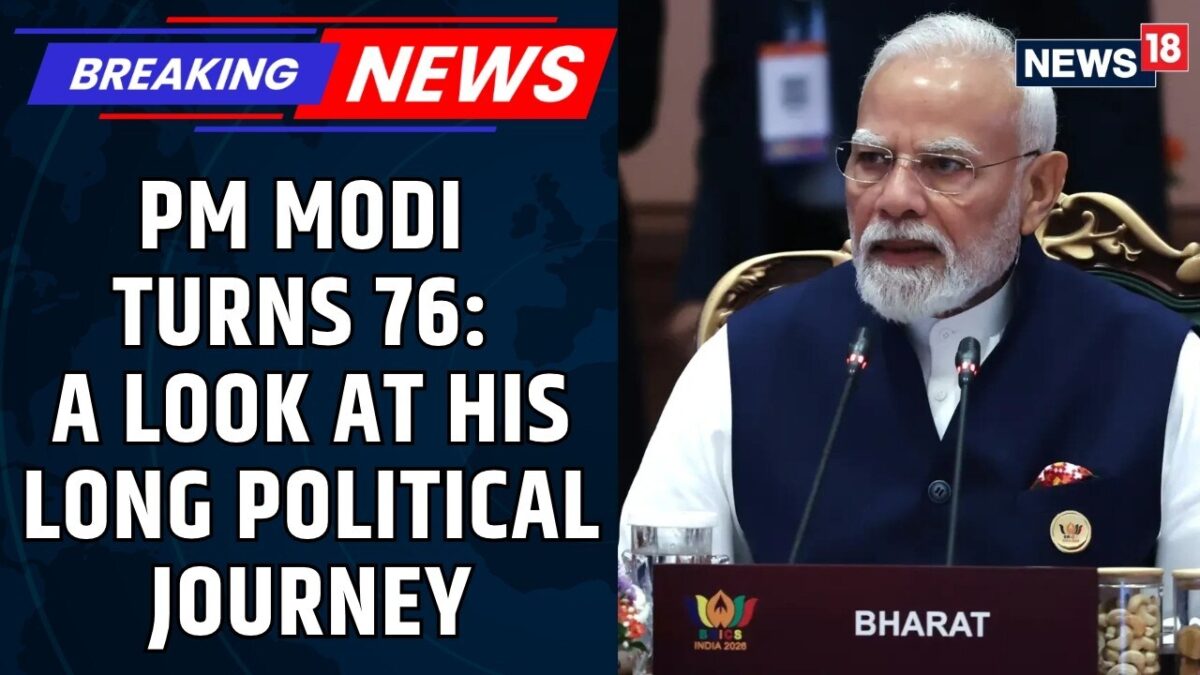
Narendra Modi Turns 76 After Years In Indian Politics
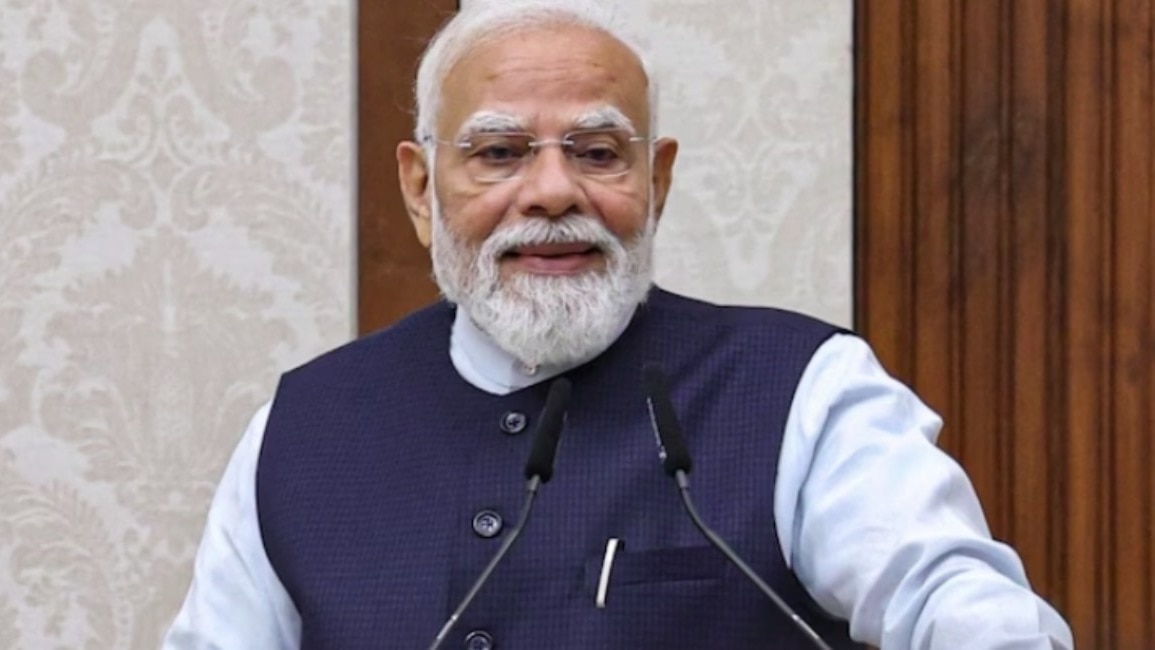
Modi at 76: From Gujarat Chief Minister to National Leader

Delhi Traffic Curbs for BJP Event Honouring Modi’s Public Life
BJP Accuses Rahul Gandhi of Stirring Anarchy Over Vote-Chori
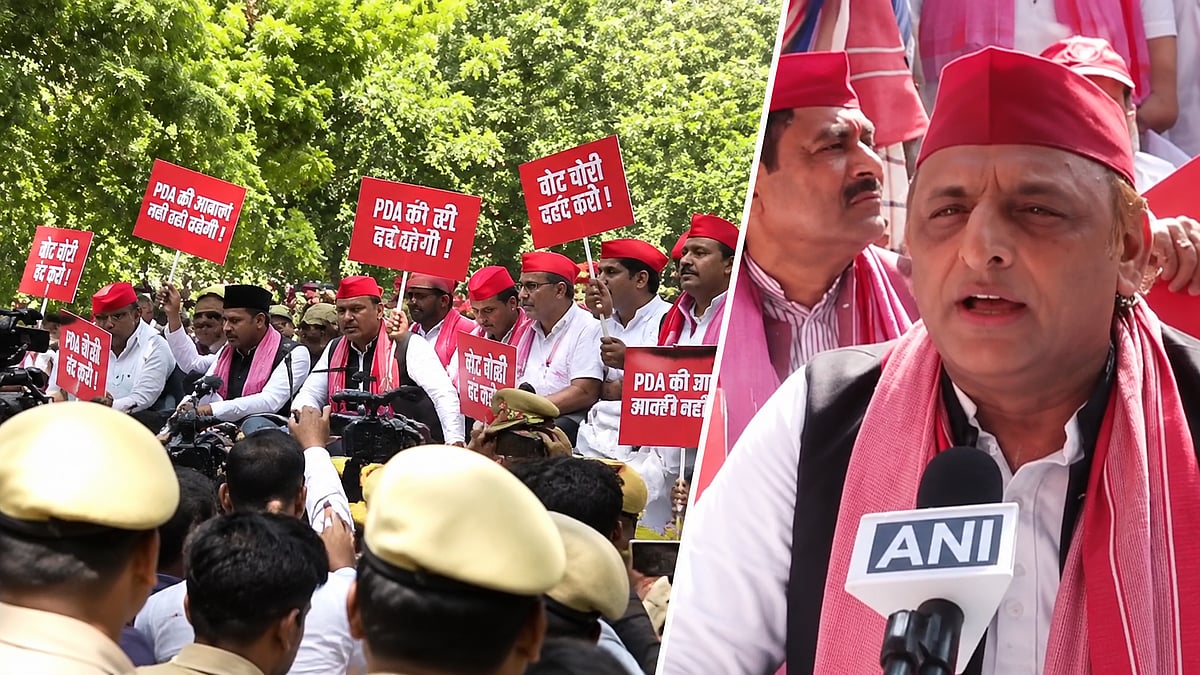
Akhilesh Yadav Detention Sparks Protests Across Uttar Pradesh
Bengal Assembly Bypolls Draw Repoll Calls Amid Irregularity Claims