1 hr ago
Narendra Modi’s 25-Year Political Journey: Ten Defining Turning Points
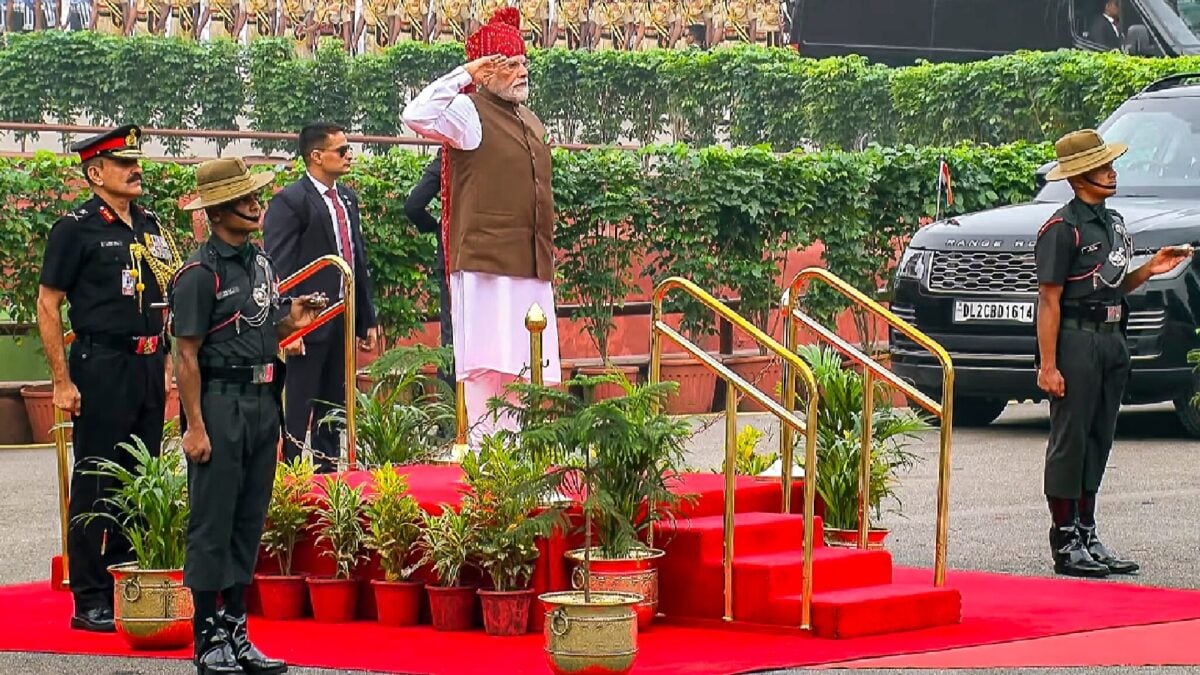
Narendra Modi turned 76 on September 17, 2026.
He first became the leader of Gujarat’s government in 2001 after working in the Bharatiya Janata Party’s organisation.
He won three Gujarat elections before seeking national office.
In 2014, he became India’s prime minister after the BJP won a majority in Parliament.
The BJP won an even larger majority in 2019, allowing him to serve a second term.
During that period, the government changed Jammu and Kashmir’s constitutional status and managed the COVID-19 crisis.
In 2024, Modi became prime minister for a third consecutive term, although the BJP needed its coalition partners to form the government.
Supporters describe his record as development and public service, while critics question the effects of some policies and decisions.

Narendra Modi became Gujarat chief minister on October 7, 2001, beginning 25 years of continuous service at the head of a government.
The BJP won Gujarat Assembly majorities under Modi in 2002, 2007 and 2012, helping establish his national political profile.
The BJP named Modi its prime ministerial candidate in 2013, and the party won 282 Lok Sabha seats in 2014.
The BJP expanded its majority to 303 seats in 2019, while Modi’s second term included the Article 370 decision and the COVID-19 pandemic response.
In 2024, the BJP won 240 seats but the NDA formed the government, enabling Modi to begin a third consecutive term as prime minister.
- Who
- Narendra Modi, the Bharatiya Janata Party and its National Democratic Alliance partners.
- What
- A review of ten turning points in Modi’s political rise from BJP organiser to Gujarat chief minister and three-term prime minister of India.
- Where
- Gujarat and New Delhi, with national political developments involving Jammu and Kashmir and India as a whole.
- When
- The milestones span 2001 through Modi’s third-term oath on June 9, 2024; the article was published on September 17, 2026.
- Why
- The milestones explain Modi’s rise, electoral success, major governing decisions and 25 years leading a government.
Supporters’ View
Critics’ View
Gujarat model
Supporters’ View
Supporters say Gujarat’s infrastructure, investment climate, industrialisation and administrative reforms demonstrated a development model that could be applied nationally.
Critics’ View
Critics question whether the model captured social indicators adequately and whether its benefits were distributed evenly.
Article 370 decision
Supporters’ View
Supporters say ending Jammu and Kashmir’s special constitutional status fulfilled a longstanding BJP promise and integrated the region more closely with India.
Critics’ View
Opposition parties and critics question the decision’s process and its consequences for federalism, civil liberties and the region.
COVID-19 response
Supporters’ View
Supporters point to large-scale vaccination, welfare distribution, digital infrastructure and direct benefit transfers during the pandemic.
Critics’ View
Critics highlight the economic and humanitarian effects of the 2020 lockdown, the migrant-worker crisis and the severe second wave in 2021.
Key facts
- Birthday
- Narendra Modi turned 76 on September 17, 2026.
- Gujarat appointment
- He became Gujarat chief minister on October 7, 2001.
- Gujarat tenure
- He served as Gujarat chief minister for nearly 13 years.
- 2014 Lok Sabha result
- The BJP won 282 seats and Modi became prime minister on May 26, 2014.
- 2019 Lok Sabha result
- The BJP won 303 seats, enabling Modi’s second term.
- 2024 Lok Sabha result
- The BJP won 240 seats, while the NDA secured enough seats to form the government.
- Seva Sankalp Abhiyan
- The BJP campaign runs from September 17 to October 17, 2026.
Quotes

Narendra Modi
India’s prime minister, recalling his appointment as Gujarat chief minister in 2001
“The biggest responsibility at that time was the rehabilitation of Gujarat.”
 news18.com
“I am not the Prime Minister. I am the Pradhan Sevak.”
news18.com
Sources
Related news
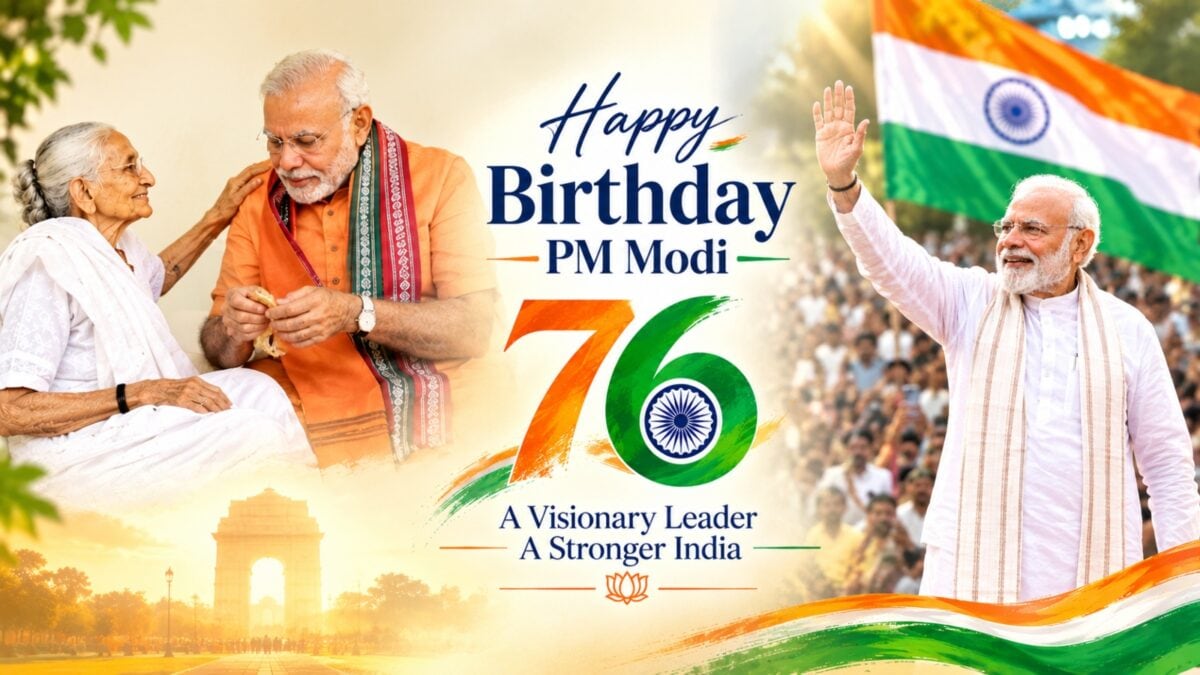
Narendra Modi Turns 76 After Decades In Public Life
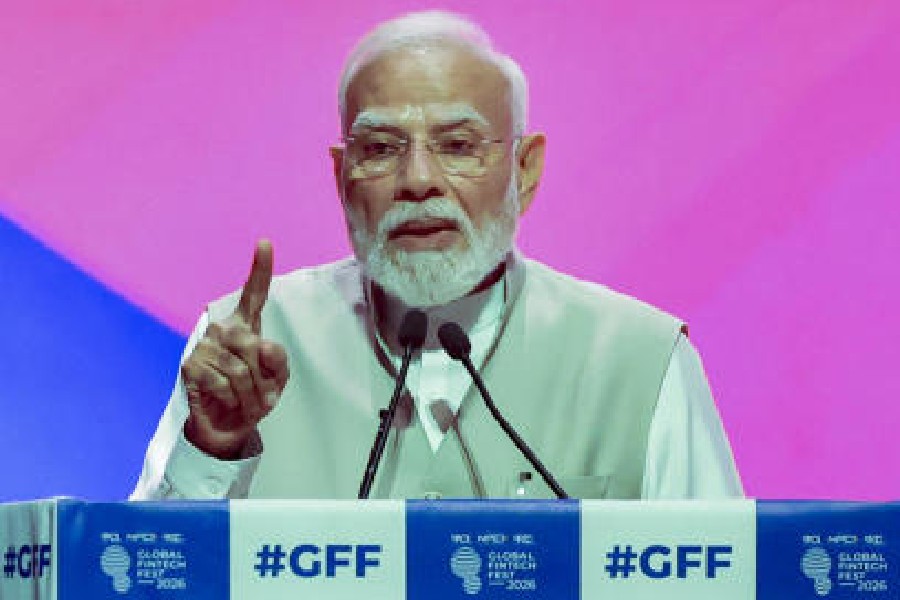
BJP Launches Month-Long Modi Birthday Outreach Campaign
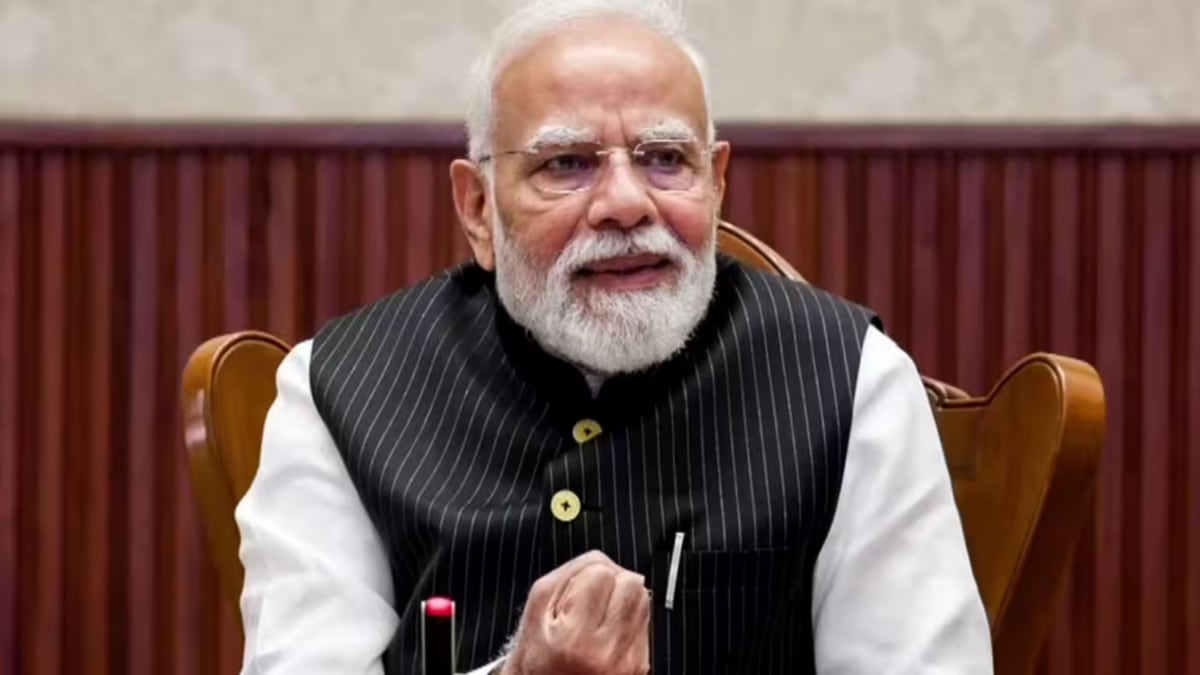
PM Modi Turns 76 as BJP Launches Seva Sankalp Abhiyan
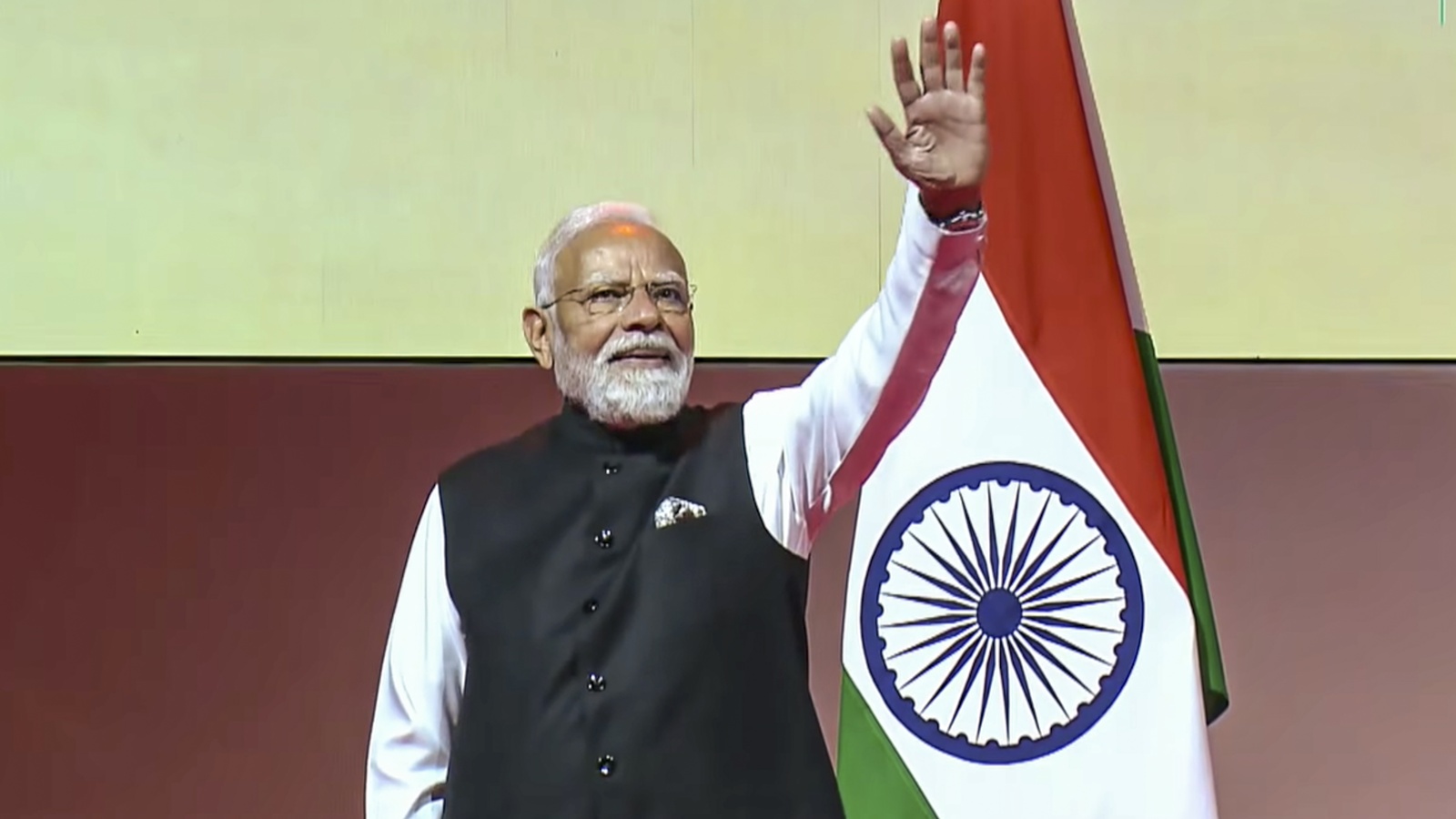
Gujarat BJP Plans Bike Rallies Marking Modi’s 25 Years
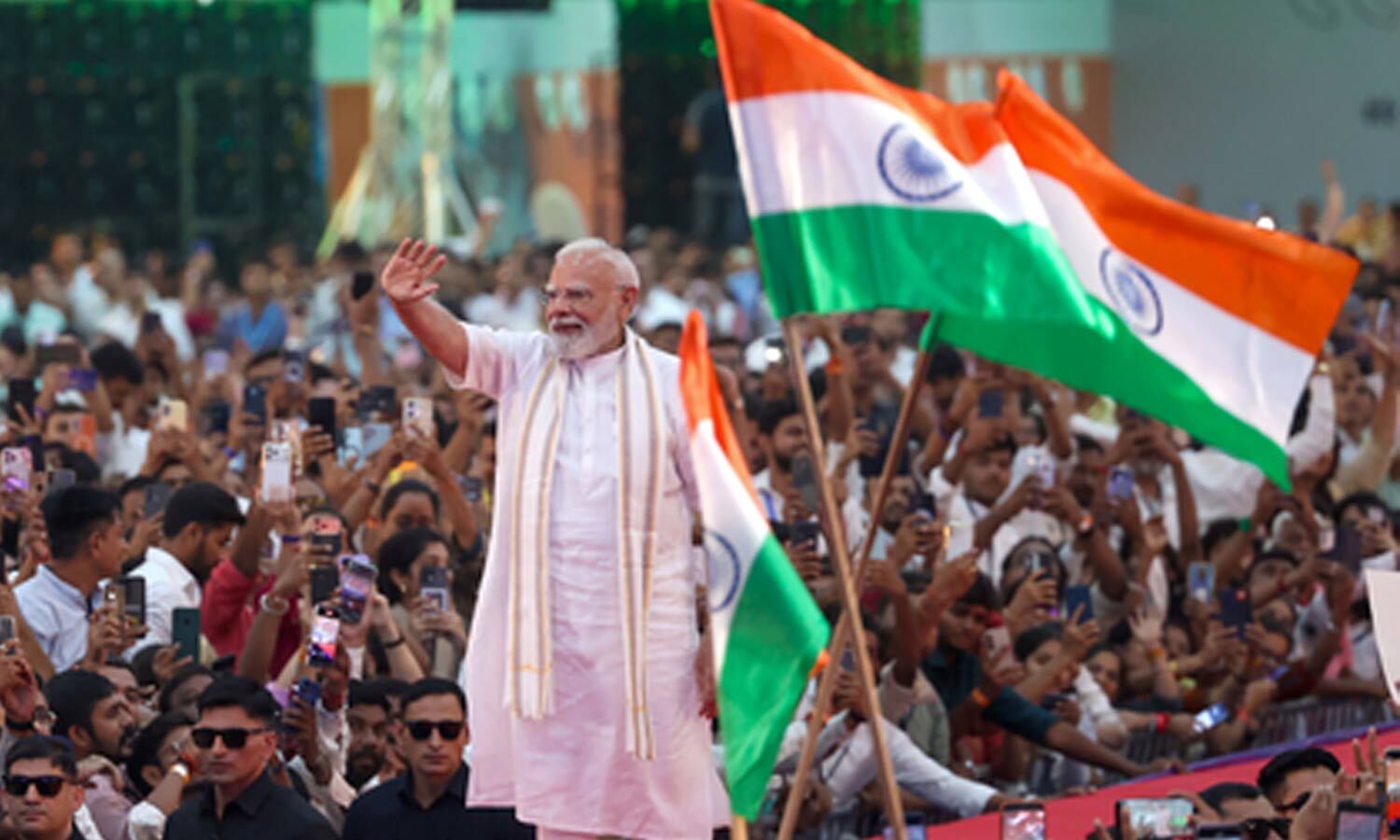
BJP Launches Seva Sankalp Campaign Marking Modi’s 25 Years
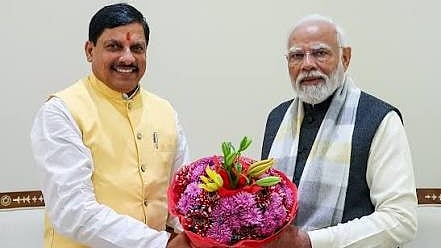
Mohan Yadav Praises Modi’s Global Prestige on Birthday
Amit Shah Sets 2029 UCC Deadline as Maharashtra Delays Consultations