2 hrs ago
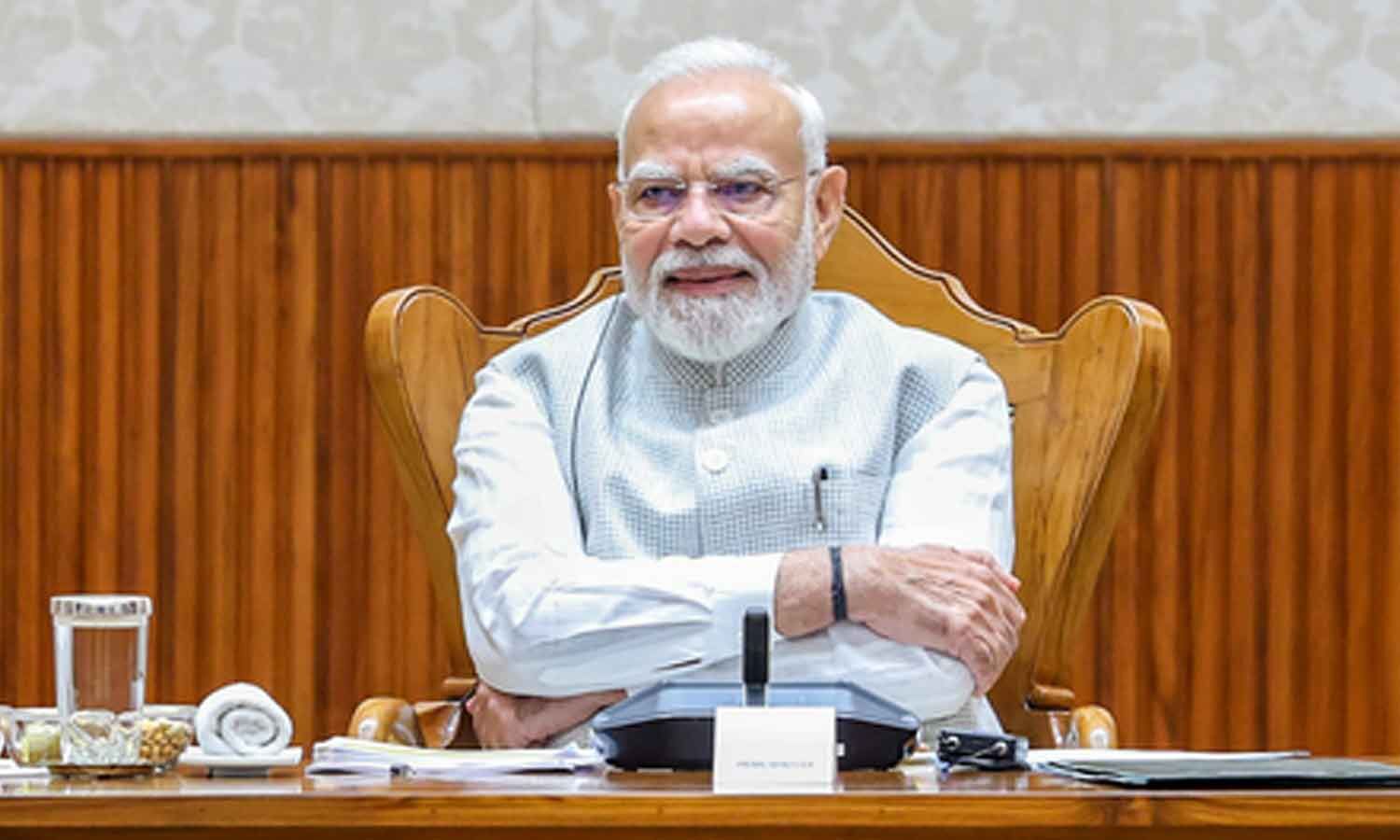
Modi at 76: From Gujarat Chief Minister to National Leader
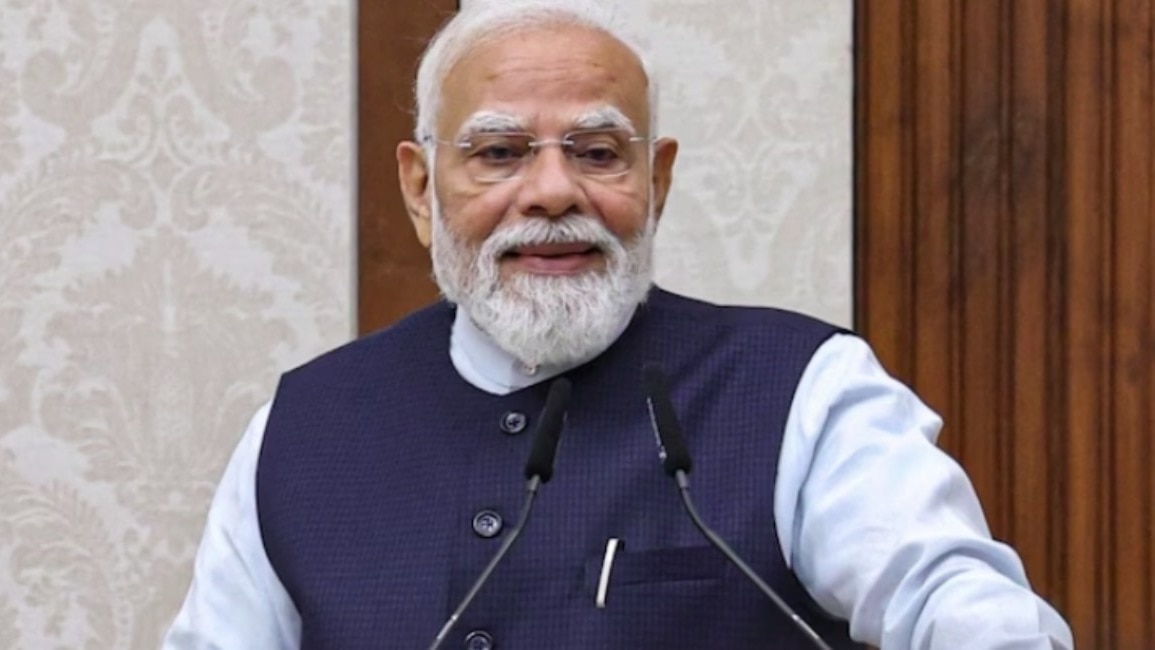
Narendra Modi was born in Vadnagar, Gujarat, in 1950.
He began his public life with the Rashtriya Swayamsevak Sangh and later worked for the Bharatiya Janata Party.
In 2001, he became the chief minister of Gujarat.
He became India's prime minister after the Bharatiya Janata Party won the 2014 election.
The party won an even larger victory in 2019, allowing him to serve a second term.
In 2024, the party won fewer seats, so Modi's third government needed support from coalition partners.
His supporters praise welfare programs, development work, strong leadership, and India's growing international profile.
Critics have raised concerns about religious polarisation, minority rights, and democratic institutions.
By 2026, he had spent 25 years continuously leading governments at the state or national level.

Narendra Modi entered public life through the Rashtriya Swayamsevak Sangh and rose through the Bharatiya Janata Party.
He served as Gujarat chief minister from October 2001 until 2014 before becoming prime minister.
The Bharatiya Janata Party won 282 seats in 2014 and 303 seats in 2019, giving Modi two majority governments.
In 2024, the Bharatiya Janata Party won 240 seats, while the National Democratic Alliance won 293 and formed a coalition government.
Modi's appeal combines welfare delivery, personalised communication, nationalism, governance, and an emphasis on India's global role.
- Who
- Narendra Modi, the Bharatiya Janata Party, and its coalition partners.
- What
- The article traces Modi's political rise, electoral victories, policy record, and continuing popularity.
- Where
- His political career spans Vadnagar and Gujarat in India, followed by national government in New Delhi.
- When
- Modi became Gujarat chief minister in October 2001, prime minister in 2014, and began his third national term on June 9, 2024; he turned 76 in 2026.
- Why
- His political appeal is attributed to welfare delivery, personalised communication, nationalism, governance, and India's international positioning.
Supporters
Critics
Governance and welfare
Supporters
Supporters point to infrastructure, industrial expansion, administrative reforms, and welfare programs involving food security, housing, sanitation, cooking gas, financial inclusion, and digital payments.
Critics
Critics argue that the 2024 election highlighted continuing concerns about jobs, prices, and rural economic pressures.
National identity and politics
Supporters
Supporters view Modi's emphasis on India's civilisational identity and global standing as strengthening the country's position.
Critics
Critics have raised concerns about religious polarisation, minority rights, and democratic institutions.
Political mandate
Supporters
Supporters cite the BJP's victories in 2014 and 2019 and Modi's return for a third term as evidence of sustained electoral support.
Critics
The BJP's reduced 2024 tally meant that Modi's third government depended on coalition partners in the National Democratic Alliance.
Key facts
- Birth
- September 17, 1950, in Vadnagar, Gujarat
- Gujarat leadership
- Chief minister from October 2001 to 2014
- 2014 election
- The Bharatiya Janata Party won 282 seats
- 2019 election
- The Bharatiya Janata Party won 303 seats
- 2024 election
- The Bharatiya Janata Party won 240 seats; the National Democratic Alliance won 293
- Third term
- Modi took oath as prime minister on June 9, 2024
- Leadership milestone
- In March 2026, he surpassed Pawan Kumar Chamling as India's longest-serving head of government when measured across uninterrupted state and national service
Sources
Related news
Narendra Modi’s 25-Year Political Journey: Ten Defining Turning Points
Narendra Modi Turns 76 After Years In Indian Politics

Narendra Modi’s Journey From RSS Worker to Third-Term Prime Minister
Mohan Yadav Praises Modi’s Global Prestige on Birthday
PM Modi Turns 76 as BJP Launches Seva Sankalp Abhiyan
Gujarat Leaders Celebrate PM Modi’s 25-Year Political Journey
NDA Leaders Gather in Varanasi for Modi Birthday Celebrations
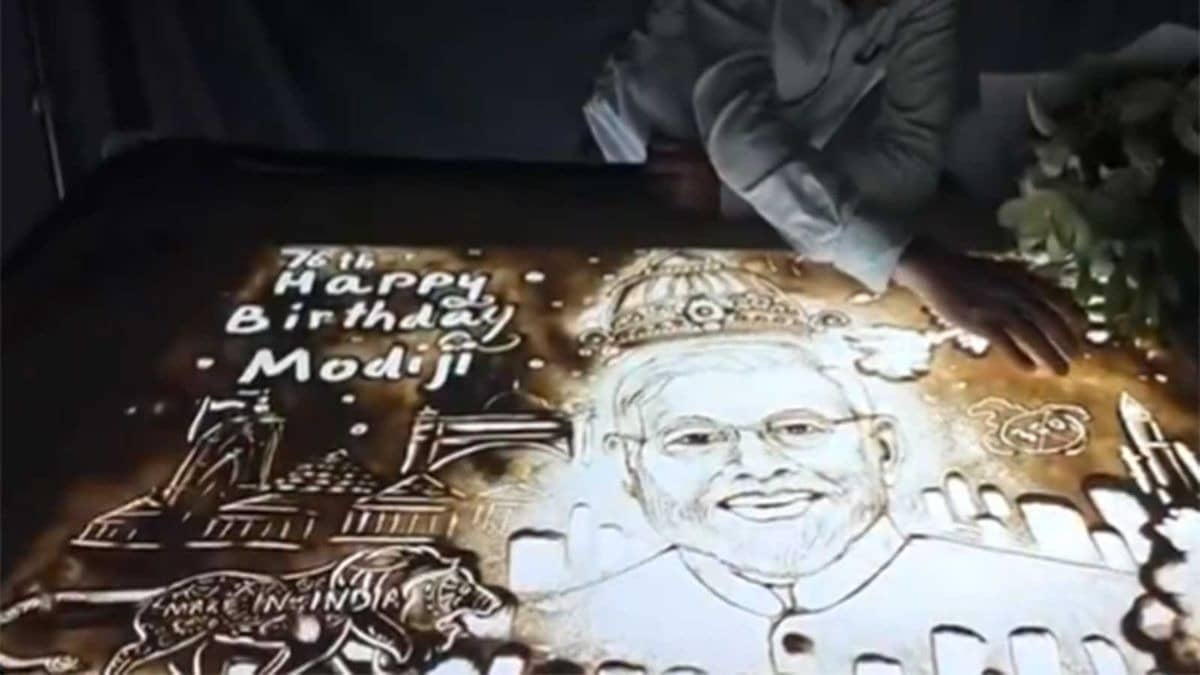
PM Modi’s 76th Birthday Marked With Sand Art Tribute
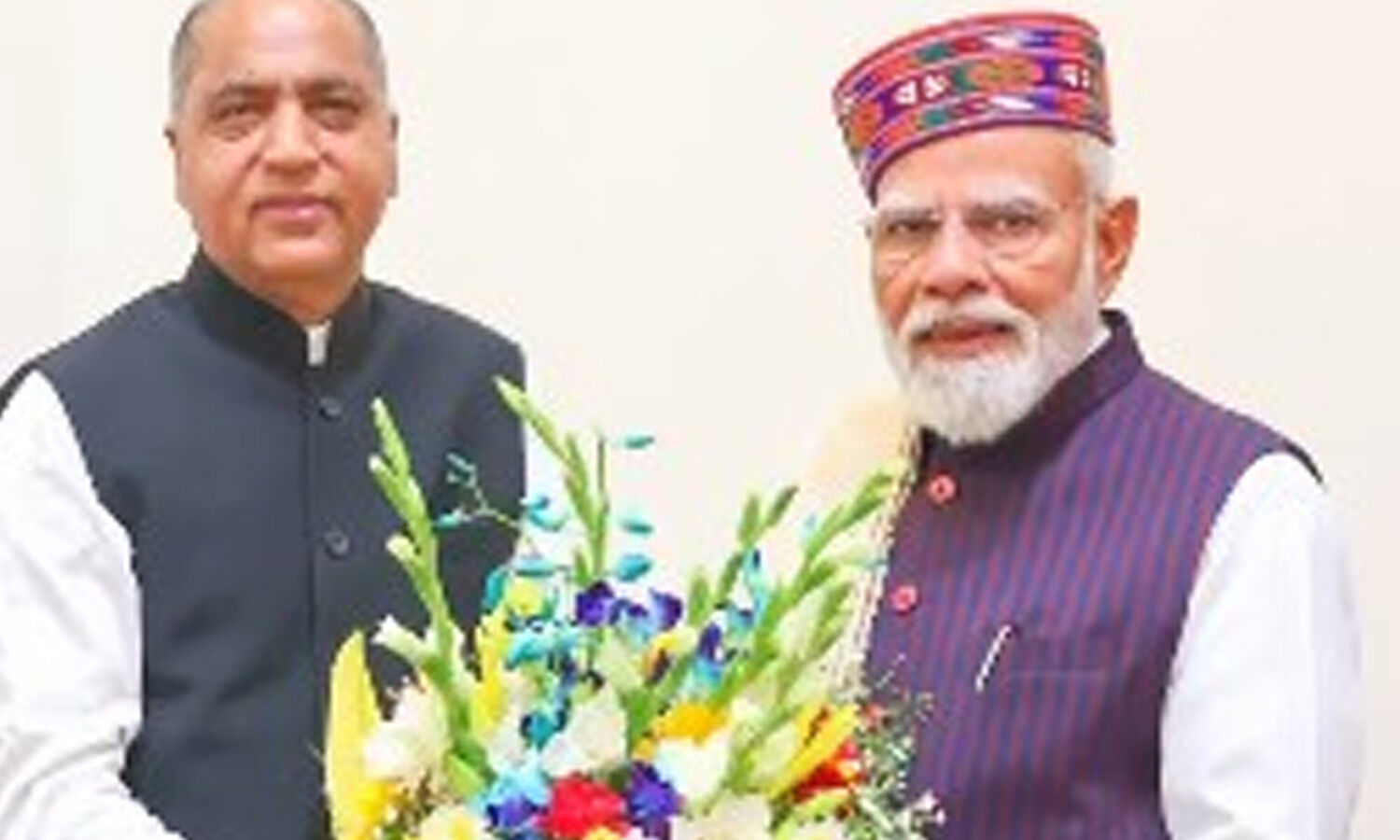
Himachal BJP Praises Modi’s Leadership on His Birthday
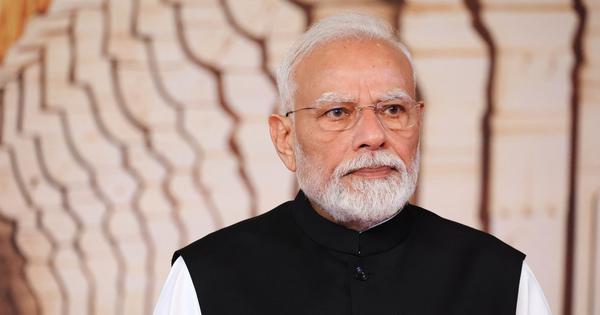
Schools, BJP Governments Organize Diyas for Modi’s Birthday
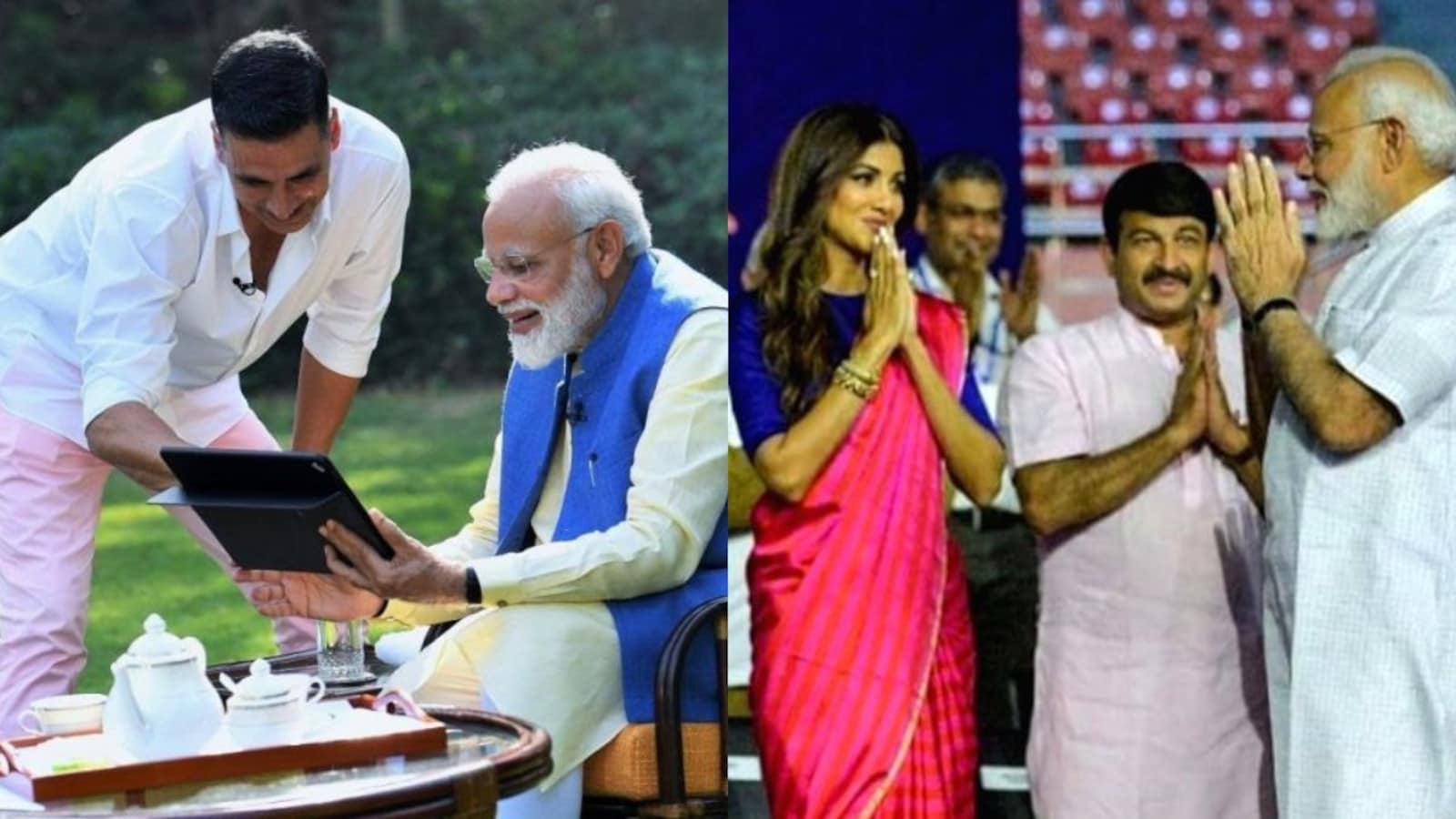
Celebrities Wish PM Modi on His 76th Birthday