1 hr ago
Narendra Modi’s Journey From RSS Worker to Third-Term Prime Minister

Narendra Modi grew up in Vadnagar, Gujarat, and began working with the RSS.
He later joined the BJP and became an important party organiser.
In 2001, he became the chief minister of Gujarat.
He led the BJP to several victories in Gujarat before becoming prime minister in 2014.
The BJP won again in 2019, giving Modi a second term.
In 2024, he became prime minister for a third consecutive term, although the BJP no longer had a majority on its own.
His governments launched programs such as Swachh Bharat and Digital India and made major legal and economic changes.
Critics have raised concerns about riots, civil rights, protests, and some government decisions.
The article presents his career as a rise from a grassroots RSS worker to India’s most prominent elected leader.

Narendra Modi began as a Rashtriya Swayamsevak Sangh worker before joining the Bharatiya Janata Party in 1987.
He became Gujarat chief minister in 2001 and led the BJP to four successive state election victories.
Modi became prime minister in 2014, won a second term in 2019, and was sworn in for a third term on June 9, 2024.
His governments introduced or pursued initiatives and measures including Swachh Bharat, Digital India, demonetisation, GST, Article 370’s abrogation, and the Citizenship Amendment Act.
The timeline also records criticism over the 2002 Gujarat riots, protests against several policies, and military responses to attacks and border clashes.
- Who
- Narendra Damodardas Modi, the Bharatiya Janata Party, the Rashtriya Swayamsevak Sangh, and their political allies and opponents.
- What
- A profile of Modi’s rise from an RSS organiser and BJP leader to India’s prime minister for three consecutive terms.
- Where
- Vadnagar and other parts of Gujarat; New Delhi; and national locations including Jammu and Kashmir, Ayodhya, and the Galwan Valley.
- When
- The timeline spans from Modi’s childhood and early political activity through his third swearing-in on June 9, 2024, and events listed through 2025-2026.
- Why
- To trace the political milestones, electoral victories, government initiatives, controversies, and security events associated with Modi’s career.
Supporters’ View
Critics’ View
Political leadership
Supporters’ View
Supporters view Modi’s successive BJP victories and third consecutive term as evidence of strong leadership and broad electoral support.
Critics’ View
Critics point out that the BJP lost its parliamentary majority in 2024 and had to rely on NDA coalition allies to form the government.
Major government decisions
Supporters’ View
Supporters associate Modi’s governments with initiatives such as Make in India, Swachh Bharat, Digital India, GST, and the construction of the Ram Mandir.
Critics’ View
Opponents have protested or criticized measures including demonetisation, the farm laws, the Citizenship Amendment Act, and the abrogation of Article 370.
Communal and civil-rights concerns
Supporters’ View
Supporters cite the Supreme Court’s 2022 dismissal of allegations of a larger conspiracy against Modi related to the 2002 Gujarat riots.
Critics’ View
Critics cite the deaths during the 2002 riots, restrictions and detentions following the Article 370 decision, CAA-related protests, and allegations concerning surveillance revealed in the Pegasus investigation.
Key facts
- Birth information
- The article identifies Modi as born in Vadnagar, Gujarat, but gives conflicting years: 1959 in its opening and September 17, 1950, in the timeline.
- RSS and BJP
- Modi joined the RSS in 1971 and the BJP in 1987; he became general secretary of the Gujarat BJP in 1988.
- Gujarat chief minister
- Modi became Gujarat chief minister on October 7, 2001, and served four successive terms according to the article.
- National elections
- The BJP won 282 Lok Sabha seats in 2014 and returned to power in 2019; in 2024, it won 240 seats and formed a government with NDA allies.
- Prime ministerial terms
- Modi was sworn in as prime minister on May 26, 2014, for a second term on May 30, 2019, and for a third term on June 9, 2024.
- Major policy measures
- The article lists demonetisation in 2016, GST in 2017, the abrogation of Article 370 in 2019, and the rollback of the farm laws in 2021.
- Later milestones
- The article records the inauguration of the Ram Mandir in Ayodhya in January 2024 and India’s launch of Operation Sindoor in May 2025.
Sources
Related news
Narendra Modi Turns 76 After Years In Indian Politics
Narendra Modi’s 25-Year Political Journey: Ten Defining Turning Points
Modi at 76: From Gujarat Chief Minister to National Leader
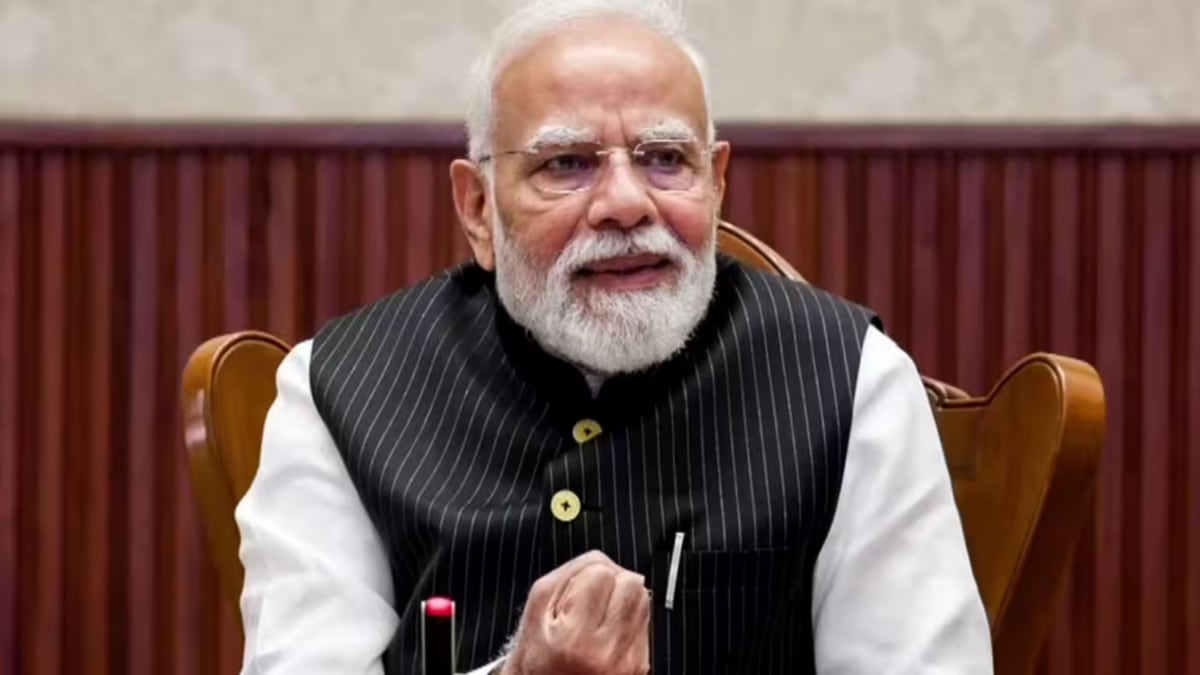
PM Modi Turns 76 as BJP Launches Seva Sankalp Abhiyan
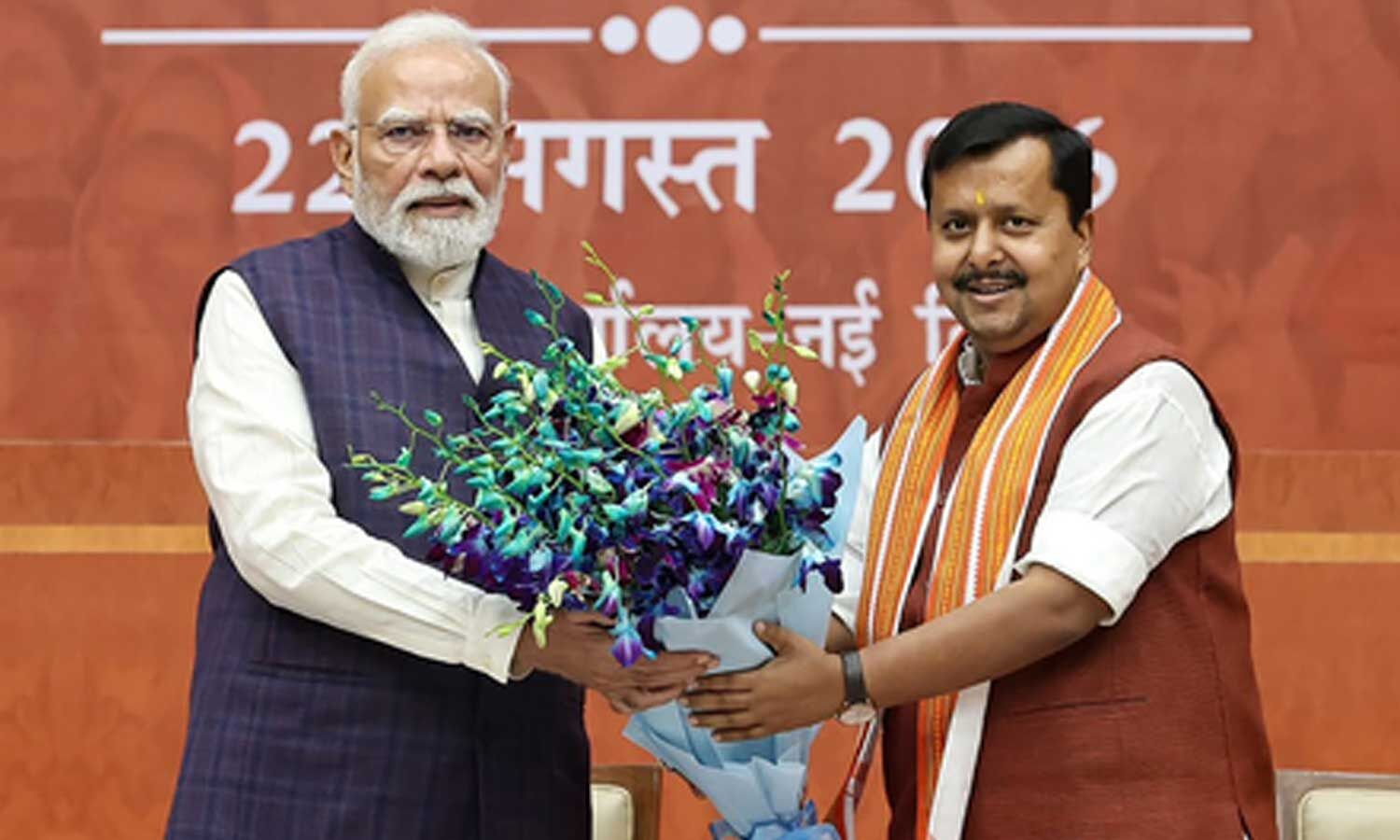
BJP Chief Nitin Nabin Wishes PM Modi on Birthday
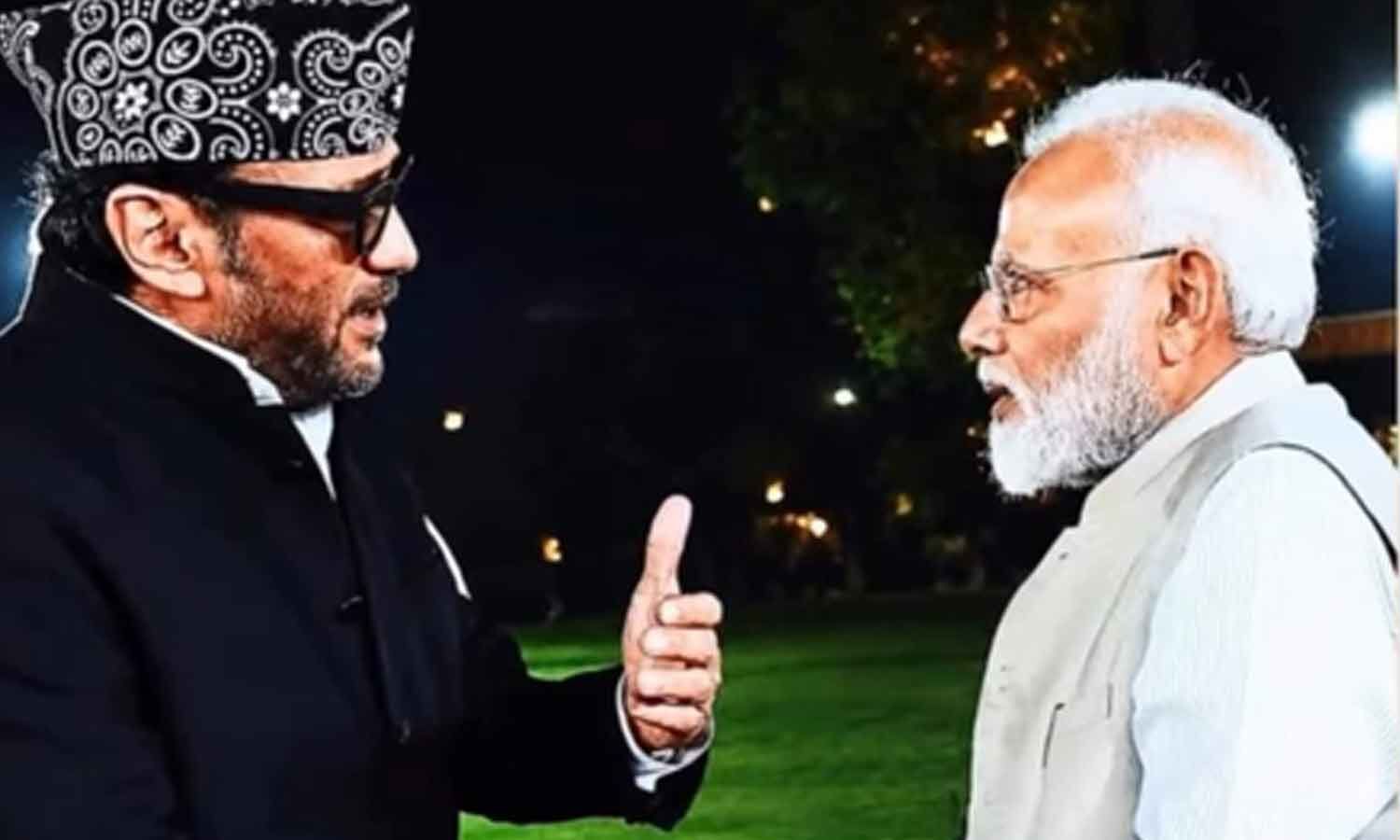
Jackie Shroff Wishes Narendra Modi on 76th Birthday

Brothers arrested in Malda welfare scheme cut-money case
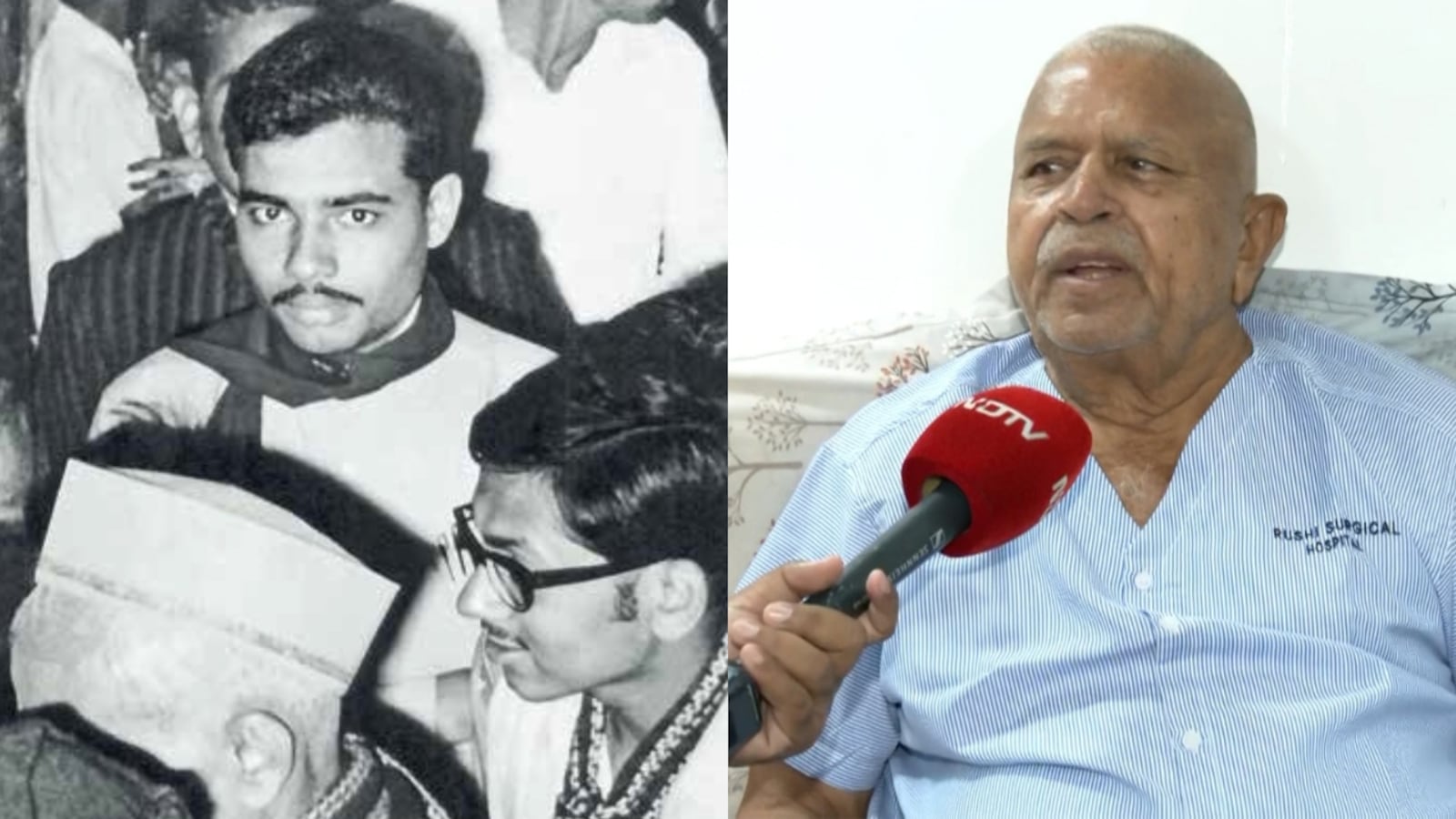
Former Teacher Recalls Modi’s Sharp School Days and Service