1 day ago
Maduro’s Immunity Bid Tests U.S. Courts and International Law

Nicolas Maduro is facing drug-trafficking charges in a U.S. court.
He says the case should be dismissed because he was Venezuela’s leader and leaders of countries usually have legal protections.
His lawyer also questions whether the United States was allowed to capture him during a military raid.
U.S. prosecutors are expected to argue that Maduro is not recognized as Venezuela’s president.
They will also rely on court decisions saying a person can still be prosecuted after being captured improperly.
A judge in New York will decide whether those arguments can stop the case.
Earlier cases involving Manuel Noriega and other defendants were not successful.
Venezuela’s current government has called Maduro the rightful president but has recently cooperated more with the Trump administration.

Nicolas Maduro has pleaded not guilty to U.S. drug-trafficking charges and plans to seek dismissal.
Maduro’s lawyer argues that he is immune as the head of a sovereign state.
U.S. prosecutors are expected to say Maduro is not entitled to immunity because Washington stopped recognizing him as Venezuela’s president in 2019.
Courts have generally allowed prosecutions even when defendants were forcibly brought to the United States.
Legal experts say precedents involving Manuel Noriega and other defendants favor the prosecution.
- Who
- Nicolas Maduro, his lawyer Barry Pollack, and U.S. prosecutors are central to the dispute; Manhattan U.S. District Judge Alvin Hellerstein will decide the motions.
- What
- Maduro is expected to ask the court to dismiss his drug-trafficking case based on sovereign immunity and the circumstances of his capture.
- Where
- The case is before the U.S. District Court in Manhattan, New York, after Maduro was brought from Venezuela to the United States.
- When
- The motions were scheduled to be filed on Wednesday; the report is dated September 1 and references events in 2025 and January 3.
- Why
- Maduro argues that prosecuting him violates head-of-state immunity and the U.S.-Venezuela extradition treaty; prosecutors are expected to dispute both claims.
Maduro’s legal arguments
Prosecution’s expected response
Head-of-state immunity
Maduro’s legal arguments
Maduro’s lawyer argues that a sitting head of state is protected from prosecution in another country’s courts.
Prosecution’s expected response
Prosecutors are expected to argue that the United States has not recognized Maduro as Venezuela’s president since 2019, making immunity unavailable.
Capture and extradition
Maduro’s legal arguments
Maduro may argue that his forcible capture violated the U.S.-Venezuela extradition treaty, which calls for formal requests to transfer fugitives.
Prosecution’s expected response
Prosecutors can rely on longstanding U.S. precedent holding that an allegedly unlawful capture does not require dismissal of criminal charges.
Venezuela’s position
Maduro’s legal arguments
Venezuela’s current government previously called Maduro the country’s rightful president and demanded his return, potentially supporting his immunity claim.
Prosecution’s expected response
The current government has recently been quiet on the issue and has increased cooperation with the Trump administration, which could weaken Maduro’s position.
Key facts
- Defendant
- Nicolas Maduro, 63, who has pleaded not guilty
- Judge
- Alvin Hellerstein of the U.S. District Court in Manhattan
- Main defense claim
- Maduro says he is immune from prosecution as the head of a sovereign state.
- U.S. recognition
- The United States has not recognized Maduro as Venezuela’s president since 2019.
- Capture
- Maduro was captured during a January 3 raid on Venezuela, according to the report.
- Key precedent
- Former Panamanian dictator Manuel Noriega unsuccessfully claimed head-of-state immunity after being brought to the United States.
- Legal doctrine
- U.S. courts have generally held that the manner of a defendant’s capture does not prevent prosecution.
Quotes
Chimène Keitner
University of California, Davis law professor and former State Department lawyer
“In the few cases in which this has come up – and they have been few and far between – the courts have essentially taken the executive branch’s decision to bring charges as itself a determination of non-immunity.”
 theprint.in
Nizar El Fakih
Venezuelan lawyer and senior fellow at the Atlantic Council’s Strategic Litigation Project
“You can imagine how difficult and politically sensitive this is for the current authorities in Venezuela.”
theprint.in
Gary Lincenberg
Bird Marella partner and former Justice Department lawyer
“It sure seems to defeat the purpose of having an extradition treaty that one country is simply saying we can get around that.”
theprint.in
Sources
Related news

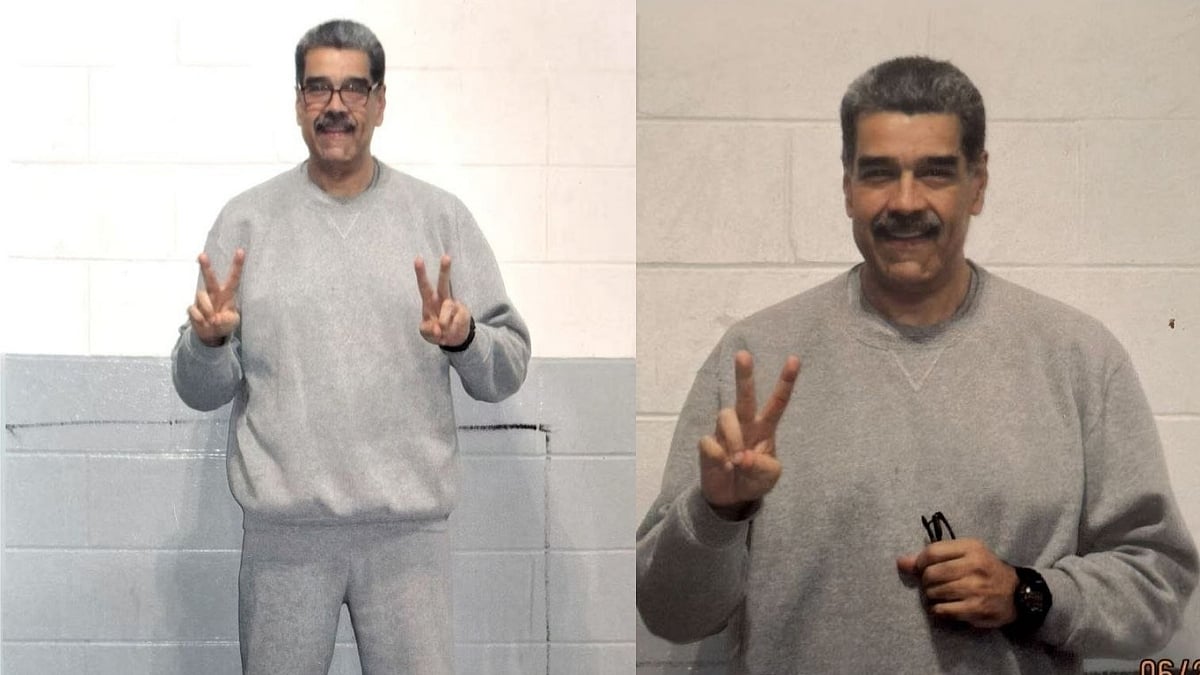
Maduro Shares Jail Photos, Says He Is Standing Firm

DOJ asks appeals court to restore smuggling charges against Abrego Garcia
Nicolás Maduro Shares Prison Photos, Sends Message of Hope

US Judge Dismisses Fraud Charges Against Adani Group Chairman
Trump loses bid to move New York hush money case
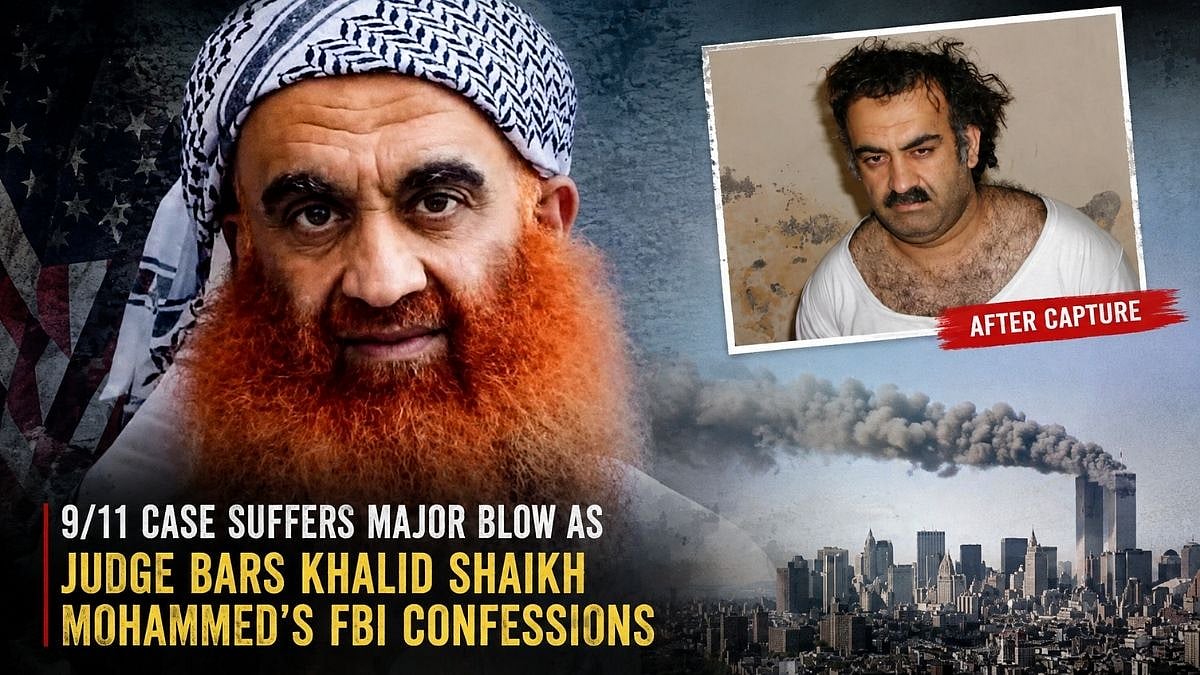
Judge Bars Khalid Sheikh Mohammed’s FBI Confessions Over Torture Concerns

Trump administration drafts new legal justification for Maduro operation
US Captures Venezuelan Leader Maduro