1 hr ago
Micro-Level Planning Ordered To Prevent Marathwada Water Shortage
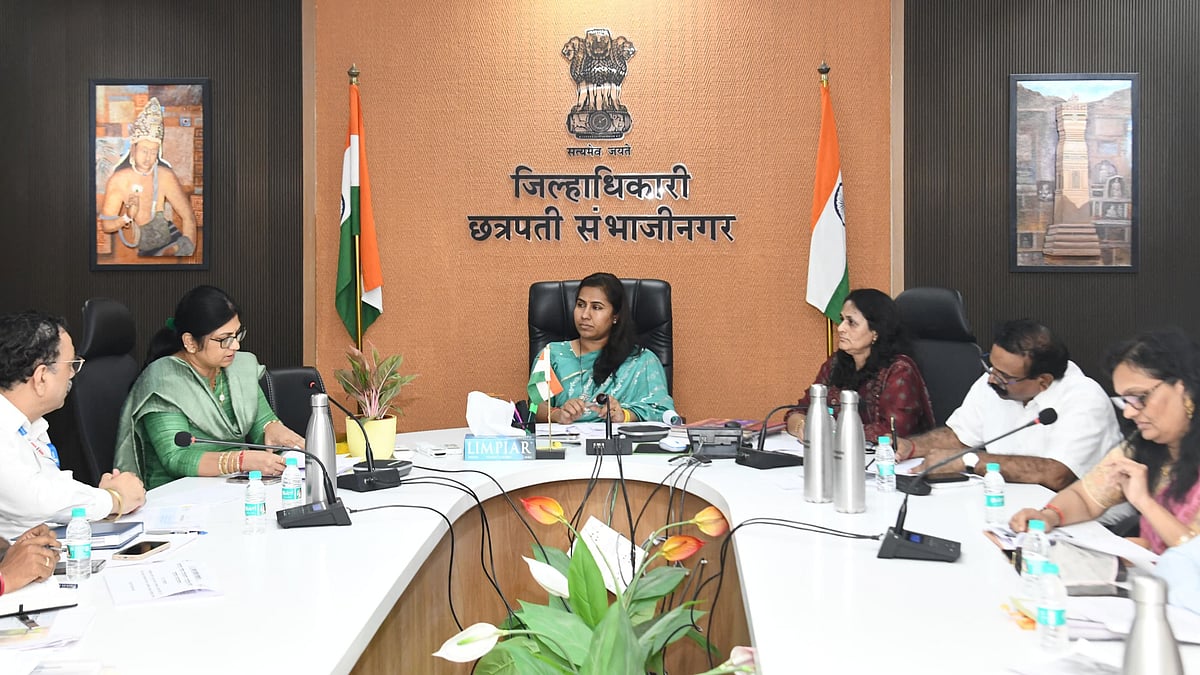
Marathwada did not receive as much rain as usual this year.
This could make it harder to provide enough drinking water.
Minister Meghna Sakore-Bordikar asked officials to plan for each village separately.
They must protect drinking-water supplies first.
Officials should also keep backup water sources ready.
Unfinished water projects should be completed faster.
The region has enough fodder for animals right now, so fodder camps are not needed yet.
Officials will continue watching water and fodder supplies in case conditions worsen.

Maharashtra minister Meghna Sakore-Bordikar ordered village-wise planning of water resources in Marathwada.
The region received 430.80 mm of rainfall from June to September 2026, below its annual average of 679.50 mm.
Officials were told to prioritize drinking water, prepare alternative sources and expedite pending supply projects.
Marathwada has 4,481,136.851 metric tonnes of fodder for 5,359,462 livestock, with no fodder camps currently needed.
Officials must monitor fodder supplies and prepare for a possible shortage from December 2026.
- Who
- Maharashtra Minister of State Meghna Sakore-Bordikar and state and district officials.
- What
- Officials were directed to create village-wise water plans, protect drinking-water supplies and accelerate pending water projects.
- Where
- Marathwada division of Maharashtra, during a review at the Collector's Office.
- When
- The directions were issued on Monday; the rainfall figures cover June to September 2026, with fodder planning needed before December 2026.
- Why
- Rainfall has remained below average, creating a potential risk of water and fodder shortages.
Key facts
- Rainfall received
- 430.80 mm in Marathwada from June to September 2026
- Annual rainfall average
- 679.50 mm
- Expected rainfall for the period
- 629.70 mm
- Livestock population
- 5,359,462 animals
- Available fodder
- 4,481,136.851 metric tonnes
- Daily fodder requirement
- Approximately 20,125 metric tonnes
- Current assessment
- No fodder camps are needed at present
Sources
Related news

Marathwada Reserves Low Reservoir Water Exclusively for Drinking
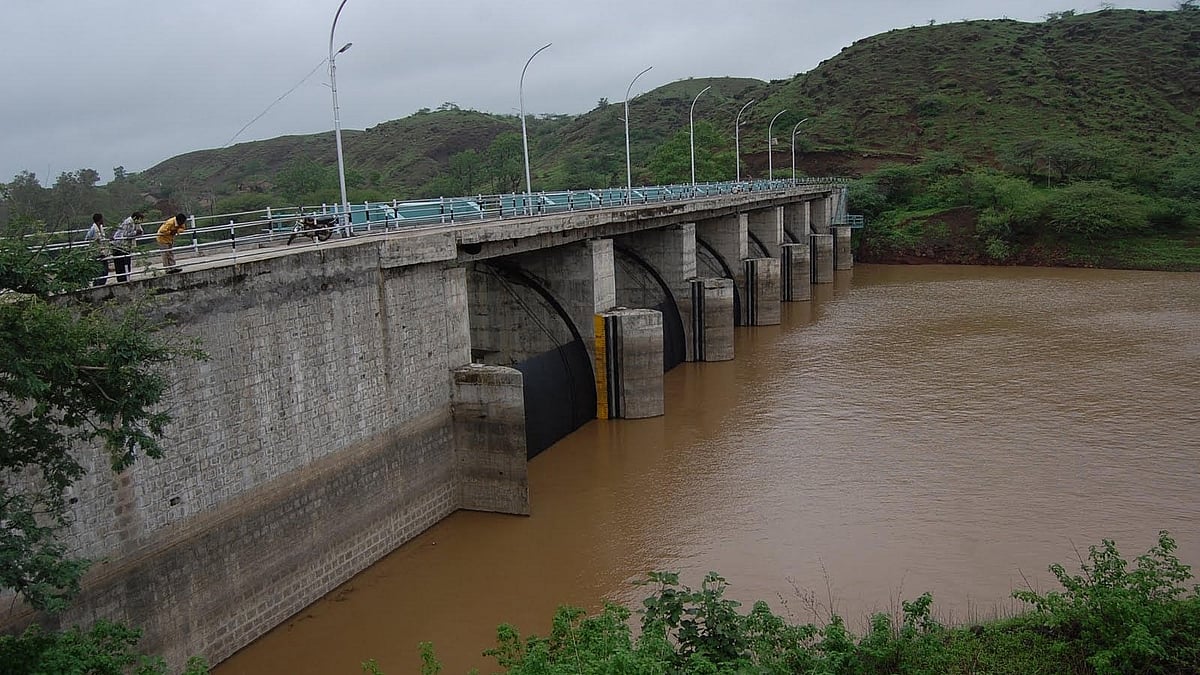
Dholawad Dam Water Reserved for Ratlam Drinking Supply
Maharashtra Faces Drought-Like Conditions as Government Prepares Farmer Relief

Satara Tehsils Face Water Crisis Despite Peak Monsoon
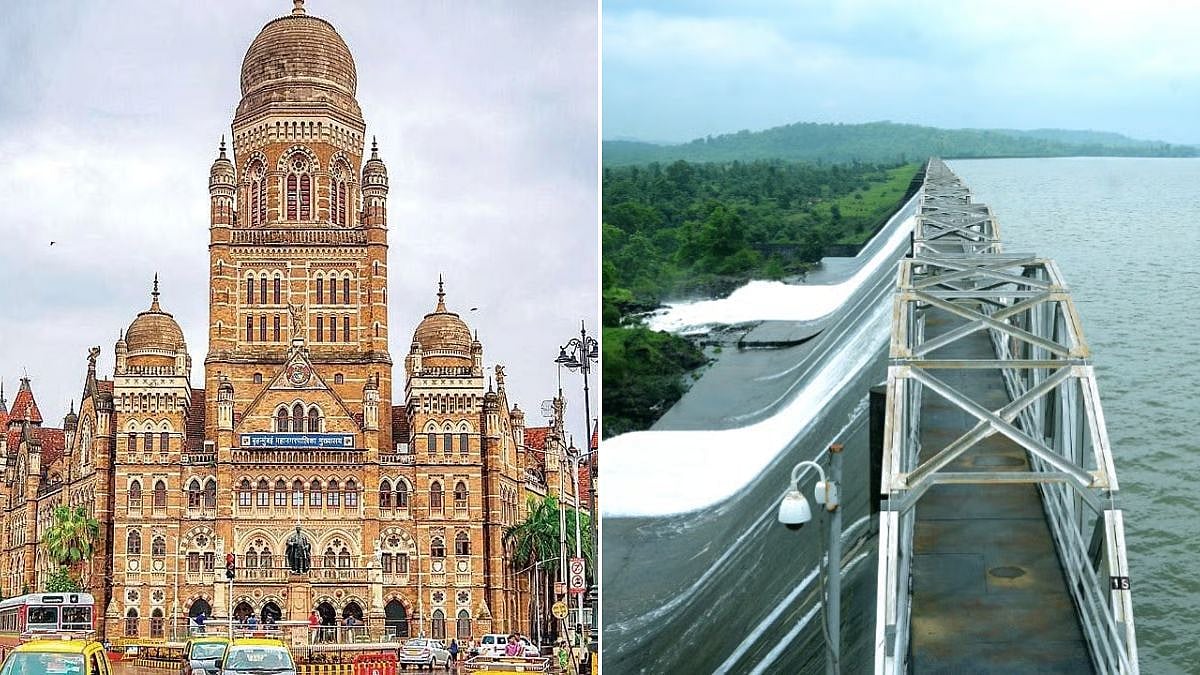
Mumbai Water Crisis: BMC Plans Zone-Wise Supply Amid Shortages
Rohit Pawar Seeks Marathwada Drought Declaration, Farmer Aid
Income Tax Scrutiny Expands Around Maratha Agitation Network
Congress Attacks MahaYuti Government Over Maharashtra Drought Response

Maharashtra Recommends 4,390 Candidates in Converted Round Through Pavitra Portal

Maharashtra Commission Orders Insurer To Pay ₹70 Lakh BMW Claim