1 day ago
Dholawad Dam Water Reserved for Ratlam Drinking Supply
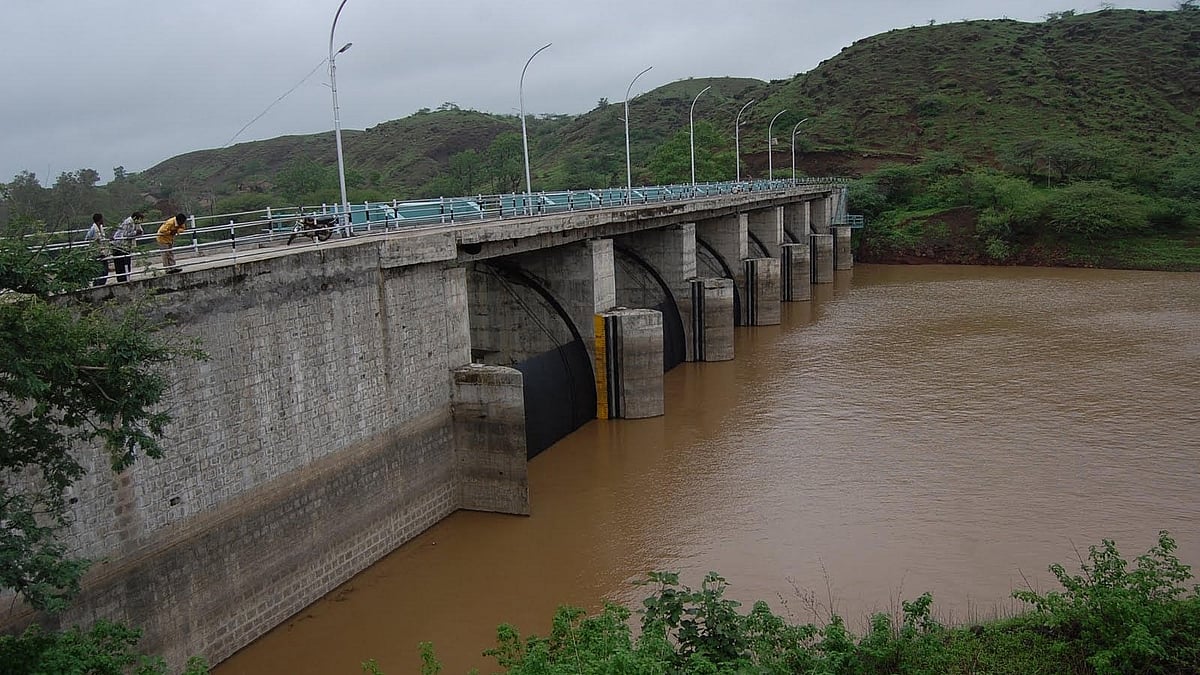
Dholawad Dam supplies drinking water to Ratlam city.
The dam is less than half full because the area received much less rain than usual.
Officials are worried that there may not be enough water for people in the coming months.
They have decided not to use the dam’s water for growing wheat.
Farmers are being encouraged to grow gram and other crops that need less water.
The rainy season is almost over, so the dam may not fill much more.
Officials will act against people who take water without permission.
Pumps and irrigation equipment found near the dam may be seized.
The main goal is to save water for drinking.

Dholawad Dam, Ratlam’s main drinking-water source, is only 45% full.
Authorities will reserve the remaining water for drinking instead of wheat irrigation.
Ratlam district received about 22 inches of rain by mid-September, roughly 40% below normal.
Officials are advising farmers to grow gram and other low-water crops.
Pumps and irrigation equipment near the dam will be seized, with cases registered for unauthorised use.
- Who
- Ratlam district authorities, led by Collector Ajay Katesariya, along with local farmers and departments.
- What
- Water from Dholawad Dam has been reserved for drinking, while wheat irrigation is prohibited.
- Where
- Dholawad Dam and Ratlam district in Madhya Pradesh.
- When
- The decision was issued at a weekly review meeting on Monday; rainfall figures cited were recorded by mid-September and September 12.
- Why
- Deficient monsoon rainfall left the dam only 45% full and raised concerns about future drinking-water supplies.
Key facts
- Dam level
- Dholawad Dam is 45% full.
- Main use
- The dam is Ratlam city’s main drinking-water source.
- Rainfall by mid-September
- About 22 inches, nearly 40% below normal.
- Rainfall by September 12
- 20.28 inches, with a 38% deficit.
- Previous-year comparison
- The district received about 48 inches during the corresponding period last year.
- Water policy
- Remaining dam water will be reserved for drinking rather than wheat irrigation.
- Enforcement
- Pumps or irrigation equipment found near the dam may be seized, and cases may be registered.
Sources
Related news

Marathwada Reserves Low Reservoir Water Exclusively for Drinking
Kadam Project Urges Water Conservation Amid Storage Shortage
Micro-Level Planning Ordered To Prevent Marathwada Water Shortage
Beed Faces Drought Threat as Dams Retain Just 16%
Irrigation Board Prioritises Drinking Water Amid Reservoir Shortages
Rajasthan Rainfall Deficit Spurs Gehlot’s Call for Drought Preparedness
Madhya Pradesh Cabinet Approves ₹962.5 Crore for 140 Sports Complexes
West Discom Nears 1 Lakh Rooftop Solar Installations

Madhya Pradesh Plans Tumour Boards At New Government Medical Colleges
Rail Projects Add Capacity Across Vadodara-Ratlam and Vishwamitri-Dabhoi