

6 days ago
Nepal Flash Flood Leaves 359 Dead, 1,300 Missing
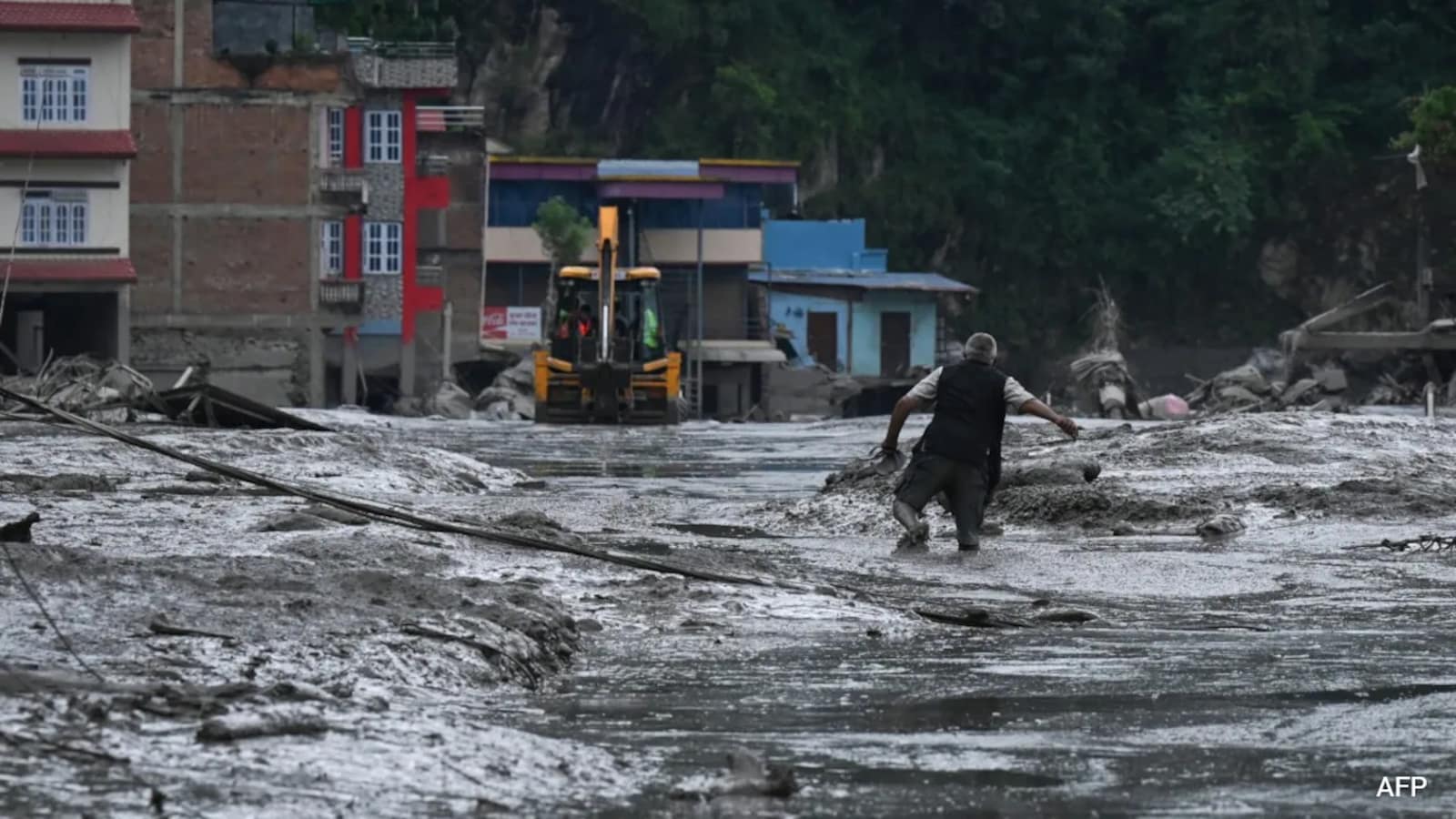
A very large flood swept through parts of Nepal after ice and rocks may have blocked a river and then suddenly let water burst through.
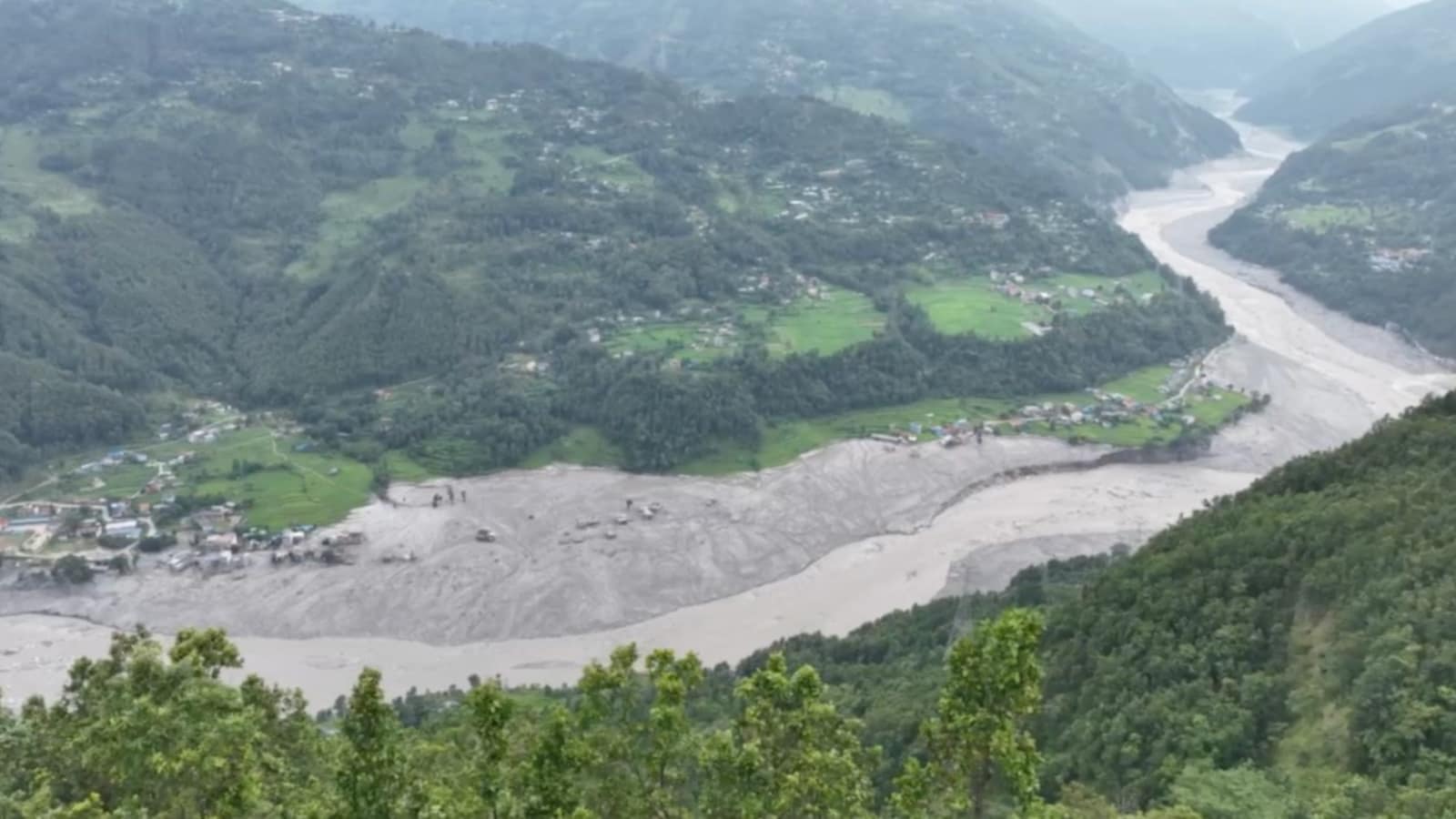
The flood damaged towns, roads, bridges, homes, and a hydropower plant.
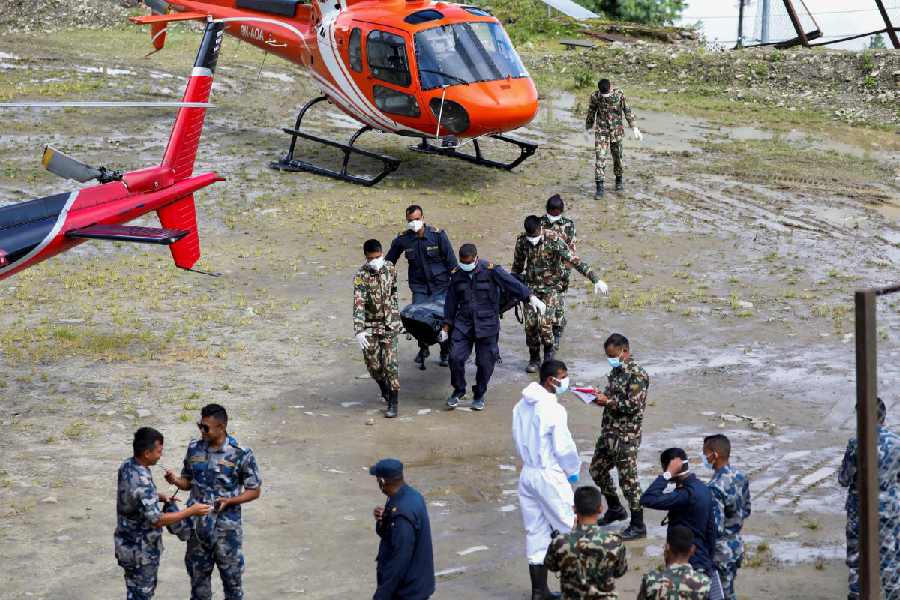
Many people were killed, and many others are still missing.
Families have been searching the riverbanks for relatives.
Phone networks and electricity are not working in some affected places.
Roads have also been destroyed, making rescue and communication difficult.
More than 400 international tourists near the border were reportedly unaccounted for.
Scientists are studying the glaciers and lakes to understand what happened.
They also warn that another flood could occur if water remains trapped behind debris.

A catastrophic flash flood devastated settlements and infrastructure across central Nepal, including Rasuwa, Nuwakot, Dhading, Gorkha, and Chitwan.
Nepal’s reported death toll reached 359, with nearly 1,300 people still missing as of Thursday evening.
Mobile networks, electricity, highways, bridges, homes, and hydropower facilities remained damaged or unavailable in the worst-hit areas.
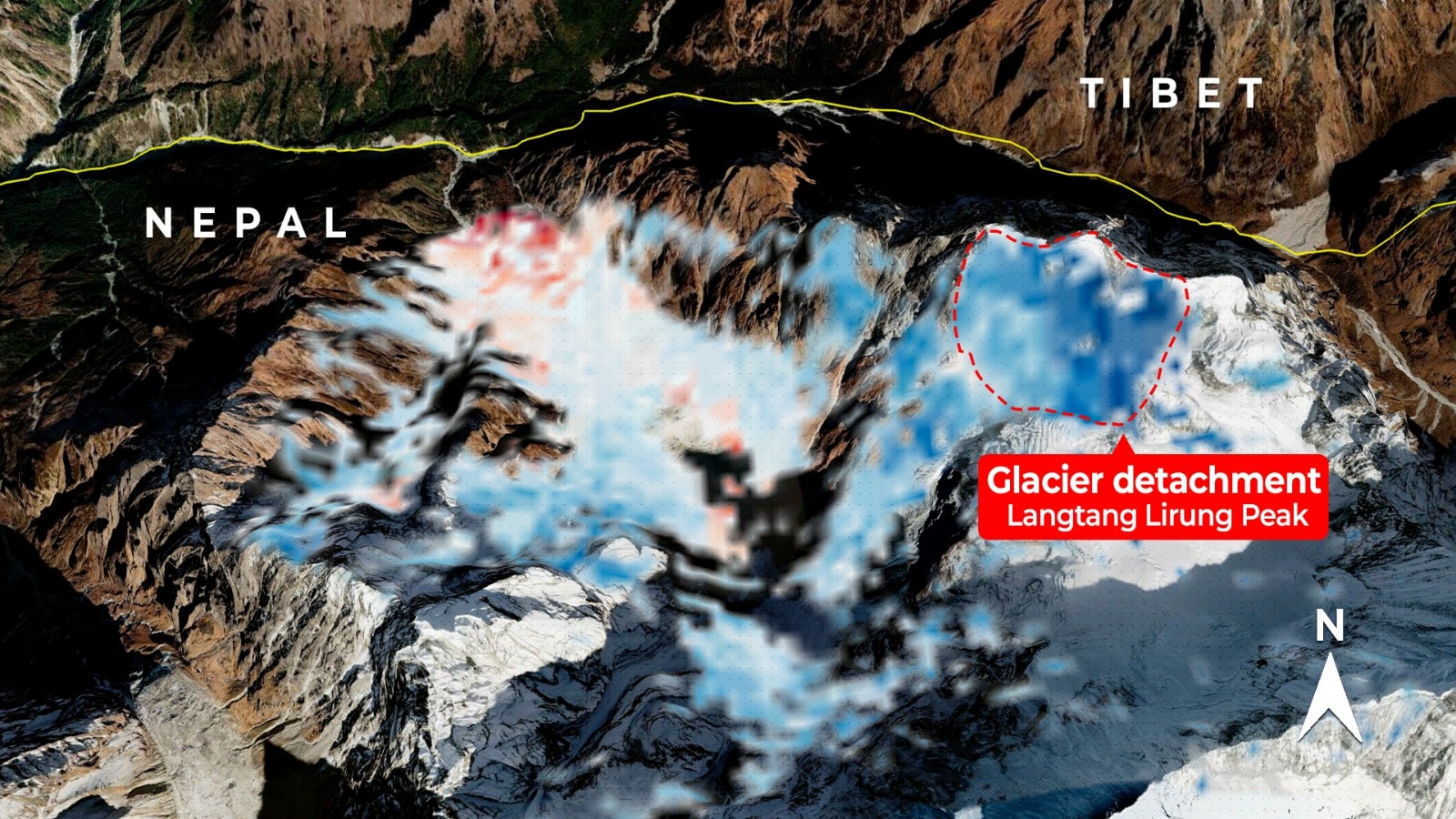
Experts increasingly believe a rock-and-ice avalanche from Mount Langtang Lirung dammed the Lhende Khola before the blocked water broke through.
More flooding may be possible because the debris dam has not been confirmed to have completely emptied, leaving downstream communities at risk.
- Who
- Residents, families of victims, local officials, journalists, tourists, and disaster and climate experts in Nepal were affected or involved in assessing the disaster.
- What
- A catastrophic flash flood destroyed settlements and infrastructure and left hundreds dead and many more missing.
- Where
- The flooding affected central Nepal, especially Rasuwa and settlements along the Lhende Khola, Bhote Koshi, and Trishuli river systems, as well as Nuwakot, Dhading, Gorkha, and Chitwan.
- When
- The disaster occurred on August 26, with conditions and casualty figures reported through Thursday evening.
- Why
- Experts increasingly attribute the flood to a rock-and-ice avalanche or glacial collapse near Mount Langtang Lirung that dammed a tributary before the water broke through.
Initial Explanations
Later Expert Assessment
Cause of the flood
Initial Explanations
Initial Nepali expert guesses included a glacial lake outburst flood, while a small earthquake was also blamed at first.
Later Expert Assessment
Experts, including Arun Bhakta Shrestha, increasingly concluded that a rock-and-ice avalanche or glacial collapse on Mount Langtang Lirung’s northern slope dammed the Lhende Khola before the barrier failed.
Meaning of repeated flooding
Initial Explanations
The earlier disaster in the same region could be viewed as a separate event or coincidence.
Later Expert Assessment
Shrestha argued that two major floods in the Lhende basin within 14 months indicate an unstable catchment requiring sustained monitoring.
Preparedness and infrastructure
Initial Explanations
The article does not identify a specific group opposing stronger hazard planning.
Later Expert Assessment
Experts urged authorities to incorporate changing climate and glacial risks into infrastructure planning and to monitor vulnerable glacial lakes and river basins continuously.
Key facts
- Reported deaths
- 359 people in Nepal as of Thursday evening
- Missing people
- Nearly 1,300 people remained missing
- Unaccounted tourists
- More than 400 international tourists near Timure and the border were unaccounted for
- Worst-affected area
- Rasuwa, including Timure and Syabru Bensi
- Infrastructure damage
- Homes, bridges, roads, highways, mobile networks, power supplies, and hydropower infrastructure were damaged or disrupted
- Possible trigger
- A rock-and-ice avalanche from a glacier north of Mount Langtang Lirung may have dammed the Lhende Khola
- Continuing risk
- Experts warned that remaining debris blockage could cause additional flash floods
Quotes
Arun Bhakta Shrestha
Senior climate, cryosphere, and risk-management specialist at ICIMOD in Kathmandu.
“A rock and ice avalanche detached from a glacier north of Langtang Lirung and dammed the Lhende Khola, a tributary of the Bhote Koshi River on the Nepal-China border. The impounded water subsequently broke through, releasing a sudden, high-energy flood that has devastated Timure, Syabrubesi, and downstream settlements along the Trishuli, damaging homes, bridges, roads, and hydropower infrastructure.”
 NDTV
NDTV
“a second major event on the Lhende (basin) in 14 months is not a coincidental repeat, it points to an unstable catchment that needs sustained monitoring, not one-off assessment after each disaster”
NDTV
Sources
Related news

Bhote Koshi Flood Kills Eight, Nine Missing in Nepal
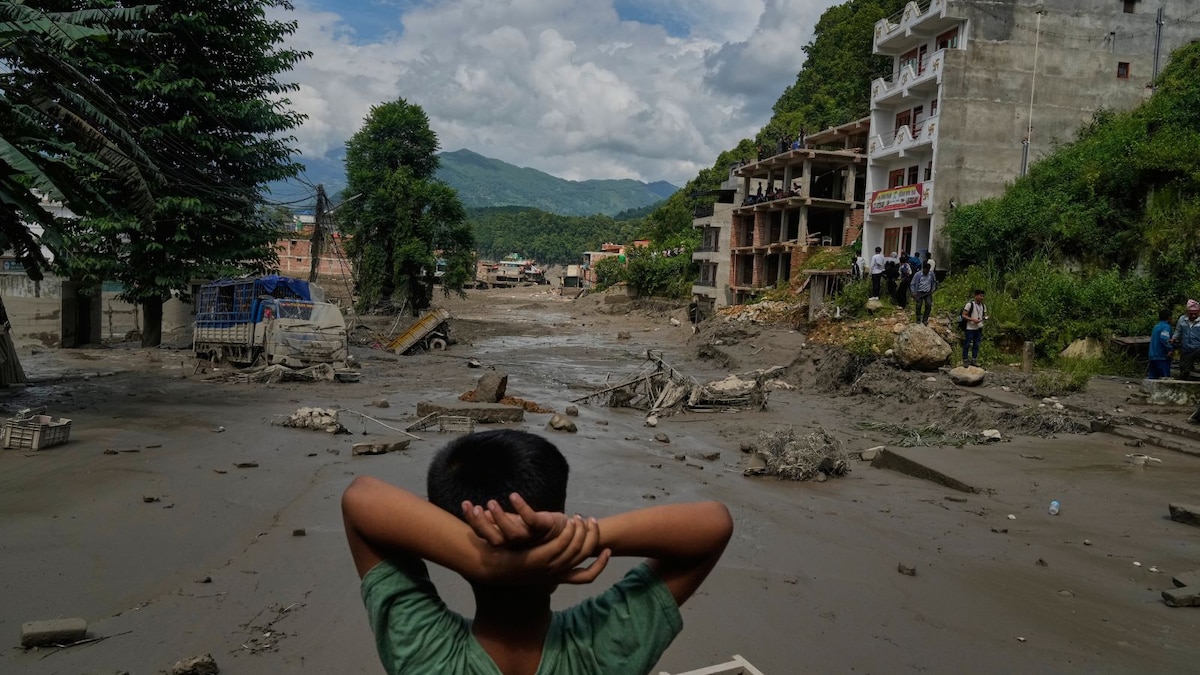
Nepal Flash Floods Kill At Least 160, Hundreds Missing
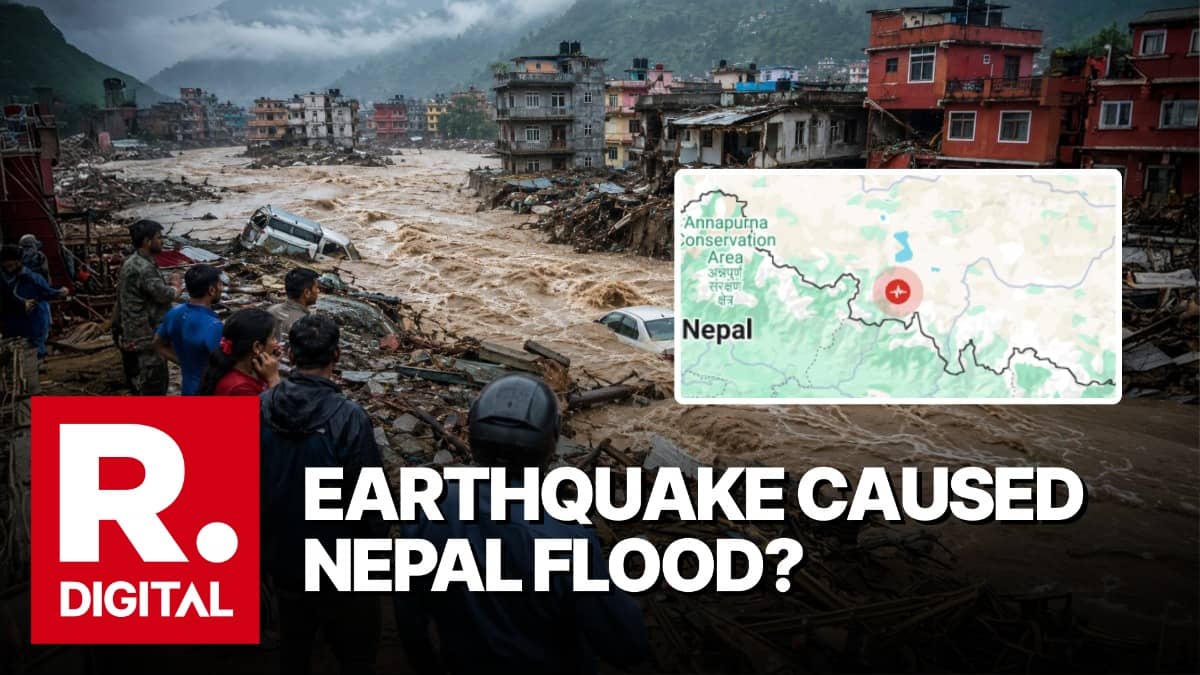
Nepal Flash Floods: Possible Avalanche, Earthquake or GLOF Triggers
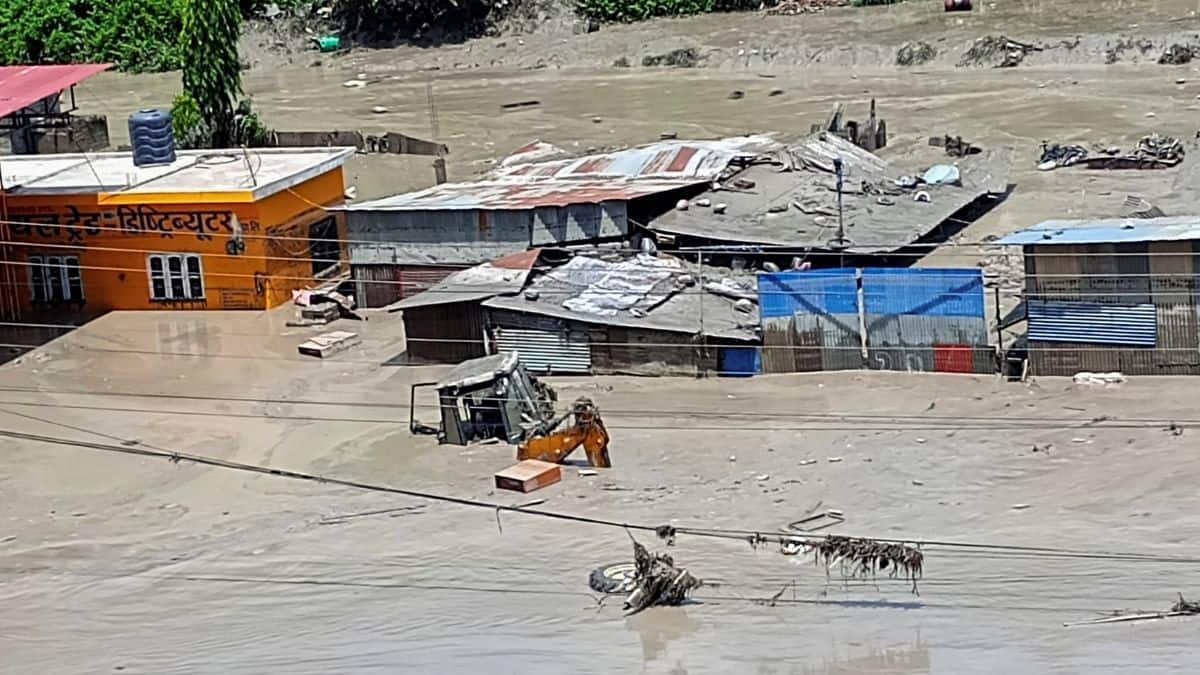
Nepal Flash Flood Kills Eight, Damages Roads and Power Projects

Nepal Flash Flood Kills 162 as Missing Counts Diverge
Nepal Floods Kill 734 as Rasuwa Bears Devastation
Satellite Radar May Strengthen Nepal's Flood Warning Systems
Nepal Plans New Landslide Warning System Along China Border

Nepal Thanks India as Glacial Disaster Rescue Efforts Continue
Nepal Warns of Heavy Rain After Deadly Floods
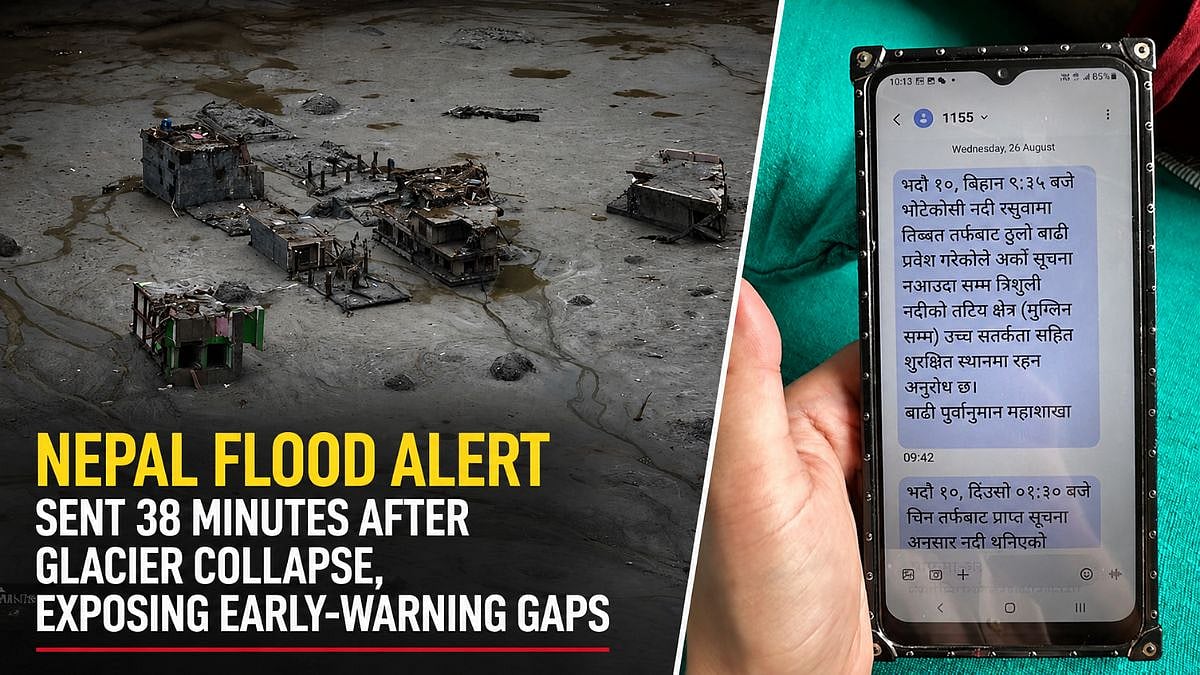
Nepal Flood Exposes Delayed Alerts and Cross-Border Warning Gaps
