

2 hrs ago
Tibet Glacier Ice May Date Back 128,000 Years
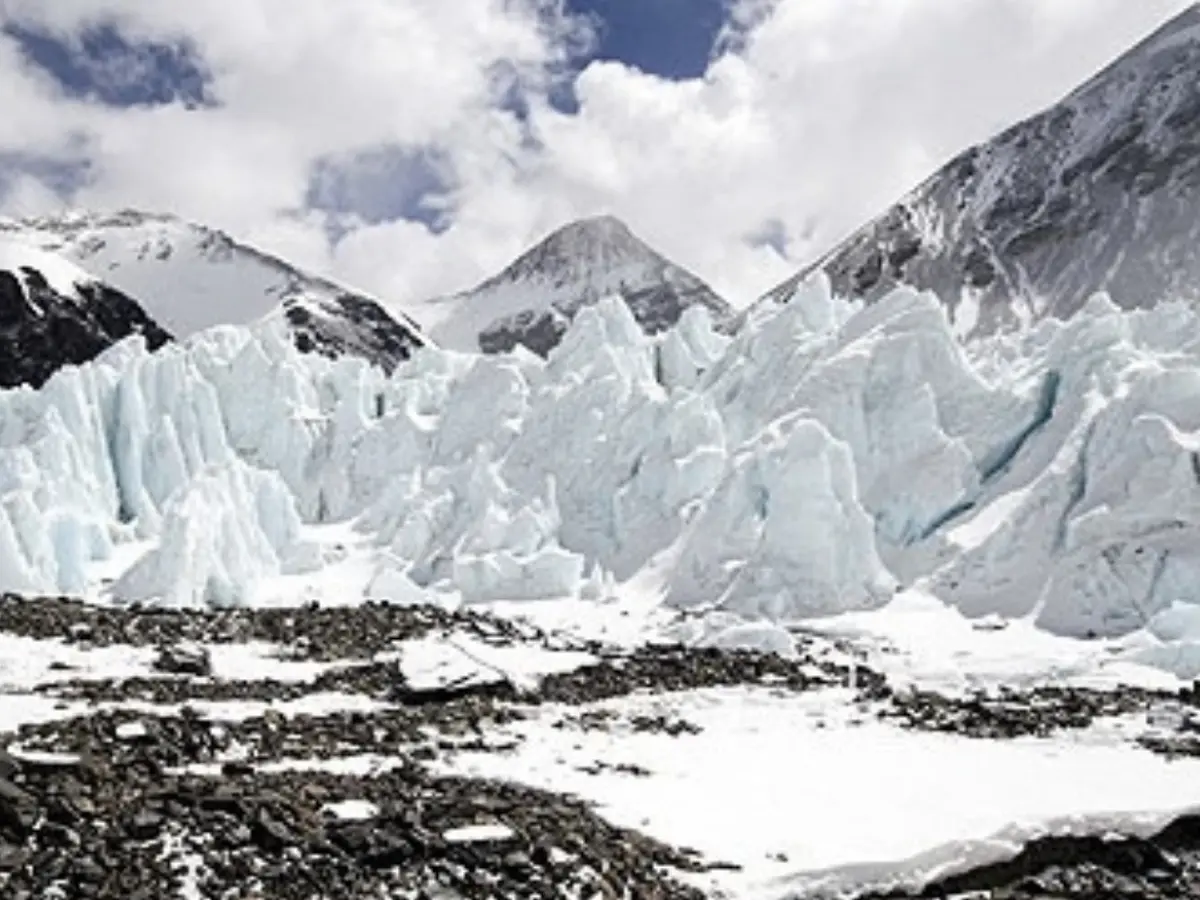
Scientists studied very old ice in the Guliya ice cap in Tibet.
They think some of it may be more than 128,000 years old.
That means the ice could hold clues about the last ice age.
The team examined ice cores drilled in 1992 and 2015.
The cores showed similar patterns, suggesting the climate clues were not unique to one drilling spot.
Researchers also studied radioactive materials in the ice to estimate its age.
They matched some clues to a change in Earth’s magnetic field that happened about 41,000 years ago.
They compared the ice with records from cave deposits on the Tibetan Plateau.
Together, these clues suggest the oldest ice may be exceptionally ancient for a mountain glacier.

Researchers estimate that the oldest ice in Tibet’s Guliya ice cap may be more than 128,000 years old.
The ice may preserve a record from the last glacial period.
Scientists compared ice cores drilled in 1992 and 2015, finding similar oxygen-isotope patterns.
They used radioactive beryllium and chlorine isotopes to help determine the ice’s age.
The Laschamp Geomagnetic Excursion, dated to about 41,000 years ago, served as a time anchor.
- Who
- Researchers, including study lead author Lonnie Thompson.
- What
- Scientists estimated that the oldest ice in the Guliya ice cap may be more than 128,000 years old.
- Where
- The Guliya ice cap on Tibet’s Guliya Plateau.
- When
- The ice cores were drilled in 1992 and 2015; the age estimate is more than 128,000 years.
- Why
- To establish the age of the ice and investigate the climate history it preserves.
Key facts
- Estimated age
- The oldest ice may be more than 128,000 years old.
- Ice-cap location
- Guliya Plateau, Tibet.
- Core drilling years
- 1992 and 2015.
- Age-dating isotopes
- Radioactive isotopes of beryllium and chlorine.
- Time anchor
- The Laschamp Geomagnetic Excursion, about 41,000 years ago.
- Comparison records
- Oxygen-isotope records from cave deposits on the Tibetan Plateau.
Quotes

Lonnie Thompson
Lead author of the study on the age of Guliya ice.
“Reproducibility of the records within a given ice cap is extremely important. If you get an identical record a quarter of a century later, it can tell you a lot about the behaviour of the ice over time.”
 wionews.com
“If we only had Holocene-era ice in Tibet, that would mean that the big ice sheets from the last ice age didn’t persist through the early Holocene.”
wionews.com
Sources
Related news
Melting Alpine Glaciers Reveal Secrets of Homi Bhabha Crash
Global Mountain Glaciers Lose 6.2 Percent of Mass Since 2000
Ancient Lake Arendsee Wood May Rewrite Settlement History
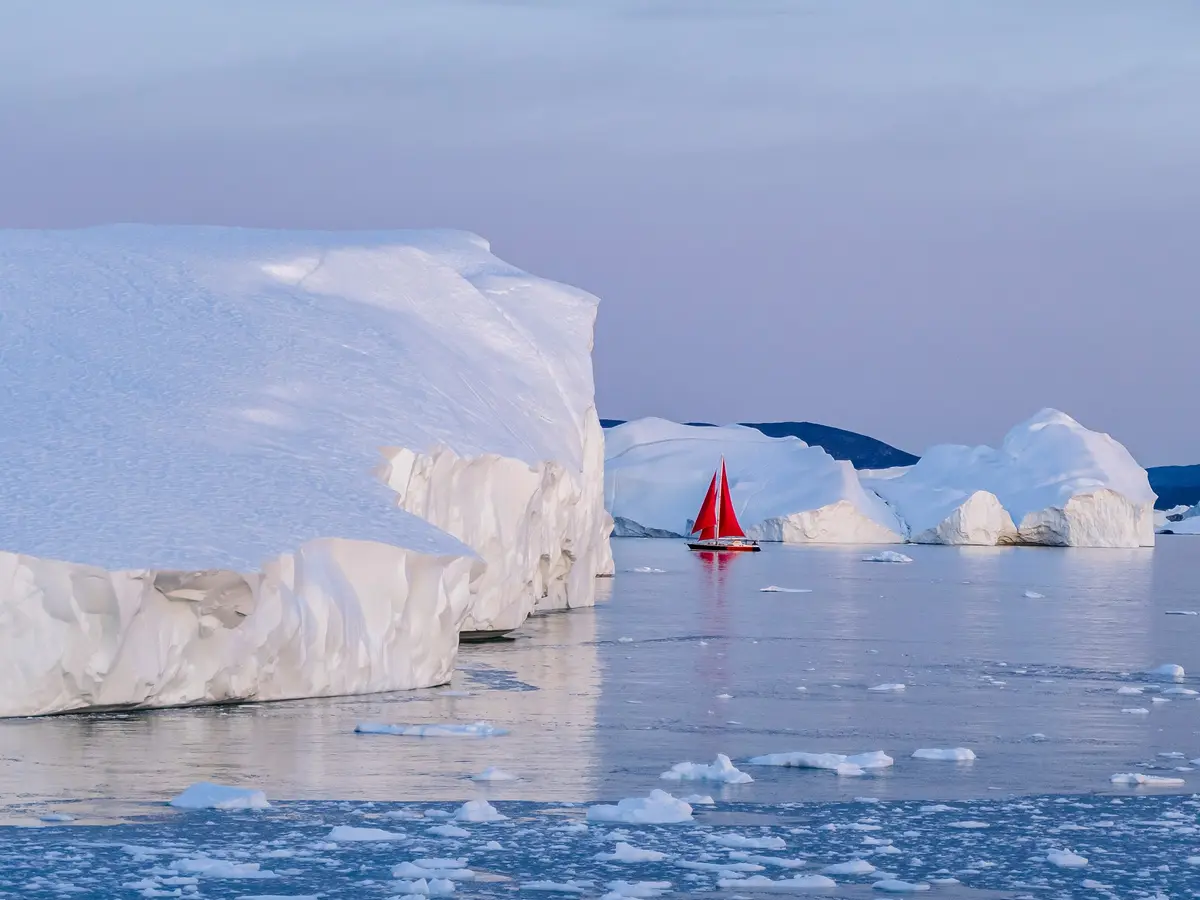
Study Finds 11.3 Trillion Tons of Polar Ice Lost
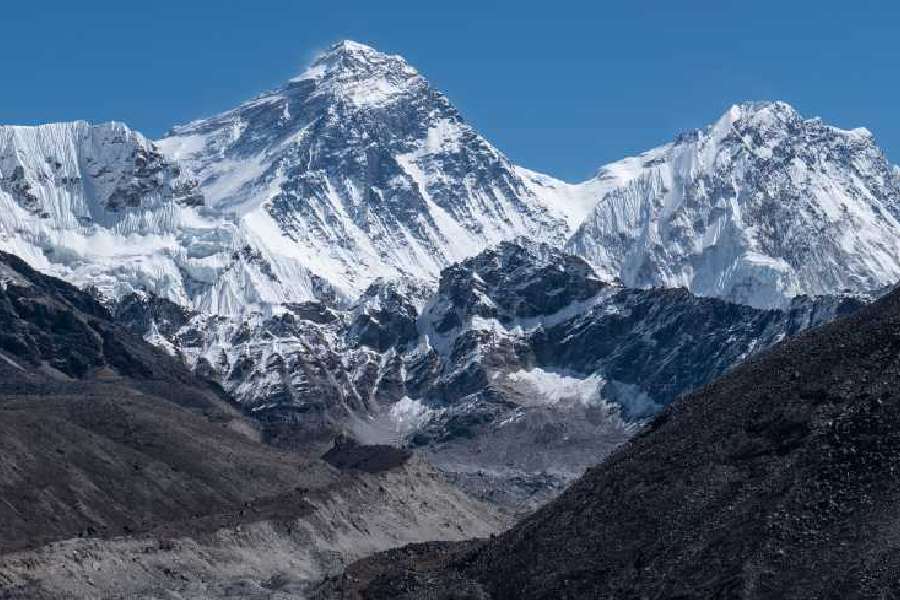
UN Warns Himalayas Face Severe Glacial Flood Risks Ahead

Arunachal Minister Says Siang Project Must Balance Security and Local Welfare
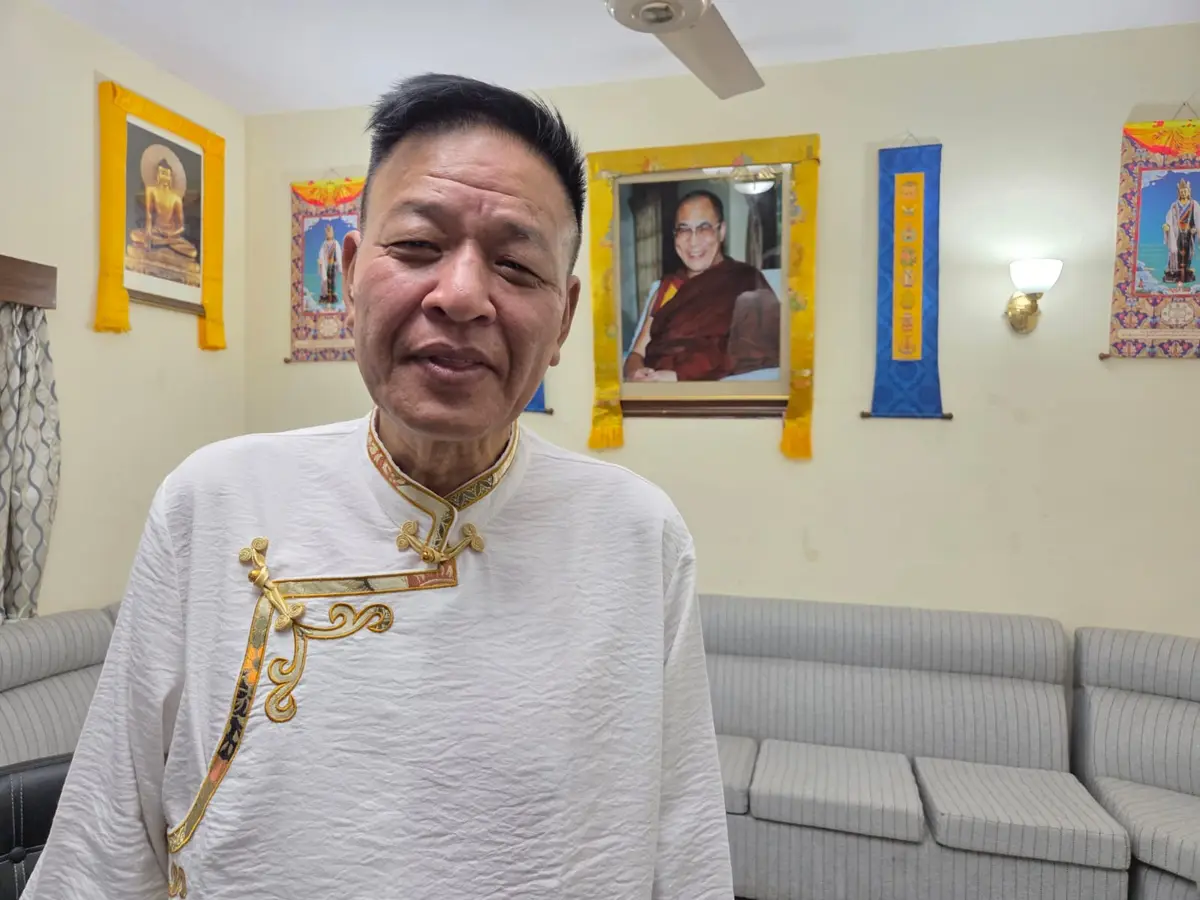
Tsering Says US Support for Tibet Remains Strong
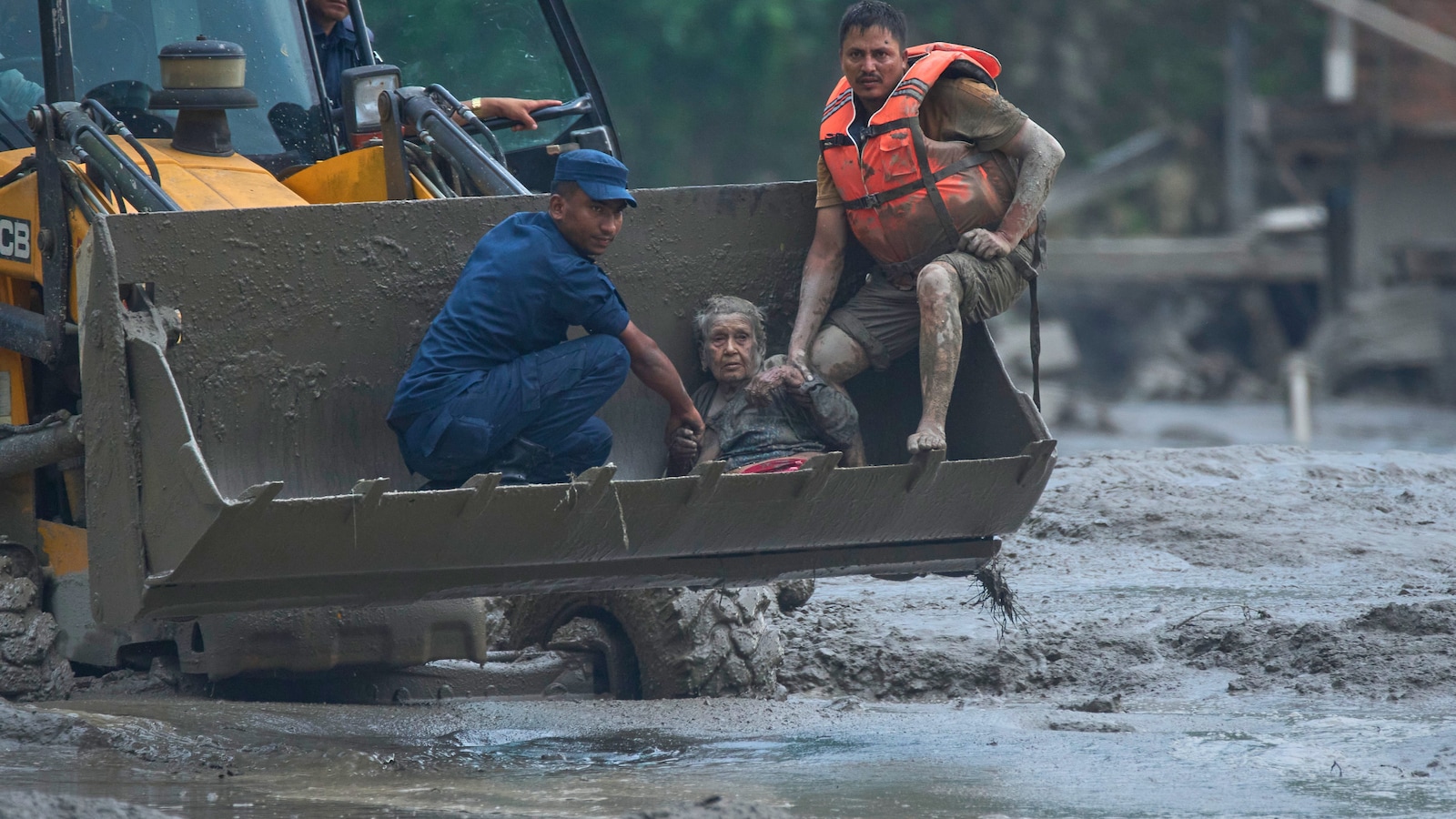
Nepal Ends Flood Search, Turns to Recovery and Reconstruction
Arunachal Protests Escalate Over Proposed Siang Multipurpose Dam Project
