

3 weeks ago
Europe's worst wildfire season signals need for climate adaptation

Right now, Europe is having its worst wildfire summer in a very long time.
Wildfires are big fires that burn forests and places where people live.
The article says this is happening because the Earth is getting hotter because of climate change.
Countries cannot fix the problem all at once, so they need to get ready for more fires.
That means doing things like carefully burning extra dry plants, making fire breaks, and building houses that are safe from fire.
It also means warning people early so they can leave before fires get close.
The fires are also causing problems for businesses, like travel companies and farmers, and costing governments a lot of money.
The European Union is trying to help countries fight fires together.
But this problem is not only in Europe — places like Canada, Australia, America, and India have big fires too.
The message is that countries need to plan for hot, dangerous weather instead of being surprised every time.

Europe is enduring its worst wildfire season in decades, which the article calls a warning that climate extremes have become political reality.
The piece argues climate policy must move beyond cutting emissions to preparing for the climate that already exists.
It urges permanent fire-management investment in controlled burns, firebreaks, resilient infrastructure and early-warning systems.
Insurance markets, tourism-dependent economies, agriculture and public finances are all under growing pressure from fire risks.
The European Union's shared firefighting resources were built for occasional crises, and Canada, Australia, the United States and India face similar threats.
- Who
- European governments, the European Union, firefighters and communities in fire-prone regions
- What
- Europe's worst wildfire season in decades, prompting calls for permanent climate-adaptation and fire-management policies
- Where
- Southern Europe and across the European Union, with similar fires in Canada, Australia, the United States and India
- When
- Recent years, concentrated in peak summer seasons (no exact date given)
- Why
- Decades of accumulated warming from climate change, neglected forests and expanding settlements at woodland edges have raised fire risk
Focus on cutting emissions
Focus on preparing for climate extremes
Role of decarbonisation
Focus on cutting emissions
Climate policy should revolve around reducing carbon emissions, which remains indispensable.
Focus on preparing for climate extremes
Even the most ambitious emissions cuts cannot reverse decades of accumulated warming overnight, so preparation for the existing climate is also essential.
Fire management approach
Focus on cutting emissions
Firefighting can operate as an emergency service activated after disaster strikes.
Focus on preparing for climate extremes
Fire management must become a permanent element of environmental planning, including controlled burns and early-warning systems.
Framing of fire seasons
Focus on cutting emissions
Each catastrophic fire season can be treated as an isolated anomaly.
Focus on preparing for climate extremes
Extreme weather is steadily redefining what societies must prepare for, and postponing decisions will make the cost much higher.
Key facts
- Event
- Europe's worst wildfire season in decades
- Region
- Southern Europe / European Union
- Core argument
- Resilience must stand alongside decarbonisation as a central climate-policy objective
- Recommended measures
- Controlled burns, firebreaks, resilient infrastructure, early-warning systems
- Sectors affected
- Insurance, tourism, agriculture, public finances
- EU response
- Shared firefighting resources and disaster-response mechanisms
- Other affected countries
- Canada, Australia, United States, India
Sources
Related news

Europe Faces Intensifying Wildfires While Climate Debate Continues
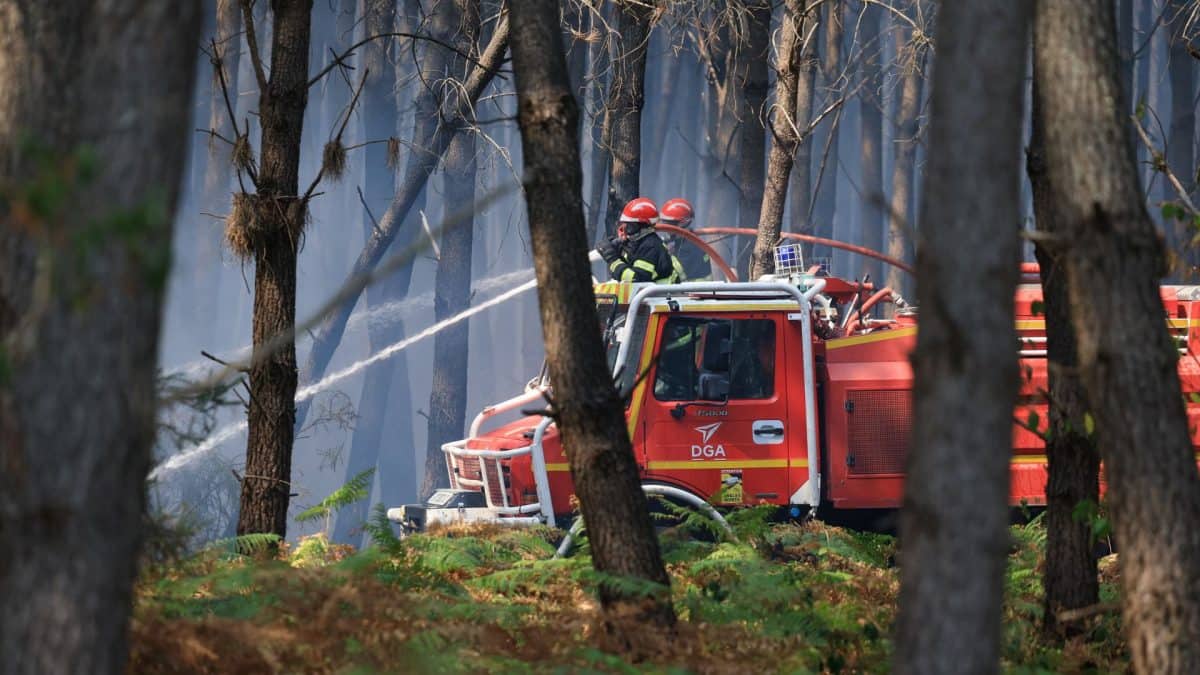
Europe's 2026 summer: burning, drying out, struggling to adapt
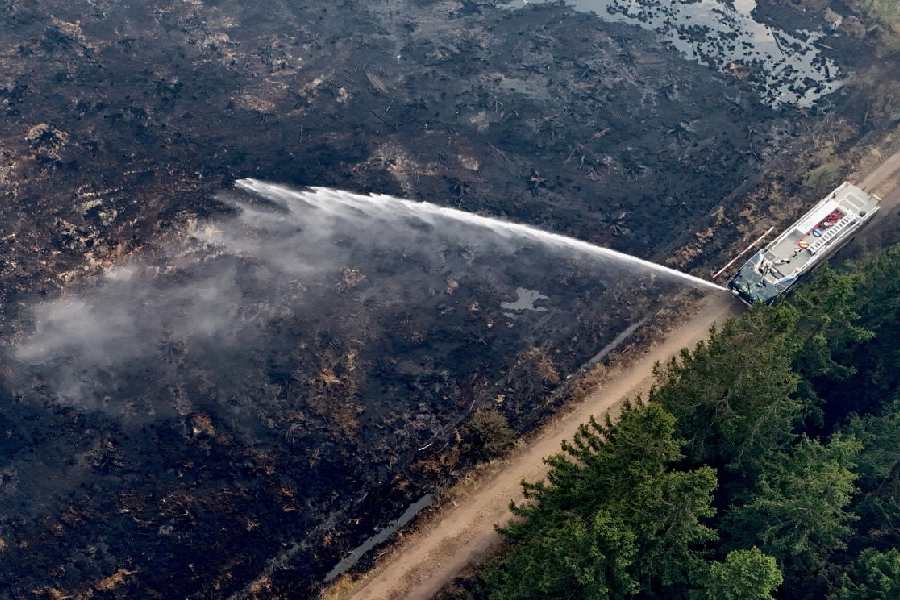
Belgium's biggest wildfire burns 3,000 hectares, advances toward German border
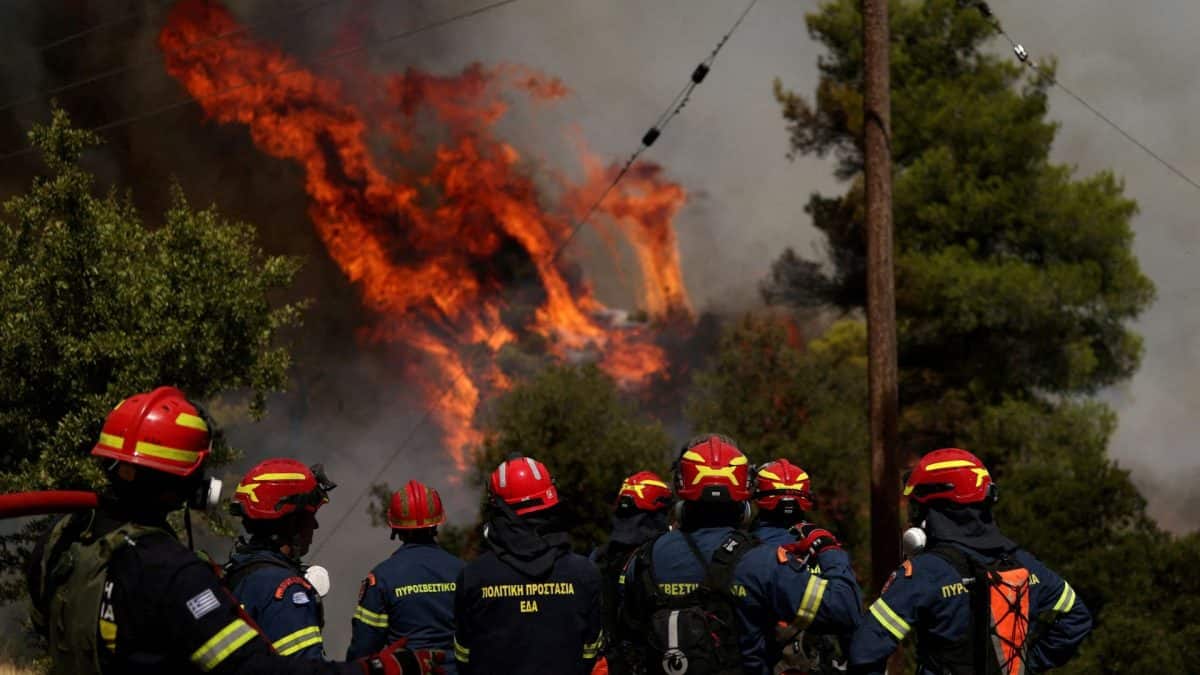
Europe battles wildfires as record heat and drought fuel blazes
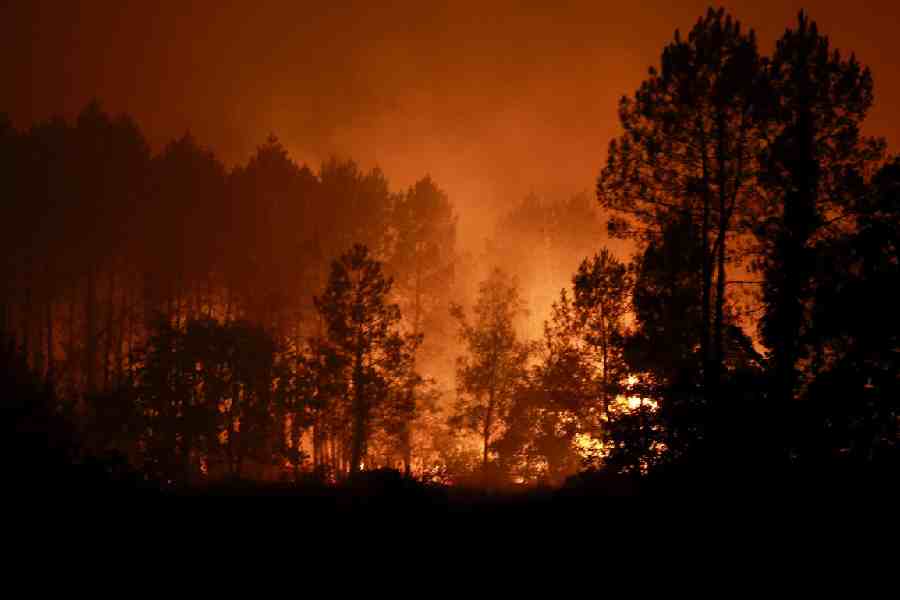
Europe battles wildfires displacing 250,000 as Tour de France shortened
Ikea cuts European prices as cost pressures weaken demand

Europe's Bond Selloff Deepens as Middle East Tensions Lift Oil

China’s Rapid Car Development Faces Growing Safety Scrutiny
CNG Prices Rise Rs 2 per Kilogram in Pune

China Challenges US Leadership in Escalating Global AI Contest
