

2 hrs ago
UP Floods Are Mainly Monsoon-Driven, Not Nepal’s Deluge
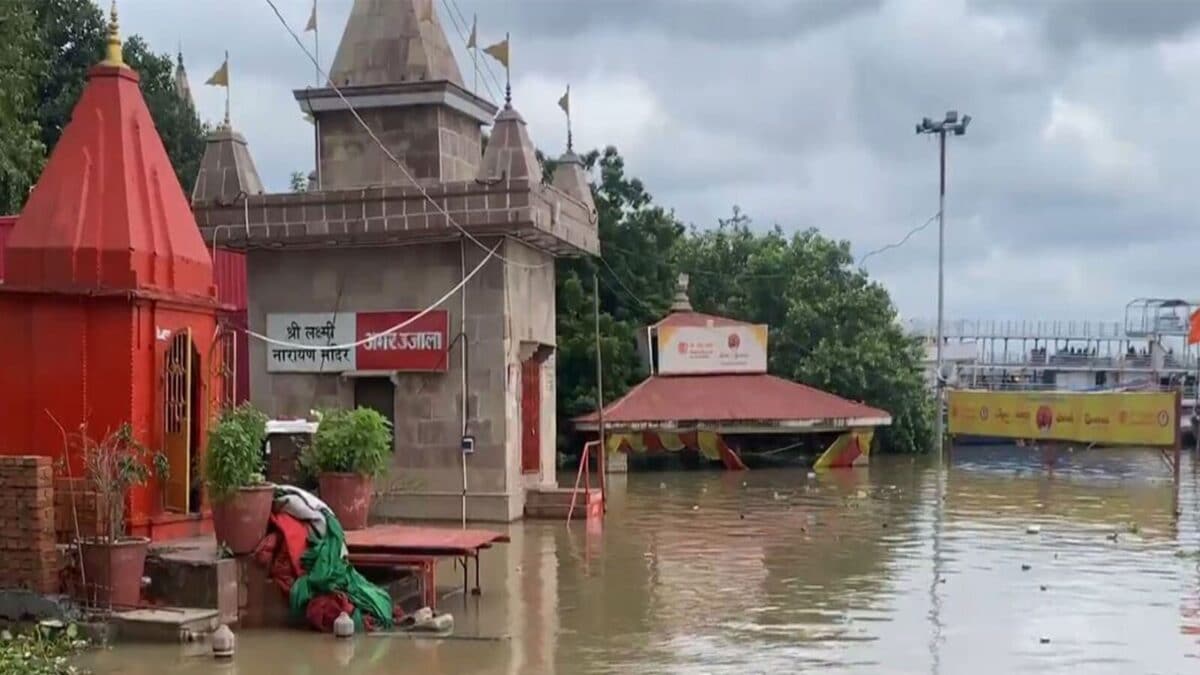
Uttar Pradesh is facing serious flooding in many districts.
People first worried that floodwater from Nepal had moved into the state after Nepal’s disaster on August 26.
That disaster did affect the Gandak River and bodies were later recovered in border districts.
However, the main flooding happening now is not one giant wave from Nepal.
In Varanasi, the Ganga has risen because of heavy rain and upstream water.
In Prayagraj, both the Ganga and Yamuna are rising, with some water released from dams in Madhya Pradesh adding to concerns.
The Mandakini River has flooded villages around Chitrakoot.
More rain could cause additional flooding, so officials are using boats, shelters and medical teams to help people.

Flooding has affected 23 of Uttar Pradesh’s 35 districts, with more than 16,000 people evacuated and three rain-related deaths reported.
The immediate flood alert after Nepal’s August 26 disaster largely subsided in Uttar Pradesh’s border districts.
The Ganga, Yamuna and Mandakini are now among the rivers causing the most serious flooding in the state.
Heavy monsoon rainfall, upstream inflows and some dam or barrage releases are driving the current crisis.
Authorities have deployed 1,499 boats, 1,067 medical teams and established 1,311 flood shelters across the state.
- Who
- Residents of Uttar Pradesh, state authorities, and communities in Nepal-linked border districts are affected.
- What
- Flooding has spread across Uttar Pradesh, while officials assess whether it is connected to Nepal’s August 26 flash flood.
- Where
- Affected areas include Varanasi, Prayagraj, Chitrakoot, Pilibhit, Maharajganj and Kushinagar in Uttar Pradesh.
- When
- The current flooding was reported on September 3, 2026, after the Nepal disaster on August 26.
- Why
- Heavy monsoon rainfall, rising upstream inflows and releases from dams and barrages are causing rivers to rise; the current flooding is not primarily a fresh flood wave from Nepal.
Nepal-Linked Flood Hypothesis
Broader Monsoon Explanation
Source of the flooding
Nepal-Linked Flood Hypothesis
Because Nepal is upstream of rivers such as the Gandak, Ghaghara, Rapti and Sharda, the August 26 flash flood initially raised concern that a downstream surge could reach Uttar Pradesh.
Broader Monsoon Explanation
The immediate Nepal-related threat eased, and the flooding now affecting Varanasi, Prayagraj and other areas is primarily linked to heavy rainfall, upstream inflows and local river systems.
Evidence from affected rivers
Nepal-Linked Flood Hypothesis
The Gandak carried bodies believed to be victims of Nepal’s disaster into Maharajganj and Kushinagar, showing a direct connection between the events.
Broader Monsoon Explanation
The most serious current flooding involves the Ganga, Yamuna, Mandakini, Sharda and other rivers; the Mandakini flooding in Chitrakoot cannot be explained by Nepal’s flood traveling downstream.
Expected risk
Nepal-Linked Flood Hypothesis
Continued concern remains warranted because rivers flowing from or along Nepal can rise after upstream flooding.
Broader Monsoon Explanation
Further flooding is expected to remain possible because the India Meteorological Department forecast more heavy to very heavy rain across parts of Uttar Pradesh.
Key facts
- Affected districts
- 23 of Uttar Pradesh’s 35 districts
- Evacuations
- More than 16,000 people
- Reported deaths
- Three deaths in rain-related incidents
- Varanasi Ganga level
- 70.54 metres at Rajghat on September 3, above the 70.262-metre warning level but below the 71.262-metre danger mark
- Chitrakoot impact
- The Mandakini inundated 36 villages and affected around 14,000 people
- Flood response
- 1,499 boats and motorboats, 1,067 medical teams and 1,311 flood shelters deployed or established
- Nepal disaster figures
- Nepal reported 1,204 deaths, 4,216 missing people and nearly 12,000 rescues
Sources
Related news
Uttar Pradesh Heightens Vigil After Nepal Flash Floods

Nepal Floods Spur High Alerts Across Uttar Pradesh

Nepal Flash Flood Prompts High Alerts Across Bihar, Uttar Pradesh
Gandak River Falls, Easing Flood Threat From Nepal

Floods Hit 19 Uttar Pradesh Districts, Nearly 2,000 Evacuated
Nepal Deluge Raises Flood Risk Across Bihar and Uttar Pradesh

Nepal Families Perform Last Rites as Flood Toll Surpasses 1,200
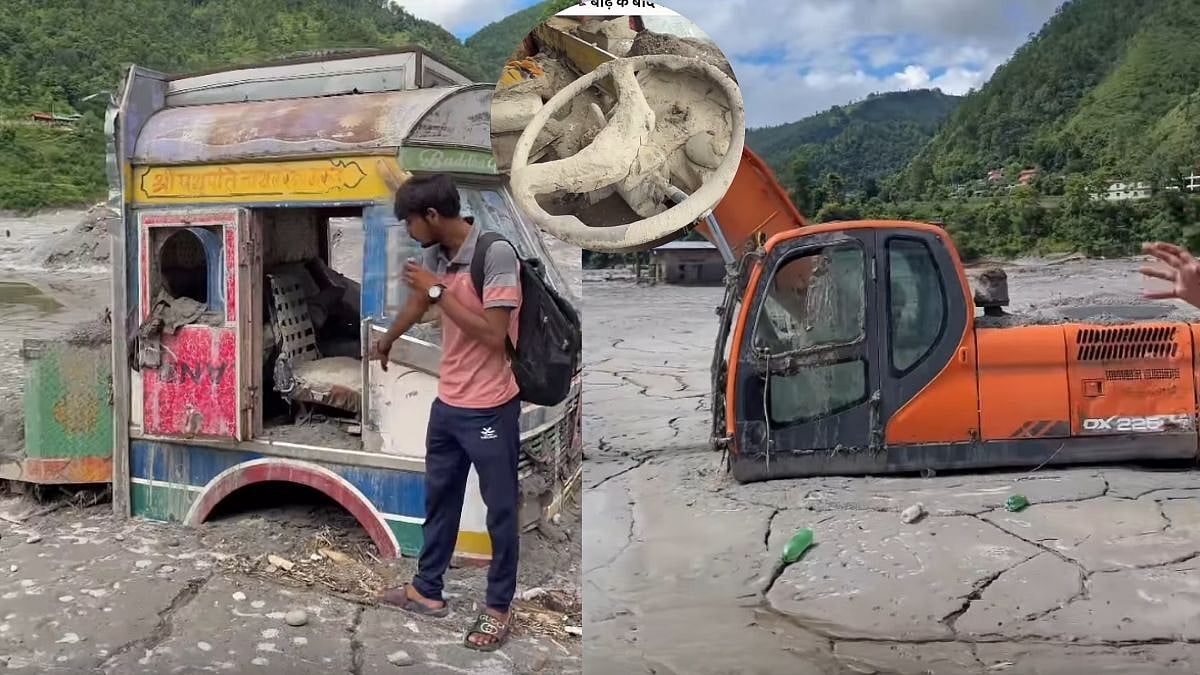
Vlogger Documents Nepal Flash Floods’ Destruction Among Buried Machinery
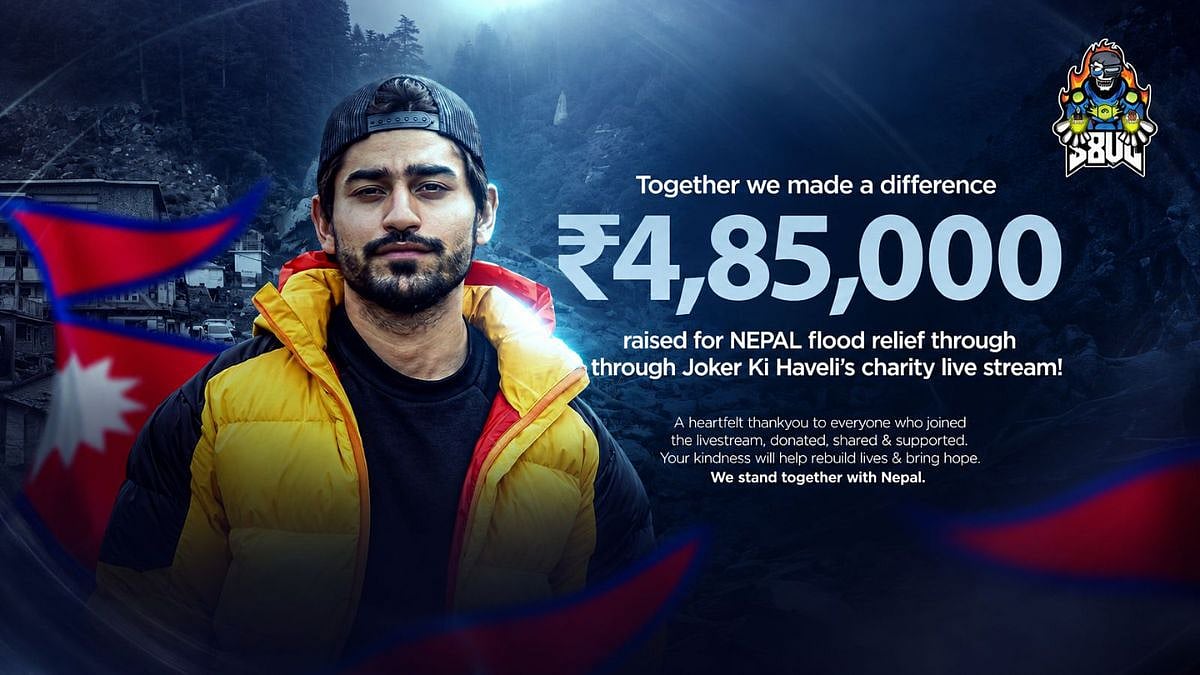
Gamer Gulrez Khan Raises Flood Relief Funds for Nepal, Assam

Environmentalists Link Nepal Flash Floods to Himalayan Development Practices
