2 weeks ago
Iran Calls for Environmental Safeguards, Strait of Hormuz Reopening Conditions
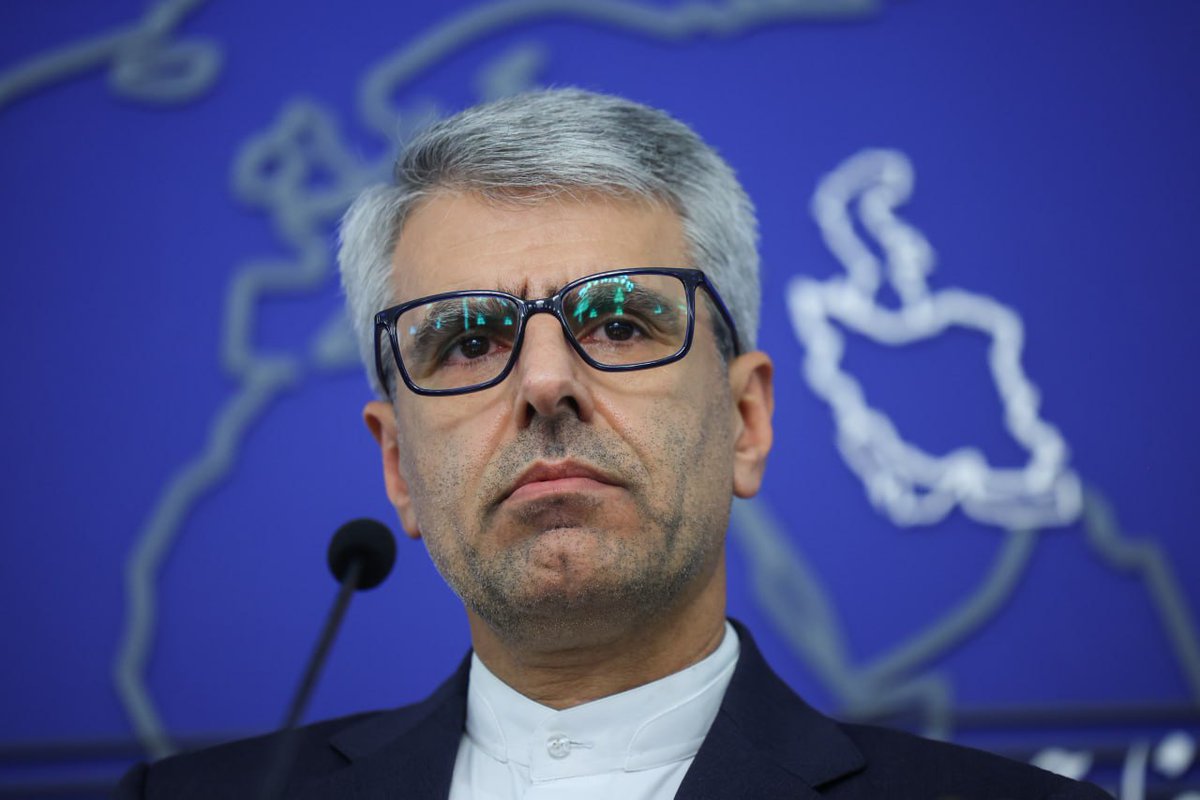
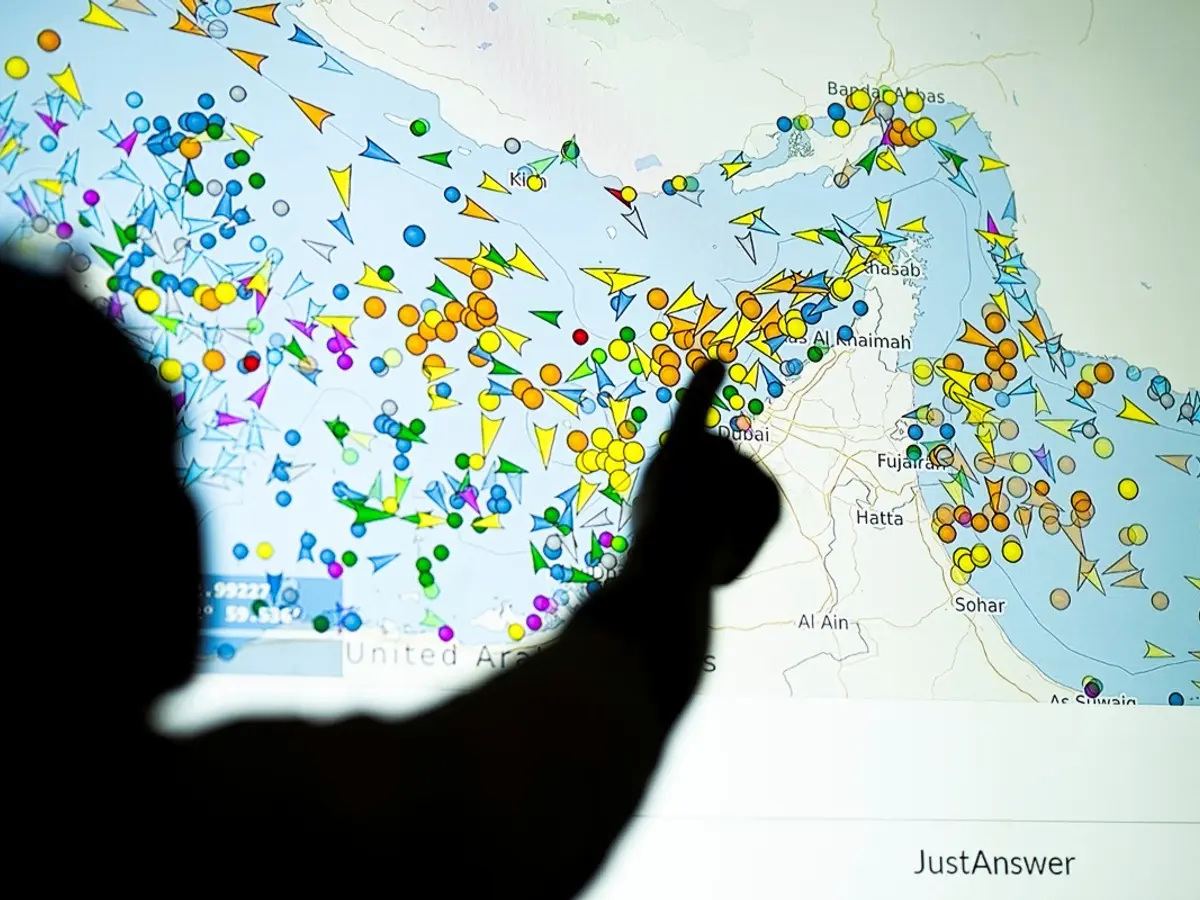
The Strait of Hormuz is a narrow strip of water near Iran where many ships travel to deliver oil around the world.
Recently, dirty oil pollution was found on the beaches of an Iranian island called Qeshm.
Iran's government says a foreign ship caused the pollution.
Iran wants the water in the Strait of Hormuz to be kept clean and protected in the future.
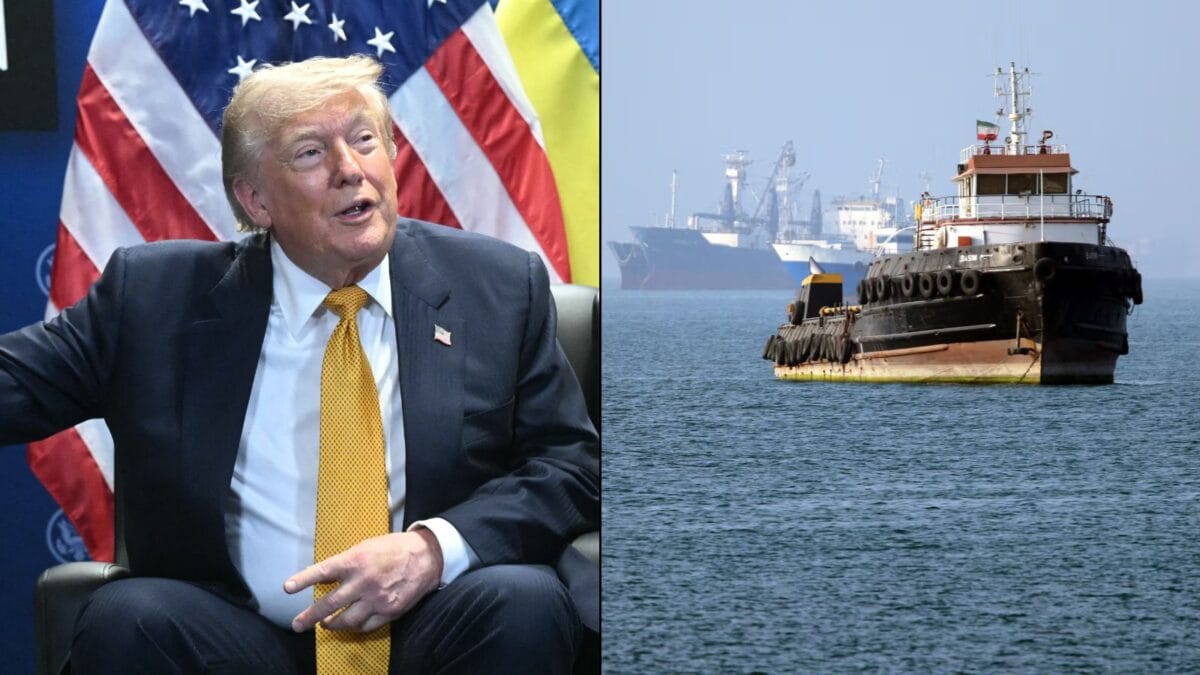
Iran also said it will not fully open the Strait again until the United States agrees to its demands.
Iran wants the U.S. to stop fighting and lift a blockade, give back money that was frozen, and agree to stop fighting in places like Lebanon and Gaza.
Other countries are watching closely because the Strait is very important for oil shipping.
Shipping is still happening, but with very tight security because the situation is tense.

Iranian Foreign Ministry spokesperson Esmaeil Baqaei called for environmental protection to form an integral part of any future administration of the Strait of Hormuz.
Videos circulated in recent days showing oil pollution along the shores of Qeshm Island, with preliminary evidence indicating a foreign bulk carrier as the source.
Baqaei said contamination was documented at three coastal sites and across portions of the sea surface, and asked who should bear responsibility for compensating the damage.
Mohsen Rezaei, Iran's newly appointed head of the Supreme National Security Council, said the Strait of Hormuz will not reopen until the U.S. ends the war and blockade, releases Iran's frozen assets, and agrees to a region-wide ceasefire including Lebanon and Gaza.
Commercial shipping through the Strait continues under tight security oversight, while the escalation has prompted expanded naval patrols and renewed international calls for diplomatic restraint.
- Who
- Iranian Foreign Ministry spokesperson Esmaeil Baqaei and newly appointed Supreme National Security Council head Mohsen Rezaei, speaking on behalf of Iran.
- What
- Iran called for environmental safeguards for the Strait of Hormuz after oil pollution reached Qeshm Island's shores and said the Strait will not fully reopen until the U.S. meets its conditions.
- Where
- Strait of Hormuz, Persian Gulf, Sea of Oman, and Iran's coast including Qeshm Island.
- When
- Thursday, following videos of oil pollution that circulated in recent days.
- Why
- Iran cites environmental damage from oil pollution and says it wants U.S. concessions — ending the war and blockade, releasing frozen assets, and a region-wide ceasefire — before reopening the Strait.
Iran's Position
International Community's Position
Reopening the Strait of Hormuz
Iran's Position
Iran says the Strait will remain closed until the U.S. ends the war and blockade, releases Iran's frozen assets, and agrees to a region-wide ceasefire including Lebanon and Gaza.
International Community's Position
Commercial carriers and international actors favor keeping the vital shipping route open, prompting adjusted shipping routes, expanded naval patrols, and renewed international calls for diplomatic restraint to avoid armed conflict.
Responsibility for Environmental Damage
Iran's Position
Iran says every party benefiting from commercial shipping through the Strait of Hormuz bears legal and moral obligations to remediate the harm, and asks whether consumer nations, insurers, or aggressors should pay for trillions of dollars in damage.
International Community's Position
Preliminary evidence indicates a foreign bulk carrier as the source of the recent pollution, suggesting the incident may be traced to a specific vessel rather than to all parties benefiting from regional shipping.
Key facts
- Iranian Foreign Ministry spokesperson
- Esmaeil Baqaei
- Pollution location
- Shores of Qeshm Island, drifted from the Persian Gulf
- Suspected pollution source
- Foreign bulk carrier (preliminary evidence)
- Documented contamination
- Three coastal sites and portions of the sea surface
- Newly appointed SNSC head
- Mohsen Rezaei
- Conditions for reopening the Strait
- U.S. ends war and blockade, releases Iran's frozen assets, agrees to region-wide ceasefire including Lebanon and Gaza
- Current shipping status
- Commercial shipping continues under tight security oversight
- Damage estimate (per Iran)
- Trillions of dollars in damage to Iran's coastal areas over recent decades
Quotes
Esmaeil Baqaei
Iranian Foreign Ministry spokesperson
“"IRAN's message is clear: the Strait of Hormuz will not reopen until the U.S. ends the war and blockade, releases Iran's frozen assets, and agrees to a region-wide ceasefire, including in Lebanon and Gaza."”
 deccanchronicle.com
“"Why must addressing the environmental condition of the Strait of Hormuz and its surrounding waters form an integral part of any future administration of the Strait?"”
deccanchronicle.com
Sources
Related news
UAE accuses Iran of missile attack on Hormuz vessel
Trump demands Iran pay compensation; Strait of Hormuz deal stalls
Iran Seizes Cargo Vessel in Strait of Hormuz Over Pollution

Oil Gains Persist as Trump, Iran Clash Over Hormuz Reopening
Iran Issues Sweeping Demands for Strait of Hormuz Reopening

Iran Demands US Concessions Before Reopening Strait of Hormuz
US-Iran Strikes Escalate as Tehran Warns of New Strategy
Trump Warns of Fresh Iran Strike After Heavy Attack

Trump Says US Could Attack Iran Again at Will

U.S. Treasury Yields Ease as Jobs Data Misses Expectations
Iran Seizes Fuel-Smuggling Vessel in Gulf, Arrests 11 Crew