5 days ago
Six Months Into US-Iran War, War Crimes Accountability Remains Uncertain

The article examines whether anyone could be punished for possible war crimes in the US-Iran war.
It says international laws are supposed to protect civilians during fighting.
These laws prohibit attacks on schools, hospitals, water facilities and other civilian places unless strict conditions are met.
A girls’ school in Minab was bombed, killing at least 156 people, including 120 children.
The United States has not accepted responsibility, although an early assessment reportedly said US forces were likely involved.
Water reservoirs and desalination plants were also damaged or targeted.
The article says these attacks may have seriously harmed civilians’ access to water.
The International Criminal Court cannot take the case because neither country belongs to it.
Investigations and prosecutions in the United States and Iran are therefore presented as the most realistic paths to accountability.

The article argues that the US-Israel war against Iran violated the UN Charter’s prohibition on using force.
International humanitarian law prohibits attacks on civilians and civilian objects and requires feasible precautions.
A bombing of a girls’ school in Minab killed at least 156 people, including 120 children, according to the article.
Strikes damaged water reservoirs serving 20,000 civilians, while desalination facilities were also reportedly targeted.
The International Criminal Court lacks jurisdiction because neither the US nor Iran is a member, leaving domestic prosecutions as the main legal option.
- Who
- The United States and Iran are the main parties discussed; Israel is also described as having started the war with the US. Potential responsibility is considered for military personnel and commanders.
- What
- The article assesses alleged war crimes and possible accountability during the six-month US-Iran war, including attacks on a school and water infrastructure.
- Where
- Iran, including Minab, areas near the Strait of Hormuz, and other locations containing water facilities.
- When
- The discussion covers the first six months of the war and was published on August 28; the article does not provide a year.
- Why
- The article argues that suspected attacks on civilians and civilian objects should be investigated and prosecuted if the evidence supports criminal responsibility.
Accountability Advocates
Potential US Legal Defenses
Legality of the war
Accountability Advocates
The article says legal scholars consider the US-Israel attack on Iran a blatant violation of the UN Charter’s prohibition on the use of force.
Potential US Legal Defenses
The article does not present a detailed US justification for initiating the war, but says the Trump administration has viewed itself as above international law.
Minab school bombing
Accountability Advocates
Because the school was a civilian object and children and teachers were present, the attack appears unlawful; failure to verify the target and take precautions could itself violate the laws of war.
Potential US Legal Defenses
The United States could argue that it was targeting nearby Islamic Revolutionary Guard Corps buildings and that the school was hit accidentally because of mistaken targeting.
Water infrastructure strikes
Accountability Advocates
The article says attacks on reservoirs and desalination plants could constitute war crimes because they seriously affect civilians’ access to water, especially in an arid region.
Potential US Legal Defenses
It remains unclear whether the United States intentionally struck the reservoirs, and the article notes that the status and intent of some attacks have not been fully established.
Key facts
- War duration
- The article was published six months into the US-Iran war.
- School attack
- At least 156 people were reportedly killed in the Minab bombing, including 120 children.
- Suspected weapon
- The article says evidence suggested a guided Tomahawk missile was used; the United States possesses such missiles, while Iran does not.
- US assessment
- An initial US assessment reportedly found that US forces were “likely” responsible and cited outdated targeting information.
- Water facilities
- Two reservoirs near the Strait of Hormuz were damaged in June and reportedly supplied water to 20,000 civilians.
- ICC jurisdiction
- The International Criminal Court reportedly has no jurisdiction because neither the United States nor Iran is a party to it.
- Potential legal path
- The article identifies domestic investigations and prosecutions in the United States and Iran as the remaining principal options.
Quotes

Pete Hegseth
US Secretary of Defence quoted regarding the conduct of the war
“no quarter, no mercy for our enemies”
 theprint.in
Sources
Related news
Iran Condemns US Strikes, Reports Defensive Attacks on Regional Bases
US and Iran Resume Strikes After Weeks of Calm

Iran Challenges Legal Basis of US-Israeli Military Strikes
U.S. Strikes Iran Wedding Site as Regional Retaliation Spreads
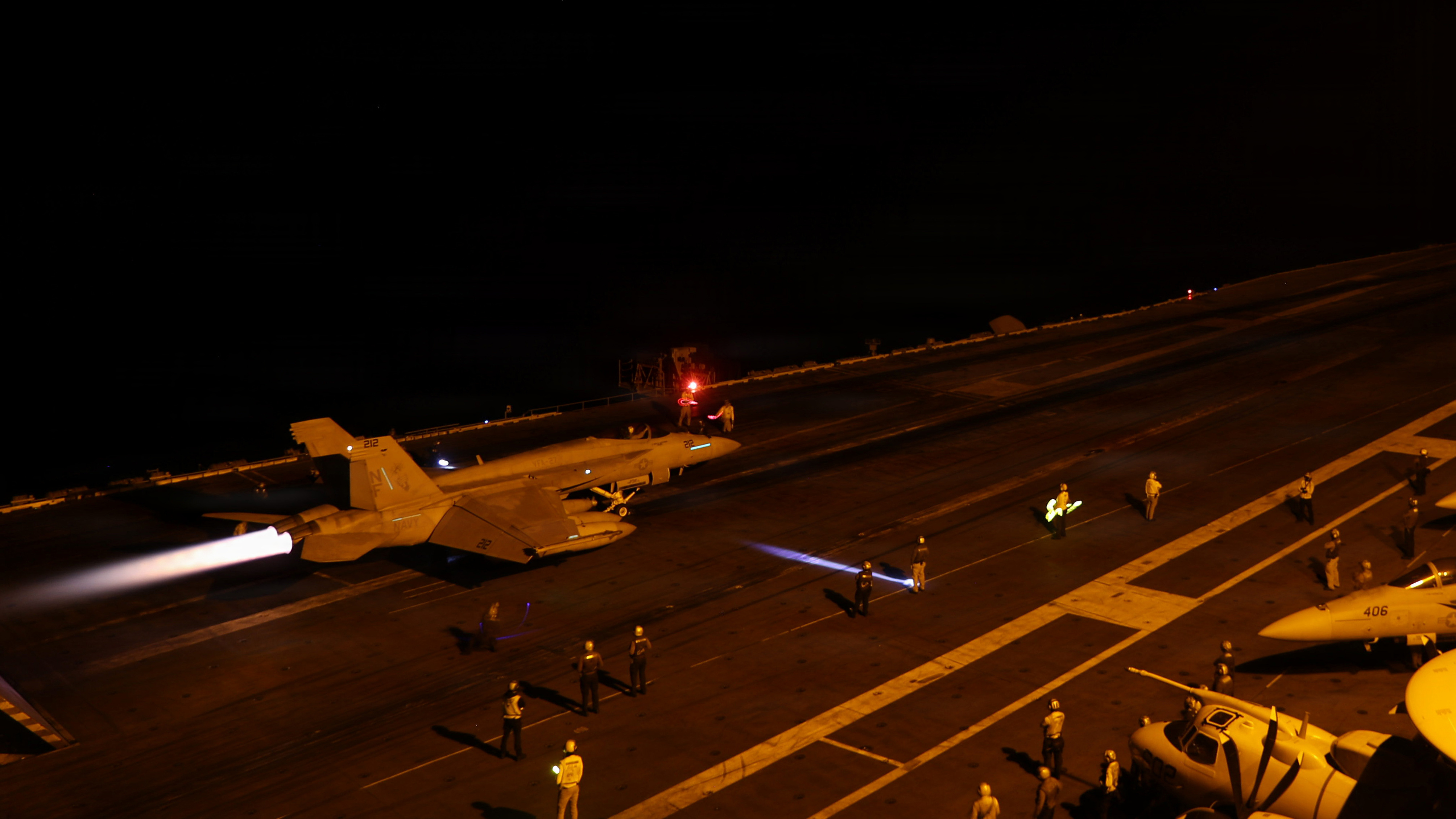
Iran Claims Missile Strikes on US Bases in Jordan
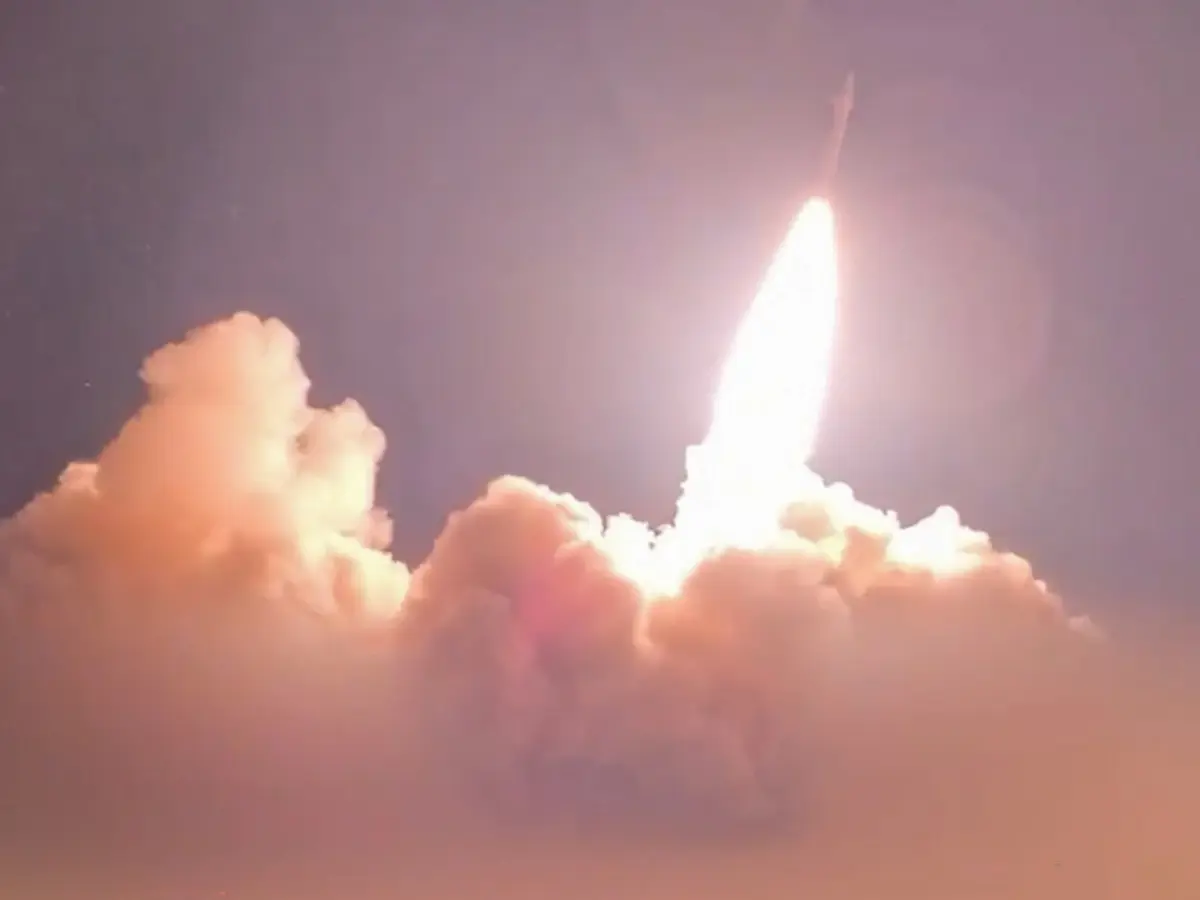
US Strikes Larak Launchers; Iran Attacks US Bases in Jordan

Iran Seizes Fuel-Smuggling Vessel in Gulf, Arrests 11 Crew
Trump Floats Renaming Strait of Hormuz as “Trump Strait”

Chevron Plans $7 Billion Venezuela Expansion Amid U.S. Oil Push
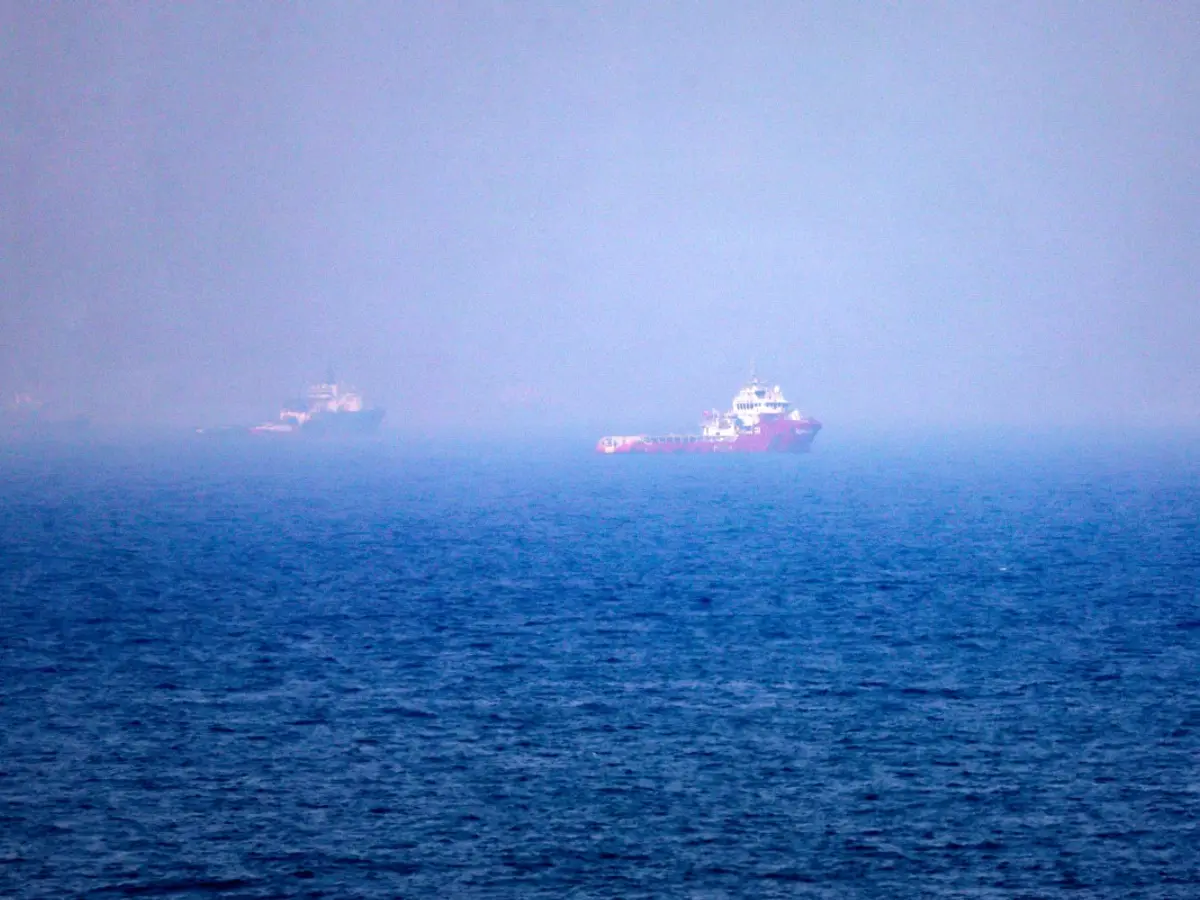
Saudi Tanker Hit in Hormuz, Killing Two Filipino Sailors
U.S.-Iran Exchange Escalates Across Middle East, Markets Slide