17 hrs ago
U.S. Strikes Iran Wedding Site as Regional Retaliation Spreads
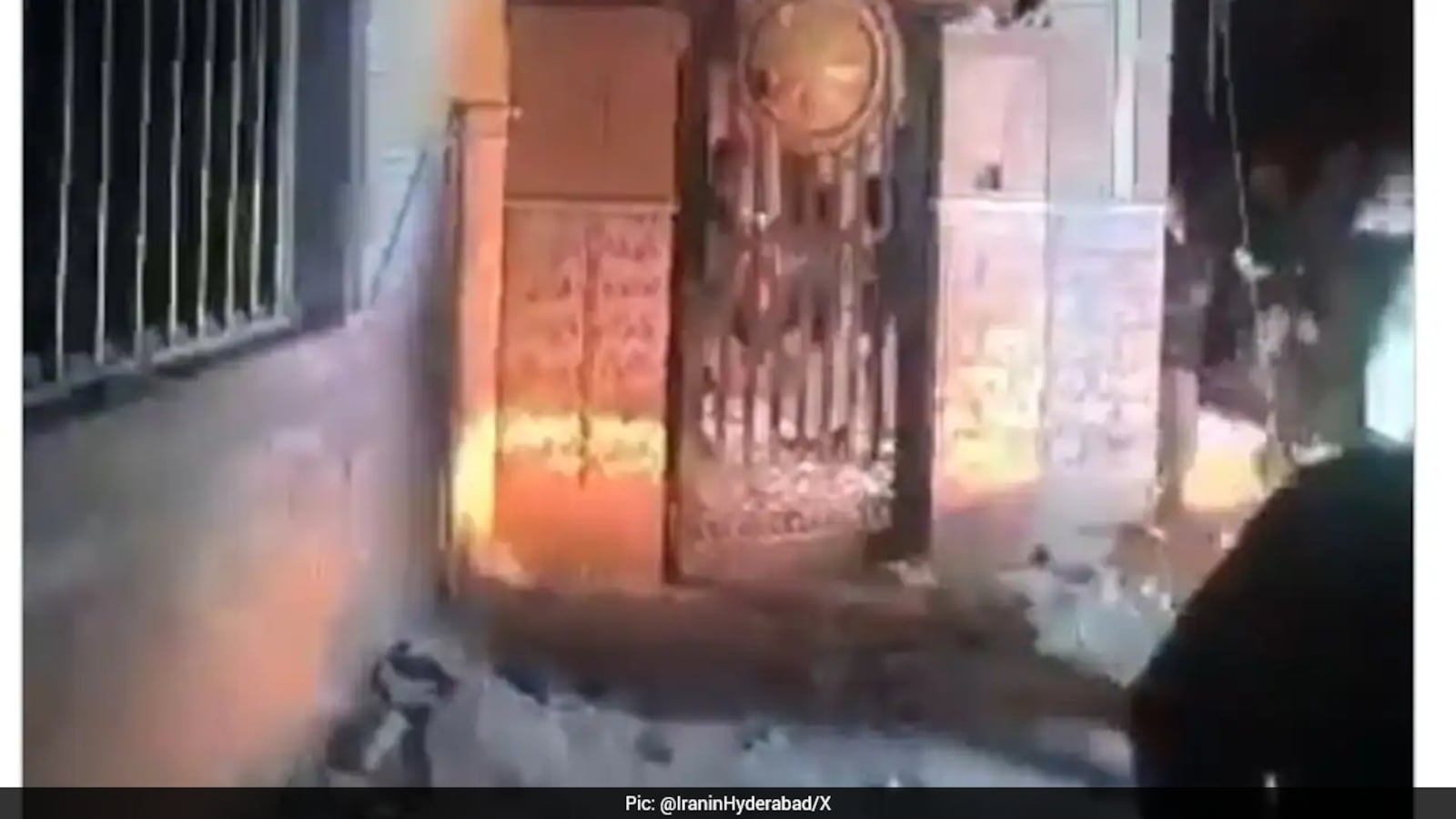
The United States and Iran have started fighting again after a short pause.
The United States says it attacked Iranian military sites because Iran had tried to threaten ships and American troops.
Iran says some American attacks hit civilian places, including a home where a wedding was being celebrated.
Reports say four or five people died, including a child, and between about 50 and 68 people were injured, although the numbers differ.
The United States says it does not target civilians and is reviewing the reports.
Iran then fired missiles toward Jordan and reported drone attacks near American positions in Bahrain and Jordan.
Jordan said it stopped most of the missiles, while Kuwait said its defenses stopped drones.
Iran’s leaders warned that more attacks would follow.
The fighting has also made oil and gasoline more expensive because the Strait of Hormuz is an important oil route.

U.S. forces struck Iranian air defenses, radar, maritime and communications sites on Tuesday.
Iranian officials said a strike hit a wedding gathering in Sirik, killing four or five people and injuring about 50 to at least 68 others.
Iran launched ballistic missiles toward Jordan and reported attacks on U.S. positions in Bahrain and Jordan.
Jordan said it intercepted 10 or 13 Iranian missiles, while Kuwait reported intercepting Iranian drones.
Renewed fighting has pushed oil and U.S. gasoline prices higher and intensified tensions around the Strait of Hormuz.
- Who
- The United States and Iran, with reported attacks involving Jordan, Bahrain, Kuwait and U.S. forces in the region.
- What
- The United States carried out strikes against Iranian targets, and Iran launched missiles and reported drone attacks against regional sites linked to the United States.
- Where
- The reported civilian casualties occurred in Kuhestak, in Sirik in southern Iran; retaliatory attacks involved Jordan, Bahrain and Kuwait, while other strikes were reported near Iran’s southern coast and the Strait of Hormuz.
- When
- Tuesday, following U.S. strikes on Sunday that ended about a month without reported military action.
- Why
- U.S. officials said the strikes responded to attempted Iranian attacks on commercial shipping and American service members. President Donald Trump also cited Iranian radar and alleged efforts to place sea mines in the Strait of Hormuz, while Iran described the attacks as aggression.
U.S. Account
Iranian Account
Reason for the strikes
U.S. Account
U.S. Central Command said the attacks responded to attempted Iranian attacks on commercial shipping in the Strait of Hormuz and on American service members. Donald Trump additionally cited Iranian radar and alleged sea-mine preparations.
Iranian Account
Iranian officials described the strikes as aggression and said the United States attacked civilian locations along Iran’s southern coast, including a wedding gathering and a civilian airport.
Civilian casualties
U.S. Account
U.S. Central Command spokesperson Captain Tim Hawkins said the U.S. military never targets civilians and noted that the casualty reports originated from Iranian state media.
Iranian Account
Iranian officials said an American strike hit a home hosting wedding celebrations in Kuhestak. Their reported tolls ranged from four to five deaths, including a child, and about 50 to at least 68 injuries.
Retaliatory attacks
U.S. Account
The United States warned that Iran would face a stronger response if it retaliated, and U.S. officials said the strikes followed Iranian attacks or attempted attacks on U.S. interests.
Iranian Account
Iranian military and political officials claimed attacks on American positions in Jordan and Bahrain, warned of heavier retaliation, and said operations would continue until the United States regretted its actions.
Prospects for a ceasefire
U.S. Account
The articles describe the United States as continuing military pressure through strikes and a counter-blockade of Iranian ports.
Iranian Account
Masoud Pezeshkian said Iran would immediately reciprocate a return to the June interim ceasefire if Washington resumed its commitments.
Key facts
- Wedding-site casualties
- Iranian officials gave differing figures, reporting four or five deaths, including a child, and roughly 50 to at least 68 injuries after a strike hit a home hosting wedding celebrations in Kuhestak, Sirik.
- U.S. targets
- U.S. Central Command said the strikes included IRGC air-defense sites, radar systems, maritime assets, mine-laying capabilities and communications sites.
- Jordan missile reports
- Jordan’s military said it intercepted at least 10 Iranian ballistic missiles and that three others landed in remote or unpopulated areas; another report cited 13 interceptions.
- Other regional attacks
- Kuwait reported that its air defenses intercepted Iranian drones. Iran claimed attacks on U.S. forces or facilities in Bahrain and Jordan, but Bahrain had not immediately confirmed the reported attack.
- Iranian locations mentioned
- Reports described explosions or strikes near Bandar Abbas, Qeshm Island, Sirik, Chabahar, Konarak, Ahvaz, Aghajari and Jiroft Airport.
- Strait of Hormuz
- The waterway normally carries about 20% of the world’s oil, and Iranian actions have effectively closed it since the war began.
- Economic impact
- AAA reported U.S. regular gasoline at $4.10 per gallon, compared with $3.19 at the same time last year; crude prices had risen sharply during the week.
- Ceasefire position
- Iranian President Masoud Pezeshkian said Iran was ready to return to the June interim ceasefire if the United States resumed its commitments.
Quotes
Deputy Minister of Security and Law Enforcement of the Khuzestan Governorate
Khuzestan provincial security official
“Those who remain silent today will not be immune to its consequences tomorrow. Turning a blind eye to injustice does not contain it; it only emboldens the perpetrators.”
 rediff.com
“Two points around the cities of Ahvaz and Aghajari were attacked by missiles by the terrorist enemy of America. Additional news will be announced later.”
rediff.com
Captain Tim Hawkins
US Central Command spokesperson
“If the failed Nation of Iran retaliates for this very justified attack, they will be hit again at a much harder and higher level, but it will not be the biggest attack of them all, that is waiting in the wings.”
 republicworld.com
“US forces struck Islamic Revolutionary Guard Corps (IRGC) targets including air defence sites, radar systems, maritime assets and facilities, mine laying capabilities, and communications sites.”
rediff.com
Sources

Related news
US-Iran Conflict Escalates After Iranian Missile and Drone Retaliation
US and Iran Resume Strikes After Weeks of Calm
U.S. Strikes Iran as Regional Hostilities Flare Again
US Completes Strikes as Iran Reports Regional Retaliation
Iran Strikes US-Linked Targets After Fresh American Attacks

Trump Floats Renaming Strait of Hormuz as ‘Trump Strait’

Chevron Plans $7 Billion Venezuela Expansion Amid U.S. Oil Push

Saudi Arabia Says Iranian Tanker Attack Killed Two Sailors
U.S.-Iran Exchange Escalates Across Middle East, Markets Slide
Trump Aides Seek Quiet Iran War Before Midterm Elections