

1 week ago
Iran Challenges Legal Basis of US-Israeli Military Strikes

Iranian legal experts say the United States and Israel may not use self-defence as a blanket reason for military action.
They argue that international law allows force only in very limited situations.
A country claiming self-defence must show that an attack is imminent and that force is necessary.
It must also use force in a way that is proportionate and protects civilians.
Iran questions whether those conditions were met in the strikes.
It also says diplomatic talks through Oman raised doubts about whether military action was necessary.
Iran accused some Gulf countries hosting American bases of helping the operation.
The delegation said Iran may seek legal remedies while still wanting peaceful relations with its neighbours.

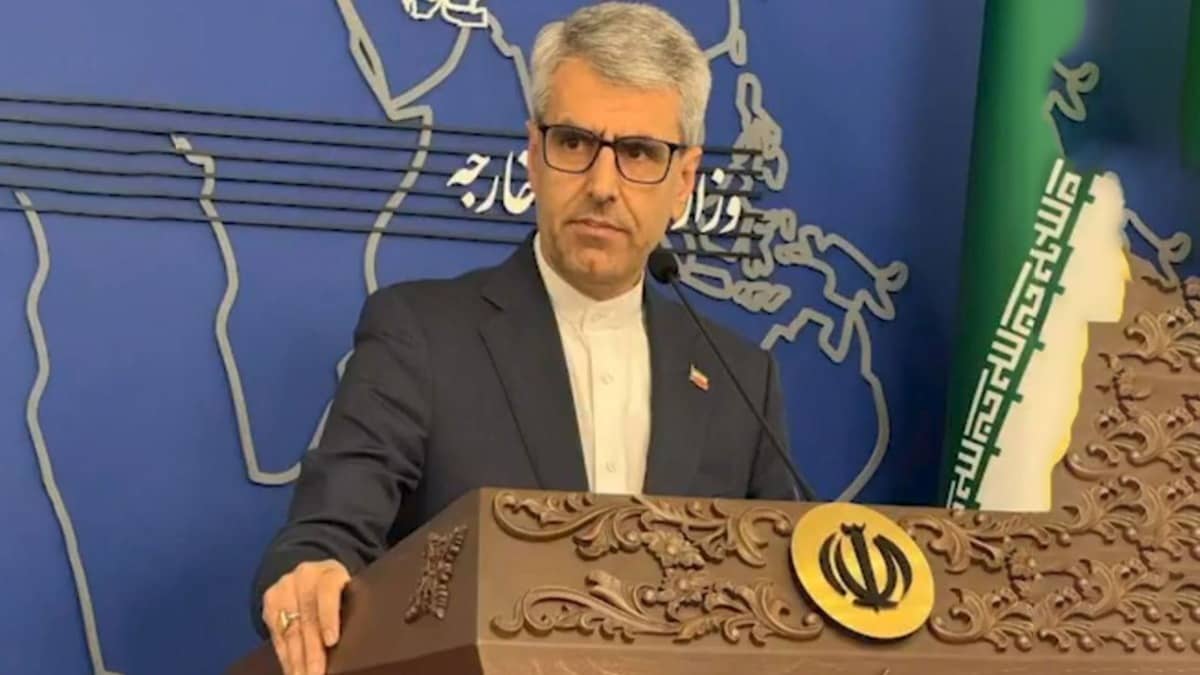
An Iranian delegation questioned whether the US-Israeli strikes complied with international law.
Hasan Abdolianpour said self-defence is not a licence for retaliation or collective suffering.
He argued that force must satisfy necessity, imminence, distinction and proportionality requirements.
Iran alleged that Gulf countries hosting US military bases provided logistical and other support.
The delegation said Iran may pursue legal remedies against alleged supporters at national and international forums.
- Who
- A nine-member Iranian delegation led by Hasan Abdolianpour, with comments from Faridoddin Farid Asr.
- What
- The delegation challenged the legality of US-Israeli military strikes and alleged Gulf support for the operation.
- Where
- New Delhi, India, with alleged involvement by Gulf countries hosting US military bases.
- When
- During a BRICS legal experts meeting and a related discussion in New Delhi; no specific date was provided.
- Why
- Iran argues that self-defence claims must meet strict legal tests of necessity, imminence, distinction and proportionality.
Iranian legal challenge
Reported US-Israeli rationale
Use of self-defence
Iranian legal challenge
Iran says self-defence is not a legal licence for punishment, retaliation or collective suffering, and must be assessed under strict international-law standards.
Reported US-Israeli rationale
The reported justification was that intelligence indicated Tehran was preparing an imminent attack on US and Israeli targets.
Necessity of military action
Iranian legal challenge
Iran argues that broad concerns about future intentions are insufficient and points to diplomatic engagement through Oman as a possible alternative to force.
Reported US-Israeli rationale
The reported US position was that an imminent security threat justified action, although no direct US or Israeli response is provided in the article.
Role of Gulf countries
Iranian legal challenge
Iran alleges that Gulf countries hosting US bases fully supported the operation and says it may pursue legal remedies.
Reported US-Israeli rationale
The article does not provide a response from the Gulf countries or establish their legal position regarding the allegation.
Key facts
- Main legal provisions
- The delegation cited Article 2(4) of the United Nations Charter, which generally prohibits force, and Article 51, which recognizes self-defence after an armed attack.
- Iranian delegation leader
- Hasan Abdolianpour, head of the Centre for Attorneys of the Judiciary of Iran.
- Reported US rationale
- US President Donald Trump reportedly said intelligence indicated Tehran was preparing an imminent attack on US and Israeli targets.
- Iran’s allegation
- Gulf countries hosting US military bases allegedly provided logistical and other support for the operation.
- Potential legal action
- Iran said it could raise the alleged involvement at national and international forums.
- Humanitarian concerns
- The discussion addressed civilian deaths and damage to homes, schools, hospitals and medical facilities.
Quotes
Dr Hasan Abdolianpour
Leader of Iran’s delegation and head of the Centre for Attorneys of the Judiciary of Iran
“Self-defence is not a legal licence for punishment. It is not a licence for retaliation. It is not a licence to inflict collective suffering upon a civilian population.”
 thestatesman.com
“There must be clear evidence of hostile intent, a genuine and immediate capability to carry out an attack, and no realistic alternative to using force.”
thestatesman.com
Sources
Related news

Iran vows resistance, challenges legality of US attack
Iran Condemns US Strikes, Reports Defensive Attacks on Regional Bases
Iran Warns Gulf States Any US Aid Means War Participation

Six Months Into US-Iran War, War Crimes Accountability Remains Uncertain
US Strikes Larak Launchers; Iran Attacks US Bases in Jordan
Iran Retaliates Against US Bases After Larak Island Strike
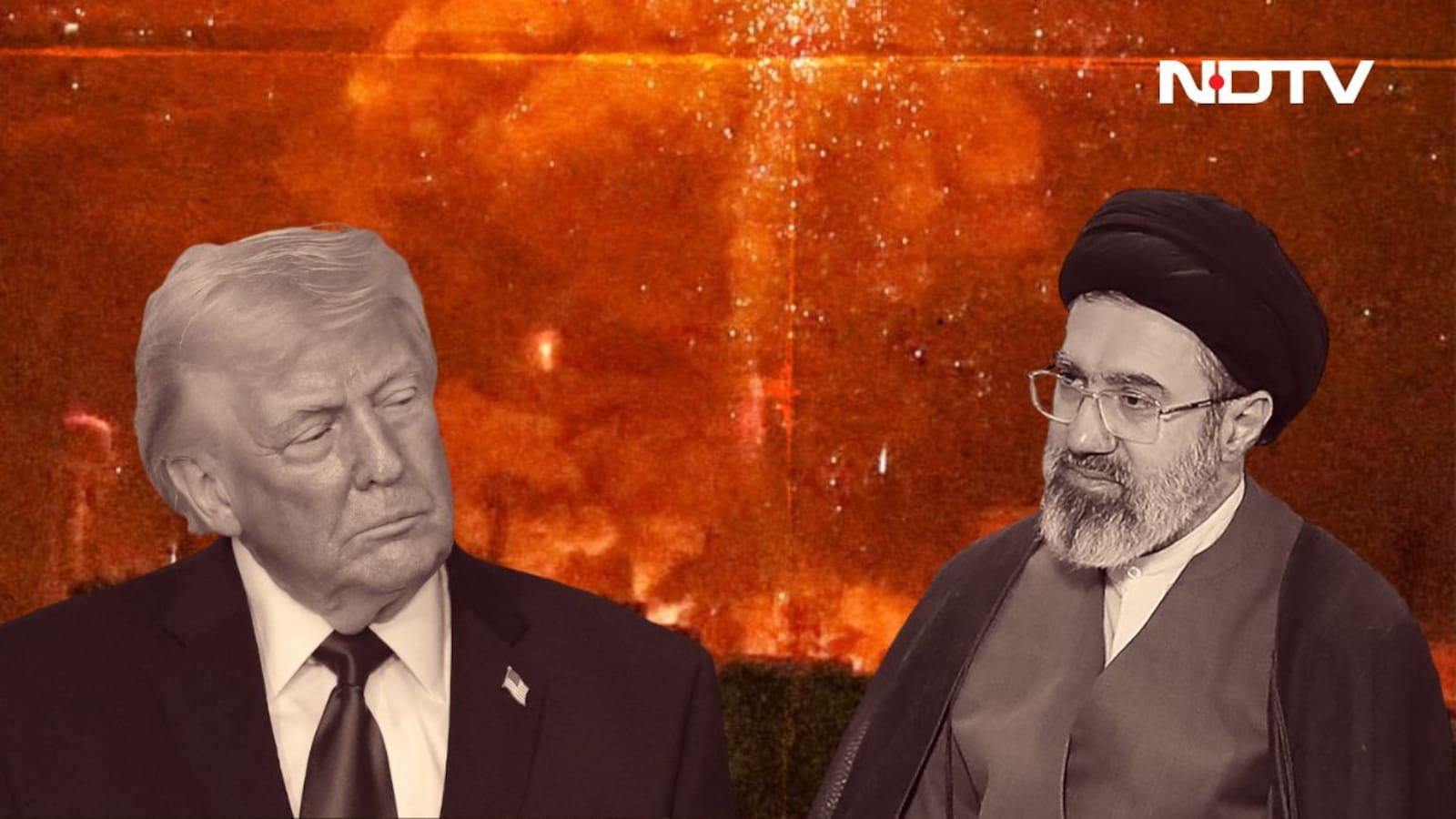
US-Iran Strikes Escalate as Tehran Warns of New Strategy
Trump Warns of Fresh Iran Strike After Heavy Attack

Wall Street Rebounds as Investors Reassess Risky Stocks

Trump Says US Could Attack Iran Again at Will

U.S. Treasury Yields Ease as Jobs Data Misses Expectations