

1 hr ago
CURE Bill Seeks Integrated Governance for Hyderabad, Raises Democracy Concerns
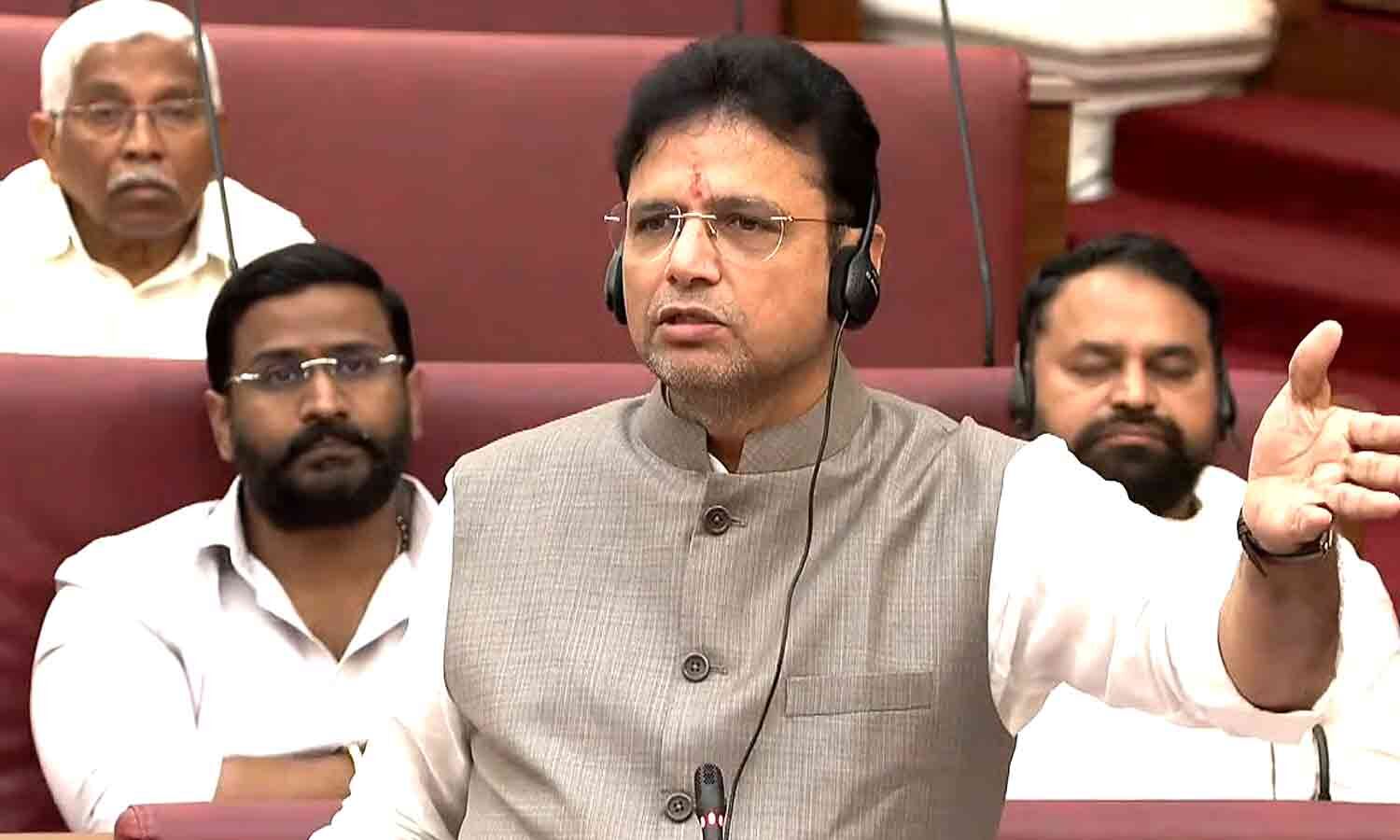
Hyderabad has grown much larger since its old city-government law was created in 1955.
The Telangana Government wants to use the CURE Bill to manage the wider metropolitan area together.
The plan would bring three municipal corporations under one system.
This could help different departments work together on floods, traffic, garbage, water and roads.
However, some people worry that too much power could move to the state government and its officials.
They also want to know whether mayors and other elected representatives will still have an important role.
People are concerned that taxes could rise, although annual property-tax increases would be capped at 10 percent.
The Bill will be judged by whether it actually improves daily civic services and reduces corruption and waste.

The Telangana Government has passed the CURE Bill to replace the 1955 GHMC framework across Hyderabad’s metropolitan region.
The Bill covers about 2,053 sq km within the Outer Ring Road and brings three municipal corporations under one governance framework.
Supporters say integrated administration could improve responses to flooding, traffic, drainage, waste, transport and environmental problems.
Critics warn that placing the Apex Governance Council under the Chief Minister could centralise power and weaken elected local representatives.
Concerns remain over possible tax increases, corruption, bureaucratic overlap and whether reforms will deliver visible improvements in civic services.
- Who
- The Telangana Government, Hyderabad’s three municipal corporations, elected representatives, administrators and city residents.
- What
- The Telangana Government has passed the CURE Bill to replace the 1955 GHMC framework with an integrated governance system for Hyderabad’s metropolitan region.
- Where
- Across roughly 2,053 sq km within Hyderabad’s Outer Ring Road, covering GHMC, Cyberabad Municipal Corporation and Malkajgiri Municipal Corporation.
- When
- The Bill has been passed; the article says the next Budget is about six months away.
- Why
- To reduce administrative fragmentation and coordinate services including flood control, traffic, transport, drainage, water, waste management, lake protection and disaster management.
Supporters of Integrated Reform
Critics Concerned About Centralisation
Metropolitan coordination
Supporters of Integrated Reform
A common framework could end fragmented administration and improve coordination among agencies responsible for roads, drainage, water, transport, lakes, waste and disaster management.
Critics Concerned About Centralisation
Creating a new metropolitan structure could produce another layer of administrative complexity if responsibilities are not clearly defined.
Role of elected representatives
Supporters of Integrated Reform
Supporters say bringing the three corporations together can improve region-wide service delivery and therefore the Bill should not be rejected outright.
Critics Concerned About Centralisation
Critics fear that an Apex Governance Council led by the Chief Minister and supported by senior officials could reduce mayors, corporators and local representatives to an ornamental role.
Revenue and taxation
Supporters of Integrated Reform
Higher or reformed taxation may be necessary because municipal infrastructure requires substantial spending, while the 10 percent annual property-tax cap offers some protection.
Critics Concerned About Centralisation
Residents may face increased taxes, particularly if property-market values expand the tax base; the government has said only high-profile sections may have to pay more.
Key facts
- Bill’s purpose
- To replace the 1955 GHMC legal framework with a framework for Hyderabad’s metropolitan region.
- Area covered
- About 2,053 sq km within the Outer Ring Road.
- Municipal corporations
- GHMC, Cyberabad Municipal Corporation and Malkajgiri Municipal Corporation.
- Population comparison
- The old law was created when Hyderabad’s population was about 15 lakh; the present metropolitan region has about 1.3 crore people.
- Bill structure
- The Bill reportedly contains 319 sections, 43 chapters and nine schedules, compared with 687 sections in the old Act.
- Property-tax safeguard
- The government has agreed to cap annual property-tax increases at 10 percent.
- Proposed leadership
- The Apex Governance Council would be headed by the Chief Minister, while an Executive Committee would include senior administrators, police and municipal officials.
Sources
Related news
Telangana Introduces Core Urban Region Governance Bill
BJP Calls Hyderabad a ‘Tragic City’ Under Congress, BRS

BJP Links Civic Poll Victory to Transparent Central Aid
Telangana Government Reconstitutes Hyderabad Growth Corridor Board With 10 Members

Telangana Minister Tables Core Urban Region Bill for Hyderabad

Durgam Cheruvu Closed for Maintenance Amid Sewage Concerns

Durgam Cheruvu Closed to Visitors for Maintenance Works

Cyberabad Corporation Reports 34 Demolitions in Two-Day Drive

Hyderabad Prepares for Ganesh Idol Immersion Under New Civic Setup
