1 month ago
India Pushes Local Data Centers for Sustainable Digital Growth

India is becoming a big digital country where people use phones and computers a lot.
To keep everything fast and safe, India wants to build its own big computer centers inside the country instead of using ones in faraway places.
The states are giving money and good power to attract these big centers.
These centers can use clean energy from the sun and wind, and cool themselves with seawater or recycled water, so they don’t waste a lot of electricity or water.
By adding more underwater cables, India can make sure everyone gets a quick internet connection and can be a model for other countries to follow.

India’s high mobile data use and AI adoption drive demand for local data centers.
Domestic data centers reduce latency, protect data sovereignty, and keep capital in India.
States offer incentives like subsidies, power concessions, and single‑window clearances to attract hyperscale investments.
Environmental concerns are addressed with renewable energy, seawater cooling, and reclaimed wastewater use.
Expanding submarine fiber‑optic cables and green policies position India as a global sustainable digital infrastructure leader.
- Who
- Indian government, state governments, and private hyperscale tech companies
- What
- Building domestic data centers powered by renewable energy and seawater cooling
- Where
- India, including Andhra Pradesh, Maharashtra, Tamil Nadu, Telangana, Uttar Pradesh, and the National Capital Region
- When
- Current and ongoing
- Why
- To reduce latency, protect data sovereignty, keep capital in India, and achieve environmental sustainability
Key facts
- Digital data consumption per capita
- High
- Data localization law
- Digital Personal Data Protection Act
- Renewable energy target for data centers
- 100% clean power
- State incentives
- Capital subsidies and power tariff concessions
- Submarine cable expansion
- New landing stations in Visakhapatnam, Kochi, Tuticorin
Sources
Related news
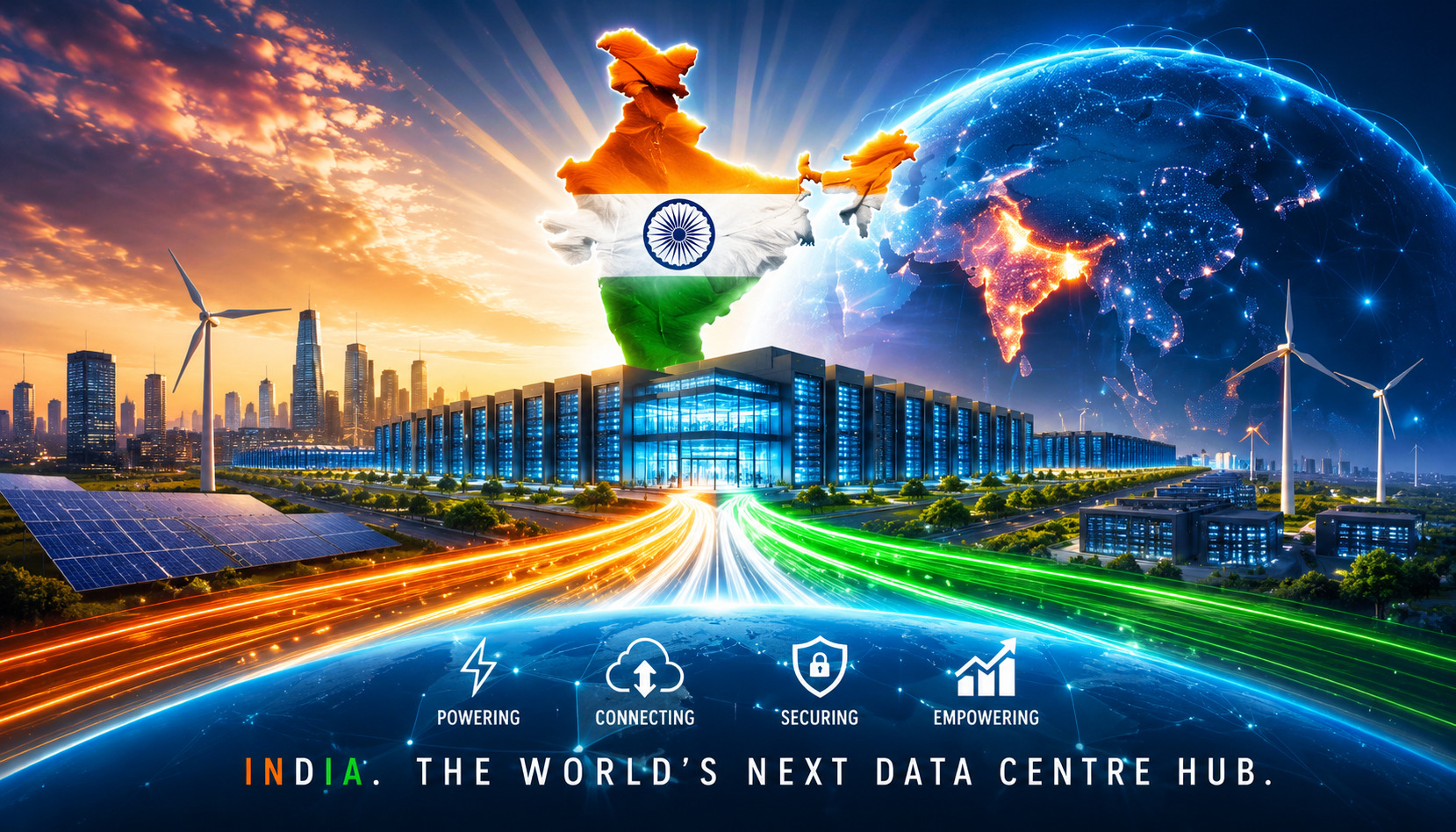
India's data centre boom builds foundations for digital future
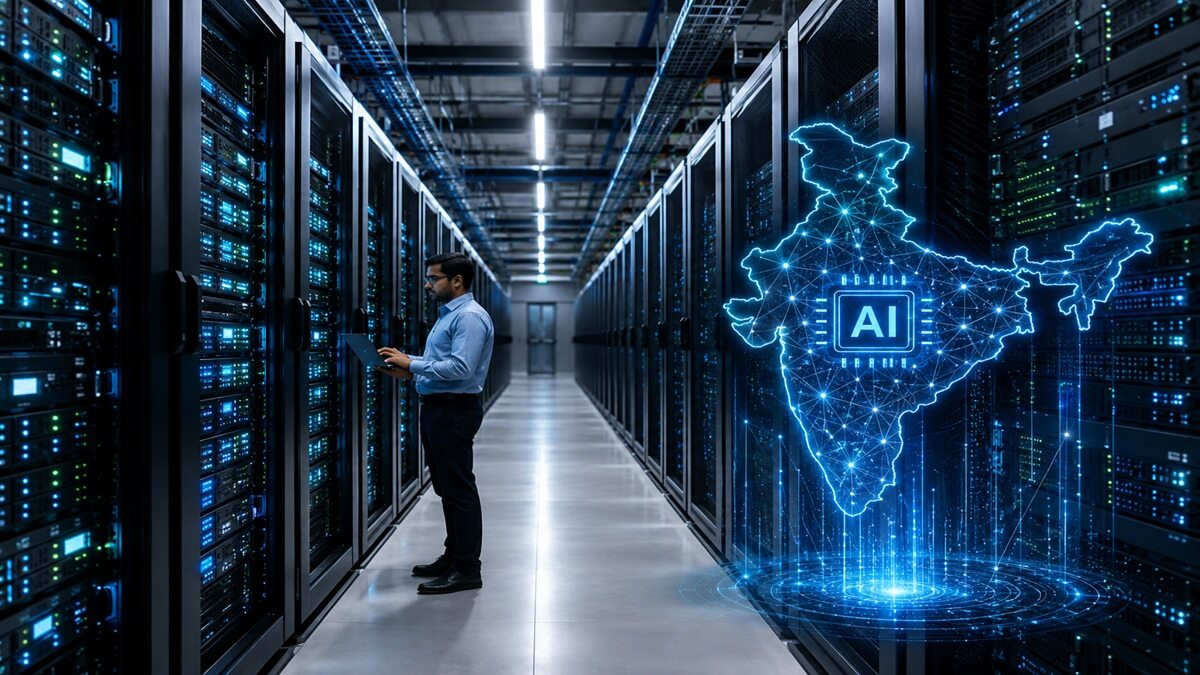
India's data centre capacity surges four-fold to 1,575 MW
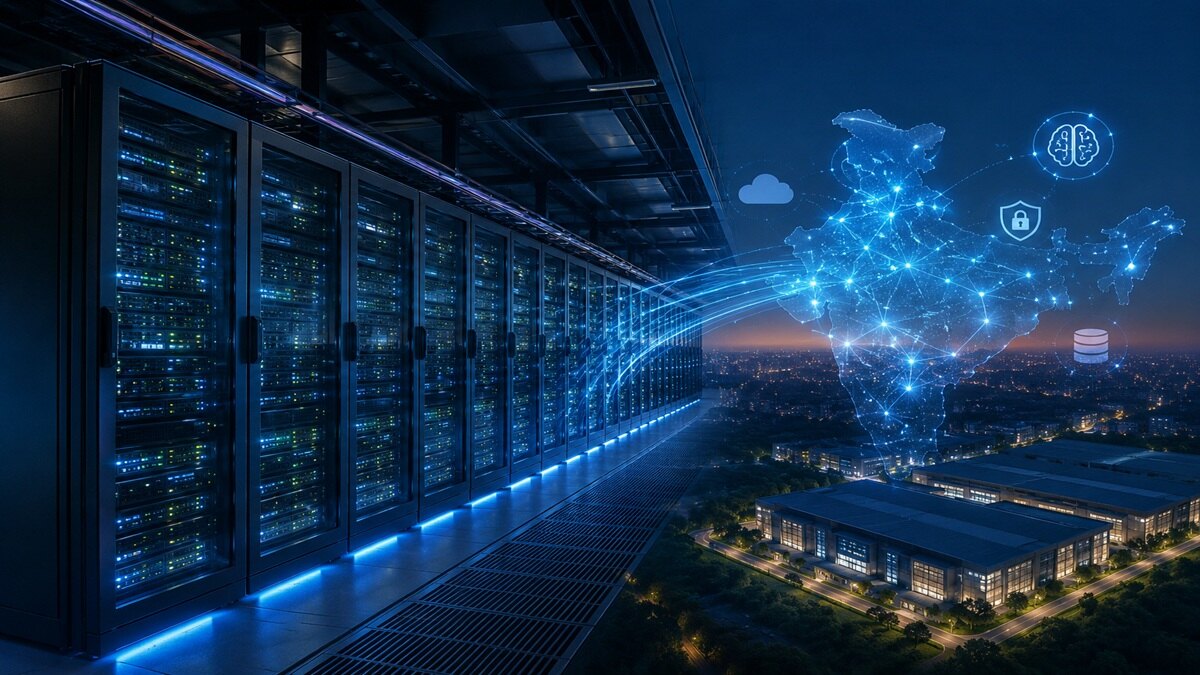
India’s Data Centre Capacity Could Triple by 2030
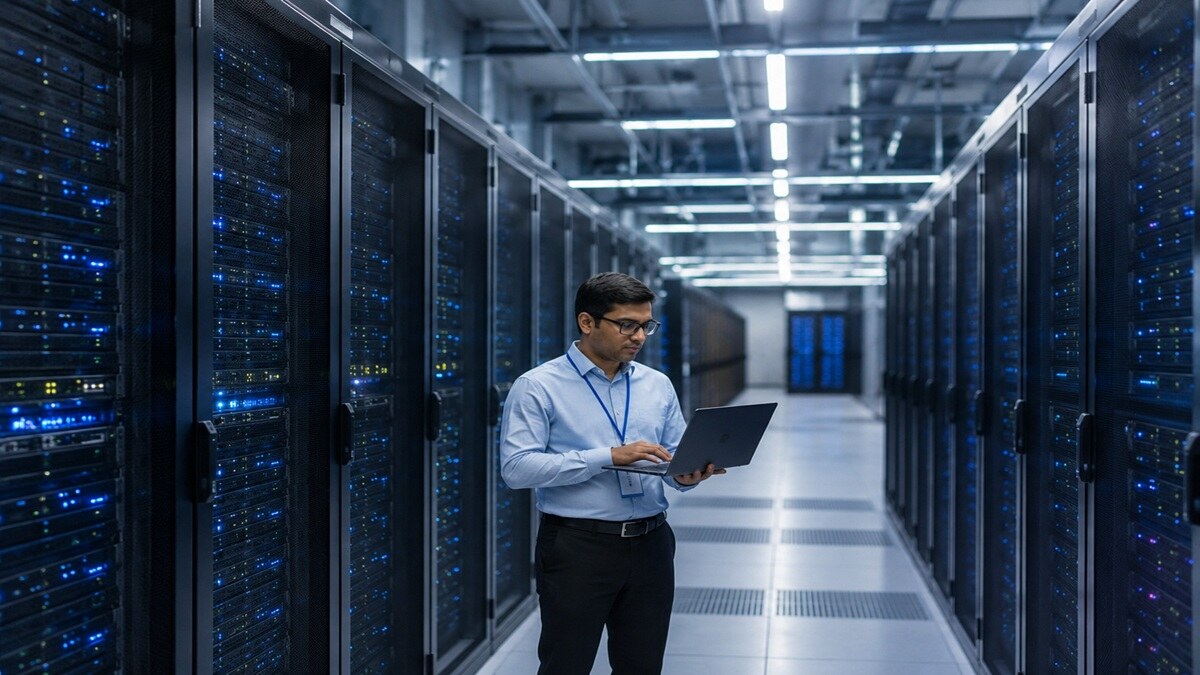
India’s Clean Energy and 5G Fuel Data Centre Boom
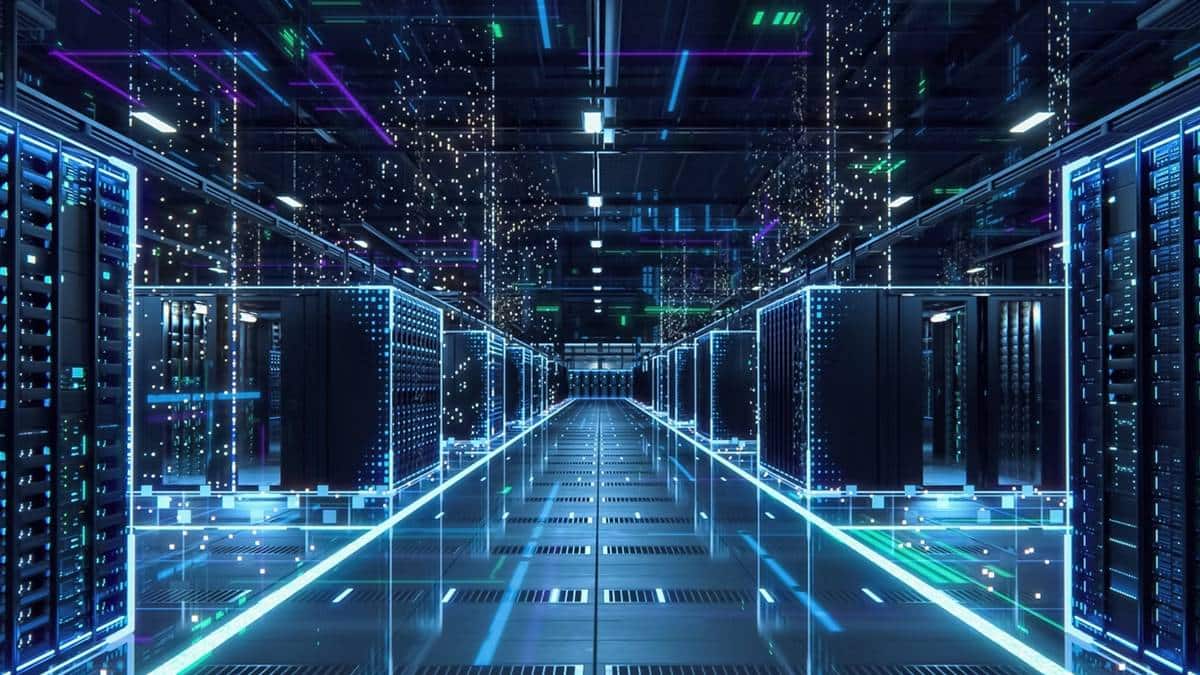
Mumbai breaks into world's Top 15 data centre markets
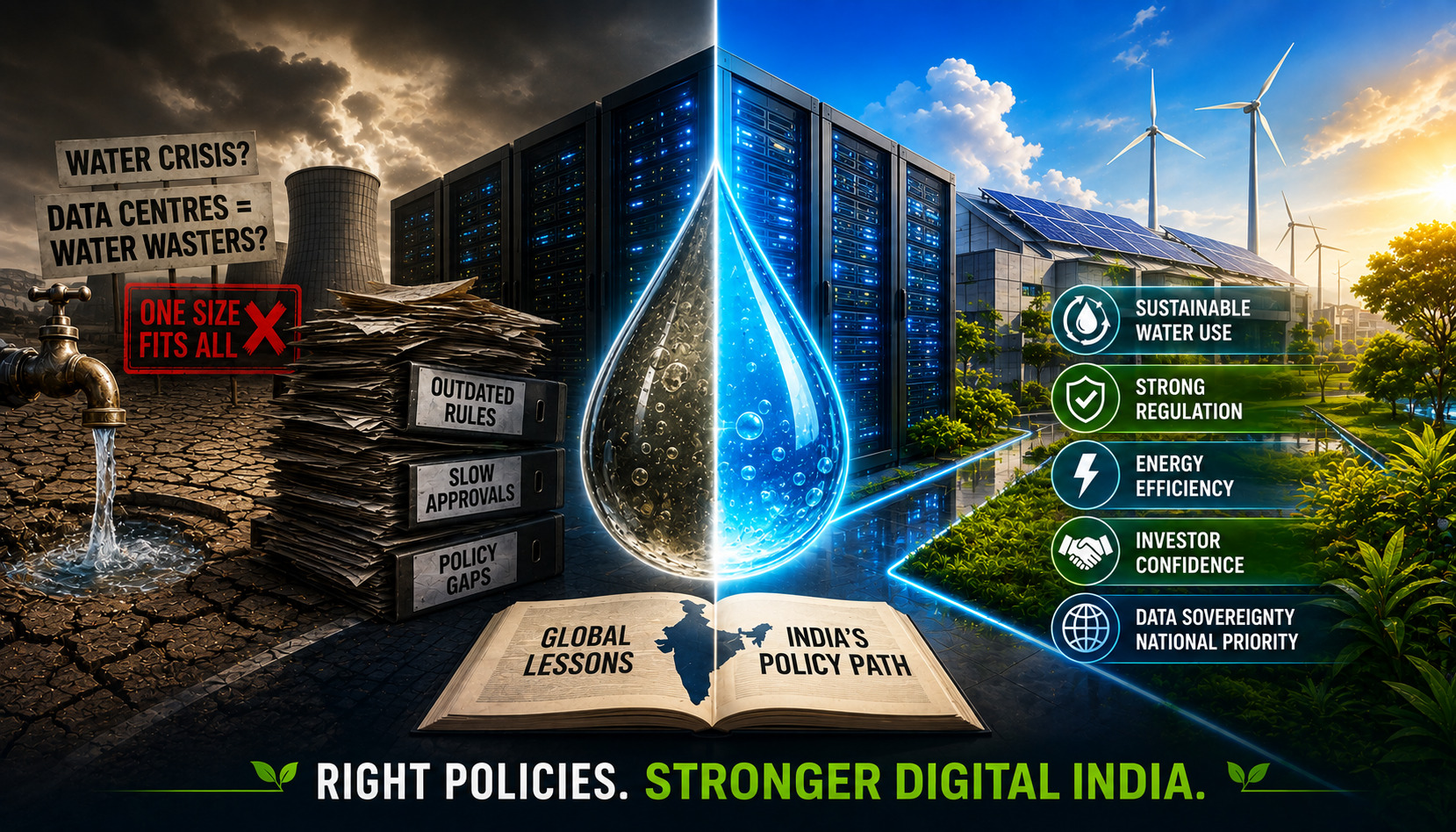
India's Data Centre Policy Push Aims to Protect Sovereign Data

Readers Urge Granular Planning, 5G Regulation, Uranium Reserve
TRAI proposes quality of service norms for 5G network slicing

Digital Revolution Spurs New Gen Z Job Opportunities

Mizoram Minister Advocates 'Land-Linked' for Northeast