3 weeks ago
Gold to Gucci: India's aspiration economy beckons luxury brands

In India, people have always loved gold.
Gold is not just pretty jewellery; it is like a piggy bank that families pass down.
Today, many Indians also want fancy bags and clothes from big brands.
They see these things on phones and apps like Instagram.
People save up money or pay bit by bit to buy them.
They do this to show friends and family who they are.
A city called Hyderabad has old culture from kings and new businesses making money.
Big brands often do not notice the opportunity there.
Smart computers called AI can help brands suggest gifts for festivals and weddings and speak to customers in Indian languages.
Brands that understand India will do well, and brands that do not will lose customers.

India's luxury market is evolving, driven by rising incomes and a generation that saw luxury on Instagram before it could afford it in stores.
Middle-class working professionals treat luxury purchases as strategic status investments, often made on EMI or after months of deliberate saving, not impulse buys.
Hyderabad is highlighted as an overlooked luxury market, combining Nizami heritage with new wealth from the Financial District, pharma industry and the startup ecosystem.
The article outlines three AI opportunities for luxury brands in India: occasion intelligence, vernacular clienteling and aspirational path mapping.
Luxury brands are urged to treat India as a distinct market rather than a mini-Western one, or risk losing aspirational customers permanently.
- Who
- Indian consumers, especially middle-class working professionals and young, well-travelled wealthy customers in cities like Hyderabad, along with luxury brands operating in India.
- What
- India's luxury market is shifting from gold as status to branded luxury goods, driven by social media aspiration and rising incomes; the article urges brands to adapt and use AI to tap into this growth.
- Where
- India, with specific focus on Delhi, Mumbai, Bengaluru and Hyderabad, and a mention of Singapore in a gifting example.
- When
- Not explicitly stated; the article describes the current ongoing evolution of India's luxury market.
- Why
- Social media bridged the distance between seeing and wanting luxury, and displaying status is a strategic purchase decision that brands must understand to win Indian customers.
Key facts
- Market
- India's luxury market (evolving)
- Key cities
- Delhi (inherited wealth), Mumbai (performance wealth), Bengaluru (tech wealth), Hyderabad (heritage plus new economy)
- Drivers
- Rising incomes and social media platforms like Instagram
- Purchase behavior
- EMI or months of saving; strategic status investment
- Hyderabad wealth sources
- Financial District, pharma industry, startup ecosystem
- Hyderabad heritage
- Nizami culture, jewellery, opulent weddings, grand hospitality
- AI opportunities
- Occasion intelligence, vernacular clienteling, aspirational path mapping
Sources
Related news

GPHG India 2026 Brings Global Watchmaking Spotlight To India
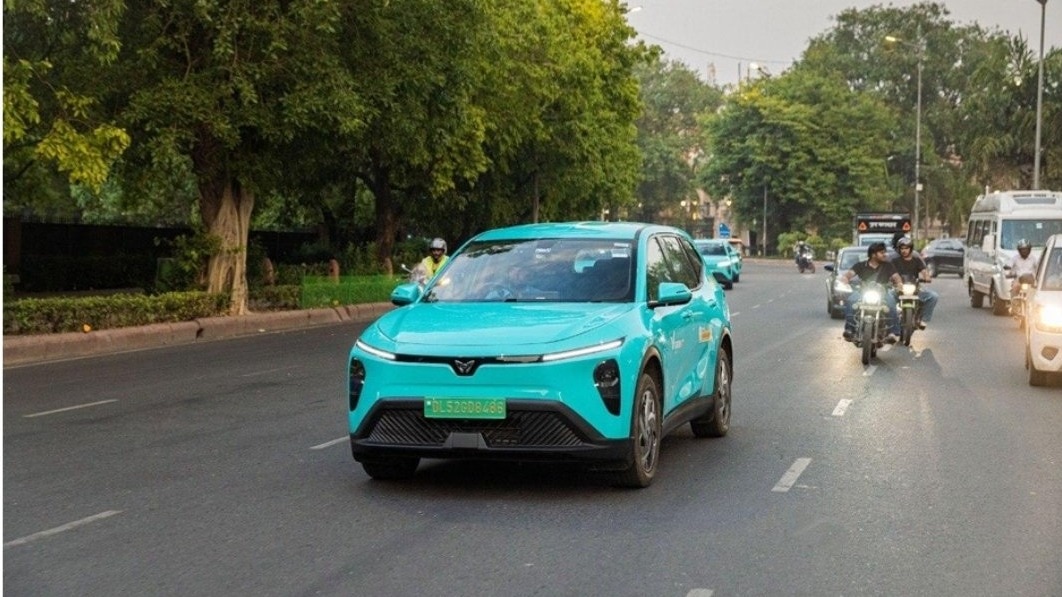
In Modern India, Rides Become Statements of Personal Identity

Naughty Rituals Seeks to Democratize Luxury Lingerie in India

Global Brands Expand India’s Luxury Branded Residences Market
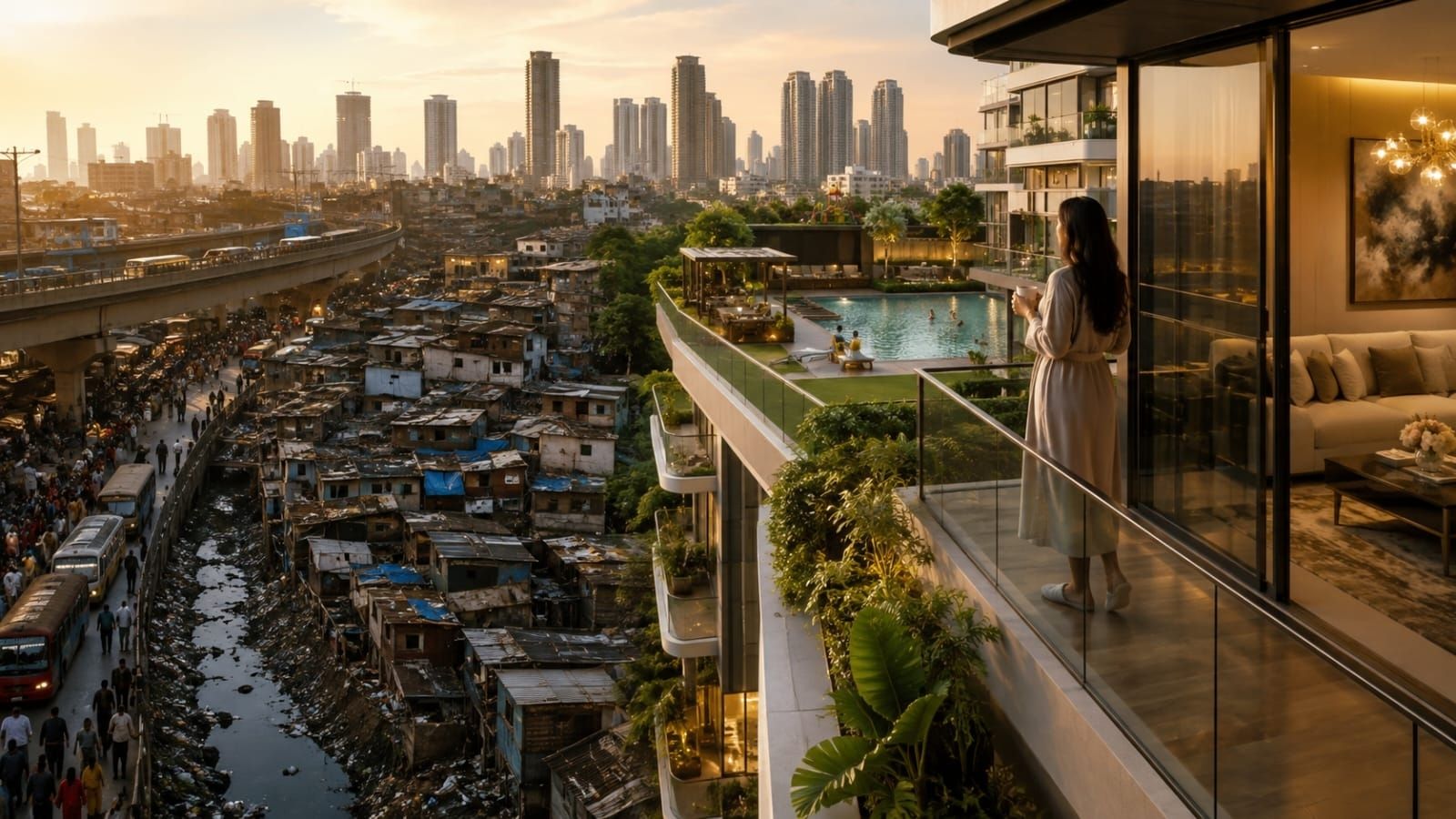
India Premium: Luxury Real Estate Offers Escape From Broken Cities

Wealth Wave Powers Hyderabad's Ultra-Luxury Housing Surge
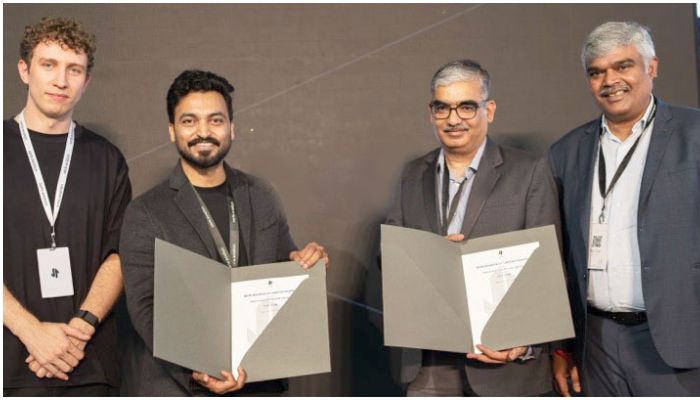
Tata Elxsi, Sarla Aviation Partner on India’s Electric Air Taxi

India-Brazil Friendly Tickets Sell Out as Kolkata Anticipates Clash

Advocate Seeks Removal of Burial Sites from Bengaluru Kala Grama

Shivakumar Calls BJP Padayatra Cover-Up for Internal Crisis

Futura MedTech Appoints Abhishek Bhargava as Group CEO