1 week ago
Gujarat’s Bhujodi Preserves 500-Year Handloom Legacy for Global Markets
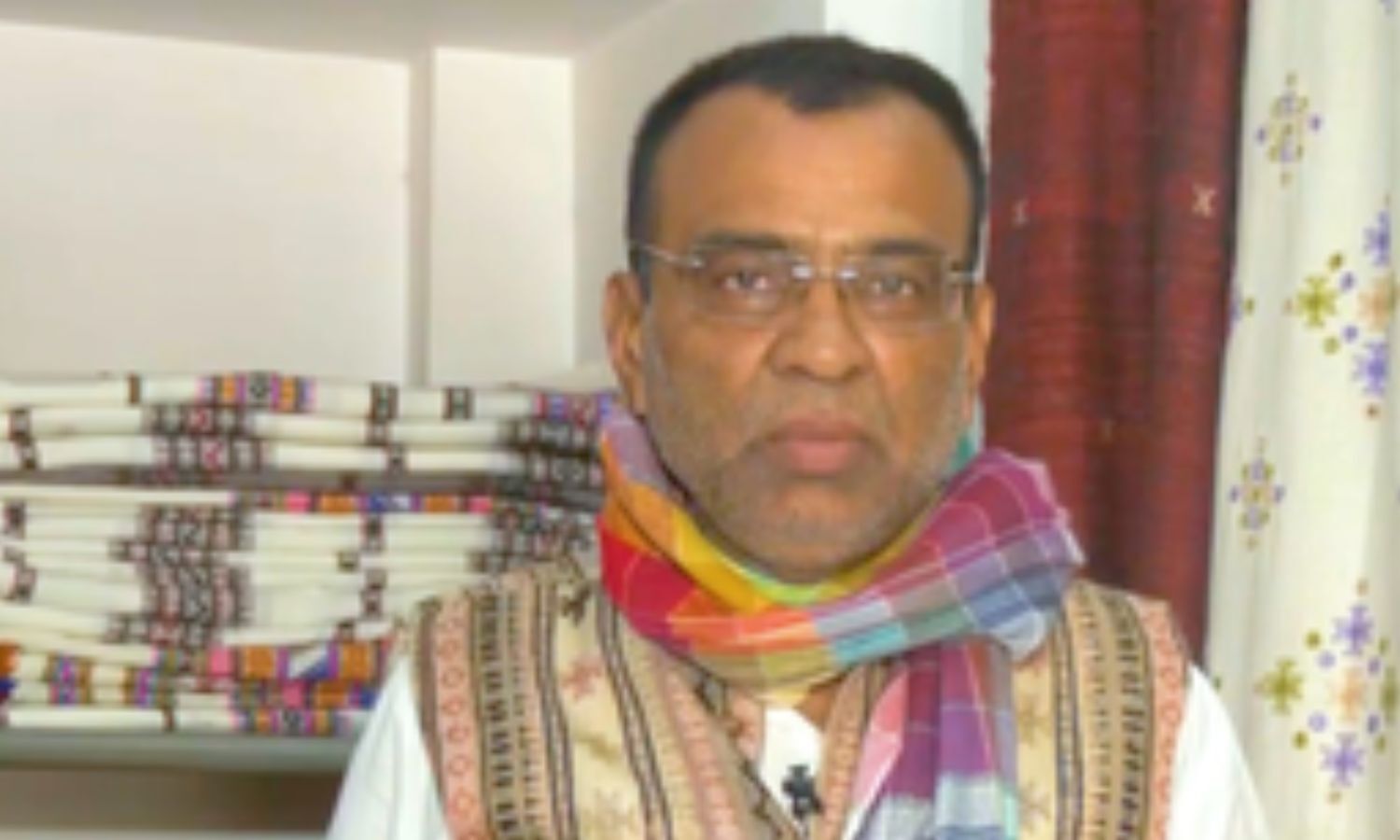
Bhujodi is a village in Gujarat known for making traditional cloth by hand.
Its weaving tradition has continued for about 500 years.
Families have passed the skill from one generation to the next.
Artisans make shawls, sarees, and dupattas on handlooms.
Their special Kutchhi shawls can be made from wool, Pashmina, or cotton dyed with natural colours.
The shawls received a special GI tag in 2010 to help protect the traditional design.
Government exhibitions and marketing support have helped the artisans find more customers.
Their products are now sold in more than 18 countries, including the United States, Japan, and Germany.

Bhujodi village in Kutch has preserved a handloom tradition dating back about 500 years.
Artisans manually produce shawls, sarees, and dupattas from yarn using handlooms and innovative designs.
Kutchhi shawls made from wool, Pashmina, or naturally dyed black cotton received a Geographical Indication tag in 2010.
Around 350 artisans and women participate in production, with goods exported to more than 18 countries.
Government exhibitions, fairs, Rann Utsav, and online sales have helped expand demand and market access.
- Who
- Bhujodi’s Vankar, also known as Meghwal, artisans and participating women, supported by Gujarat’s Khadi, Cottage, and Rural Industries Department.
- What
- A roughly 500-year-old handloom tradition is producing internationally recognized shawls and other textiles.
- Where
- Bhujodi village in Gujarat’s Kutch district, with products reaching markets in more than 18 countries.
- When
- The craft dates back about 500 years, and the Kutchhi shawl received its GI tag in 2010.
- Why
- Government support, exhibitions, fairs, promotional efforts, and online sales have expanded market access; the GI tag helps prevent duplication of the traditional craft.
Key facts
- Craft tradition
- Bhujodi’s handloom weaving tradition dates back about 500 years.
- Main products
- Shawls, sarees, and dupattas are made manually on handlooms.
- Kutchhi shawl materials
- Raw wool, Pashmina, or black cotton dyed with natural colours.
- GI recognition
- The Kutchhi shawl received a Geographical Indication tag in 2010.
- Participation
- About 350 artisans and women are involved in producing the handloom goods.
- Export reach
- Products are exported to more than 18 countries, including the United States, Japan, and Germany.
- Awards
- Bhujodi weavers have won more than 50 national and international awards.
- Market support
- Exhibitions, Rann Utsav, handloom fairs, and online sales have helped increase demand.
Quotes
Shyamjibhai Vankar
Bhujodi handloom artisan
“My department is working tirelessly in this direction. Arrangements are being made to ensure they gain access to increasing employment and earning opportunities in the near future. A few days ago, I inaugurated a showroom in Ahmedabad; I was truly amazed when I saw the handloom items displayed there.”
 thehansindia.com
“The government invited us to exhibitions in cities like Delhi, Mumbai, and Kolkata for design and marketing purposes, which helped us immensely. Furthermore, these exhibitions have greatly expanded our market reach.”
thehansindia.com
Sources
Related news

Sharan village weavers celebrate handloom revival as income source

Handloom Village tag opens new income avenues for Sharan artisans

Officials Encourage Youth to Revive Chundur’s Traditional Handloom Weaving

'Garvi Gurjari' showroom opens in Gandhinagar for traditional crafts

Gujarat CM urges handloom purchases to uplift rural artisans
GI Tag Boosts Kuppadam Silk Sales by 30 Percent

Banni Grassland Revival Could Elevate Kutch’s Global Tourism Profile