1 week ago
Doctor Warns Frequent Buldak Ramen Consumption May Raise Sodium Risks
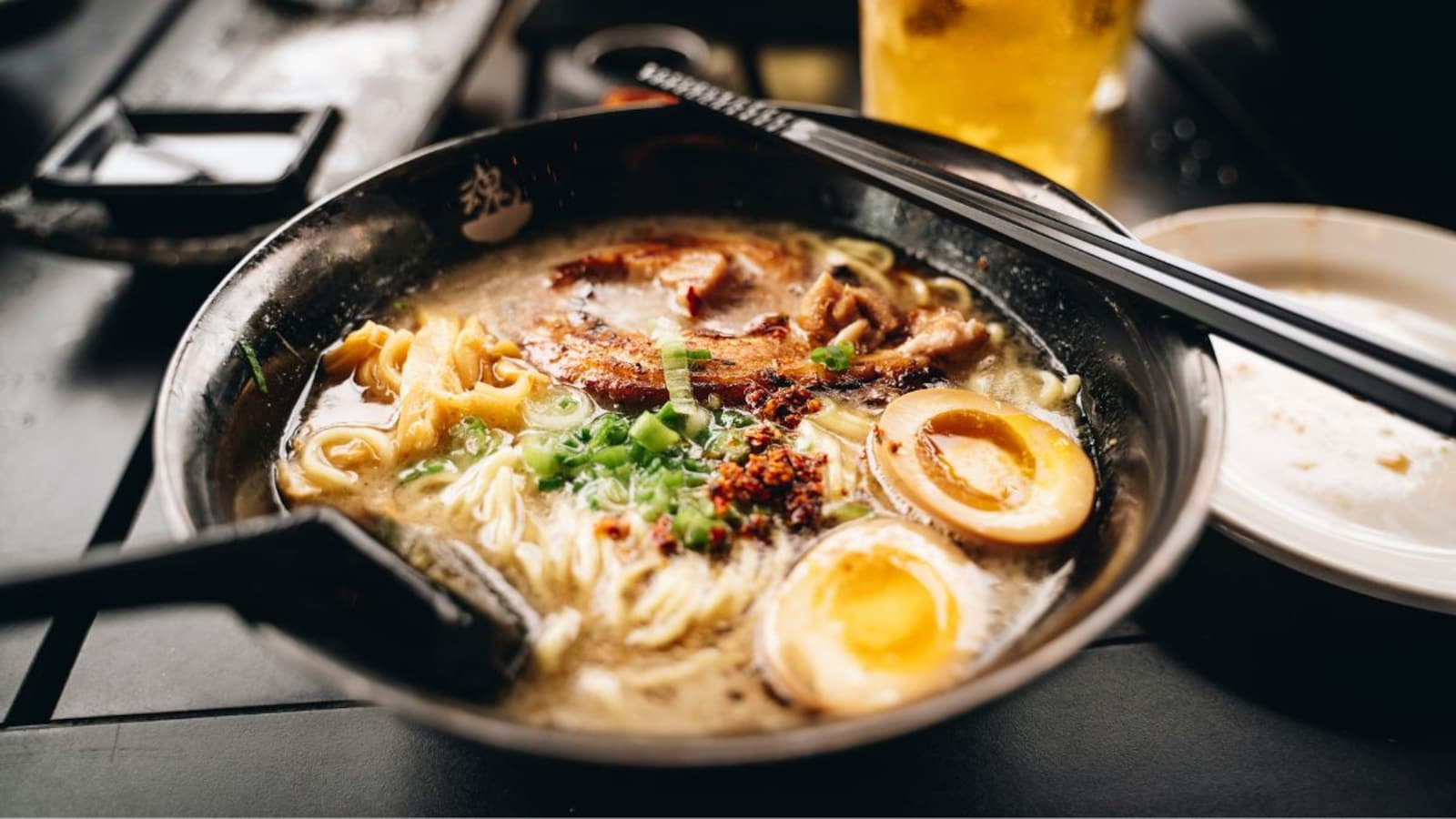
Buldak Ramen is a spicy Korean instant noodle meal.
It is quick and tasty, but one packet can contain more than 1,000 milligrams of sodium.
Sodium is a part of salt that the body needs in small amounts.
Eating too much sodium regularly may increase blood pressure over time.
The noodles also have refined carbohydrates and not much fibre.
You can use less of the sauce or seasoning packet.
Adding vegetables, eggs, tofu, chicken, or shrimp can add more nutrients.
However, these toppings do not remove the sodium already in the noodles.
The doctor says it is best to enjoy instant noodles sometimes, not every day.

Buldak Ramen can contain more than 1,000 milligrams of sodium per packet.
Dr Kunal Sood said frequent high-sodium consumption may raise blood pressure over time.
The noodles are typically made with refined carbohydrates and contain relatively little fibre.
Using less seasoning and adding vegetables or protein can make the meal more balanced.
The doctor recommends eating instant noodles occasionally rather than as an everyday meal.
- Who
- Dr Kunal Sood, a doctor double board-certified in anesthesiology and interventional pain medicine, discussed the health concerns.
- What
- He warned that frequent consumption of Buldak Ramen can provide excessive sodium and may contribute to raised blood pressure over time.
- Where
- The advice was shared on Instagram; no physical location was specified.
- When
- Dr Sood recently shared his advice on Instagram.
- Why
- Because a packet can contain more than 1,000 milligrams of sodium, while the U.S. Food and Drug Administration recommends keeping daily sodium intake below 2,300 milligrams.
Key facts
- Food discussed
- Buldak Ramen, a South Korean instant noodle brand
- Sodium per packet
- More than 1,000 milligrams, with some varieties containing about 1,000 to 1,200 milligrams
- Daily sodium guidance
- The U.S. Food and Drug Administration recommends less than 2,300 milligrams per day
- Main concern
- Regular high-sodium consumption may raise blood pressure over time
- Noodle composition
- Typically refined carbohydrates with relatively little fibre
- Suggested changes
- Use less sauce or seasoning and add vegetables or protein such as tofu, chicken, eggs, or shrimp
- Recommended frequency
- Eat instant noodles occasionally rather than as an everyday meal
Quotes
Dr Kunal Sood
Indian-American doctor certified in anesthesiology and interventional pain medicine
“Eating it occasionally is very different from making it an everyday habit. Consistently consuming a high-sodium diet can raise blood pressure over time, especially if the rest of your diet is also high in salt.”
 NDTV
NDTV
“If you eat Buldak Ramen often, the part that could affect your health the most probably isn't what you think.”
NDTV
Sources
Related news
Experts Explain How to Make Ramen Right, Avoiding Common Mistakes

How Japan’s Postwar Food Crisis Inspired Instant Ramen
Acharya Balkrishna Highlights Salt, Lemon and Digestive Balance

Experts Question Claims About the ‘Most Dangerous Carbohydrate’

Tamil actor Silambarasan quits biryani, switches to vegetarian diet
Mumbai FDA Suspends Two Food Licences, Flags Two More

USFDA Warns Reliance Life Sciences Over Navi Mumbai Drug Lapses

Gujarat Seizes 42.9 Tonnes Adulterated Food, Cancels Drug Licences

How Treatment-Resistant Depression Can Improve With Combined Therapies

Indian Stocks in Focus After Key Corporate Announcements