10 hrs ago
How Treatment-Resistant Depression Can Improve With Combined Therapies
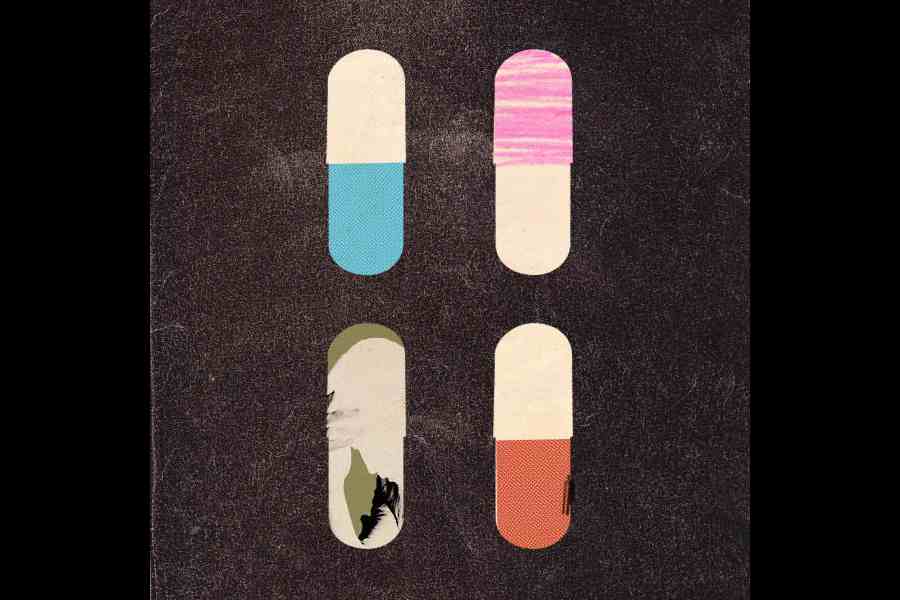
Some people with depression do not feel better after trying several medicines.
Doctors may call this treatment-resistant depression.
It does not mean the depression cannot improve.
Doctors can check for other health problems that may be making symptoms worse.
They may combine medicine with therapy, lifestyle changes or brain-stimulation treatments.
One treatment, called TMS, uses magnetic pulses to stimulate parts of the brain.
Another treatment, esketamine, is given as a nasal spray called Spravato.
Juan Rivera said Spravato helped him feel better after his second session.
Experts say people may need a combination of treatments rather than one magic pill.

Treatment-resistant depression is often defined as insufficient improvement after two antidepressants tried in succession.
Factors linked to treatment resistance include childhood trauma, anxiety, medical conditions, sleep apnea and genetic differences.
Treatment options can include additional medicines, psychotherapy, lifestyle changes and transcranial magnetic stimulation.
Studies found that TMS and esketamine improved remission rates for some people with treatment-resistant depression.
Juan Rivera reported feeling better after beginning intranasal Spravato, though experts say no single treatment works for everyone.
- Who
- People with treatment-resistant depression, including Juan Rivera, along with psychiatrists and researchers quoted in the article.
- What
- Doctors are studying and using combined treatments for depression that has not improved with initial antidepressants.
- Where
- The article discusses treatment and research in the United States, including clinics at UC Davis Health and Yale.
- When
- Rivera began intranasal Spravato recently; TMS was cleared by the US Food and Drug Administration in 2008, and Spravato was approved in 2019.
- Why
- Some people do not improve after standard antidepressants, potentially because of medical, psychological, genetic or other contributing factors.
Key facts
- Common definition
- Less than 50% improvement after two different antidepressants, each taken for four to six weeks.
- Estimated prevalence
- A 2021 study estimated that 31% of people in the United States treated for depression are treatment resistant.
- TMS evidence
- A 2023 meta-analysis of 19 clinical trials found patients receiving TMS alongside an antidepressant were 2.8 times as likely to achieve remission as those receiving sham TMS.
- Spravato evidence
- In a 2019 trial, 52.5% of patients taking esketamine with an antidepressant experienced significant symptom resolution over 28 days, compared with about 31% receiving a placebo.
- Potential contributing factors
- Childhood trauma, anxiety, vitamin deficiencies, thyroid disease, heart disease, sleep apnea and genetic differences may affect treatment response.
- Additional approaches
- Options can include psychotherapy, atypical antipsychotics, lithium, TMS, esketamine and lifestyle changes.
Quotes
Juan Rivera
A Miami immigration attorney who has experienced treatment-resistant depression.
“I would be with my friends but not enjoying it fully and just sort of feeling flat”
 telegraphindia.com
Dr Gerard Sanacora
Director of the Yale Depression Research Program.
“You can take the medicine but you also have to do the other physical and social interventions that are so important”
telegraphindia.com
Sources
Related news
Brain And Gut Signals May Predict Antidepressant Response Early

Fruit juice tied to lower depression scores in UK trial
Why Sleep May Hold the Key to Psychedelic Mental-Health Treatment

Navi Mumbai Opens Centre for Addiction Recovery and Rehabilitation

Travel May Benefit Mental Health More Than Expected, Research Finds
Monsoon Blues Can Signal Depression, Mental Health Experts Say