6 days ago
Experts Explain How to Make Ramen Right, Avoiding Common Mistakes
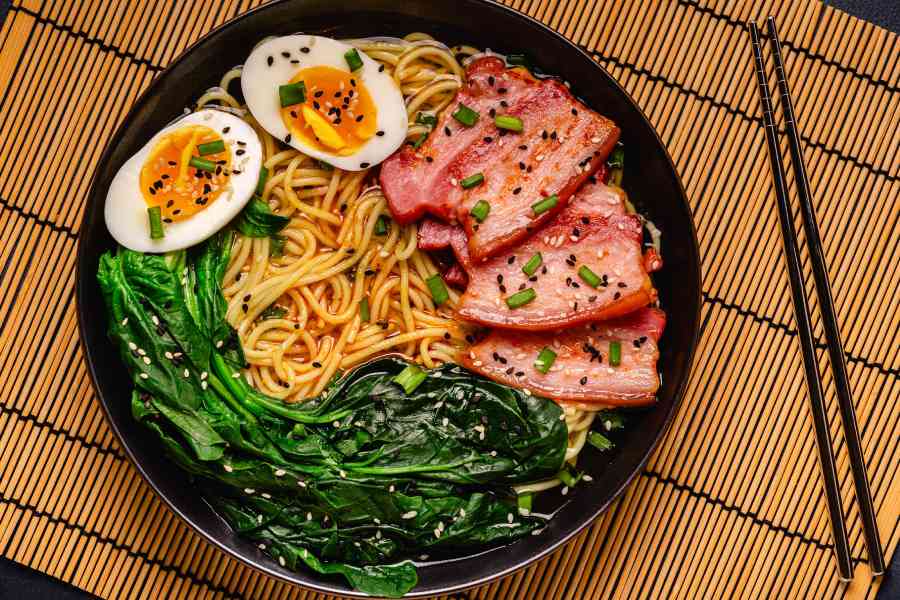
Ramen tastes best when its broth, noodles and seasoning work together.
The broth is the most important part, so it needs time to develop flavor.
You should taste the broth before adding more seasoning.
Use only a few toppings so they do not hide the main flavors.
Toppings can add richness, freshness or crunch.
Adding too much sauce, oil, cheese, cream or meat can make the bowl unbalanced.
Ramen noodles should not be cooked until very soft because they keep cooking in the soup.
The experts say patience and simplicity are the keys to a good bowl.

Experts say ramen depends on balancing broth, noodles and seasoning.
A flavorful broth requires patience, careful seasoning and tasting before adding toppings.
Toppings should be limited to a few ingredients that add contrast and texture.
Excessive sauces, oils, spices, meat or other additions can overpower the broth.
Noodles should retain a slight bite because they continue cooking in the broth.
- Who
- Shopno Banerjee of Akira and Archan Ray, author and co-founder of Safarnama, shared advice on making ramen.
- What
- The experts explained how to prepare a balanced bowl of ramen and avoid common cooking mistakes.
- Where
- The advice was discussed in relation to ramen and its growing popularity in Kolkata.
- When
- The article does not specify when the experts gave their advice.
- Why
- The experts said many cooks overcomplicate ramen with excessive ingredients, sauces and toppings that can mask the broth and disrupt the bowl’s balance.
Key facts
- Core elements
- Broth, noodles and seasoning should support one another.
- Most important component
- The broth is described as the heart of ramen.
- Broth advice
- Give the broth time to develop flavor, season carefully and taste it before adding anything else.
- Topping advice
- Use a few toppings that provide richness, freshness or texture without overwhelming the bowl.
- Common additions to limit
- Too much chilli oil, garlic, sesame oil, heavy sauces, cheese, cream, raw vegetables or meat can overpower the broth.
- Noodle texture
- Ramen noodles should retain some structure and a slight bite.
- Cooking warning
- Noodles continue cooking if they sit in the broth too long.
Quotes
Shopno Banerjee
Owner of the Japanese restaurant Akira
“Don’t rush it. Don’t try to fix a weak broth with bottled sauces and unnecessary spices. Don’t overload the bowl until you can no longer taste what the ramen actually is. For me, good ramen is ultimately quite simple. It does not need more things. It needs more patience.”
 telegraphindia.com
“Overcooking the noodles because you want them softer. Ramen noodles are designed to have structure. That slight bite is part of the experience. If the noodles sit in the broth too long, they continue cooking, and the entire bowl loses its balance.”
telegraphindia.com
Sources
Related news
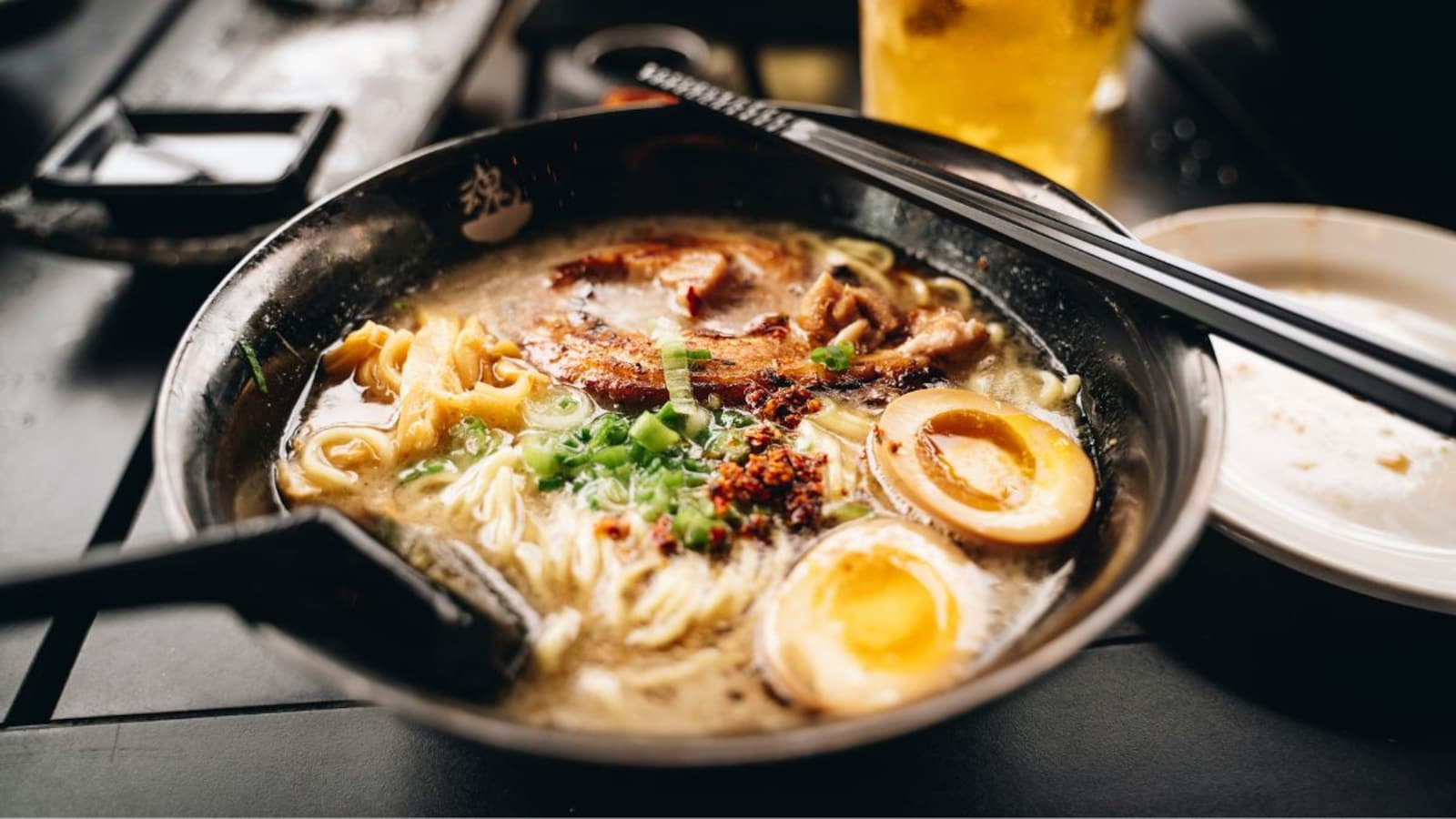
Doctor Warns Frequent Buldak Ramen Consumption May Raise Sodium Risks

How Japan’s Postwar Food Crisis Inspired Instant Ramen

Tokyo’s Michelin-Recognised Biryani Restaurant Serves One Dish
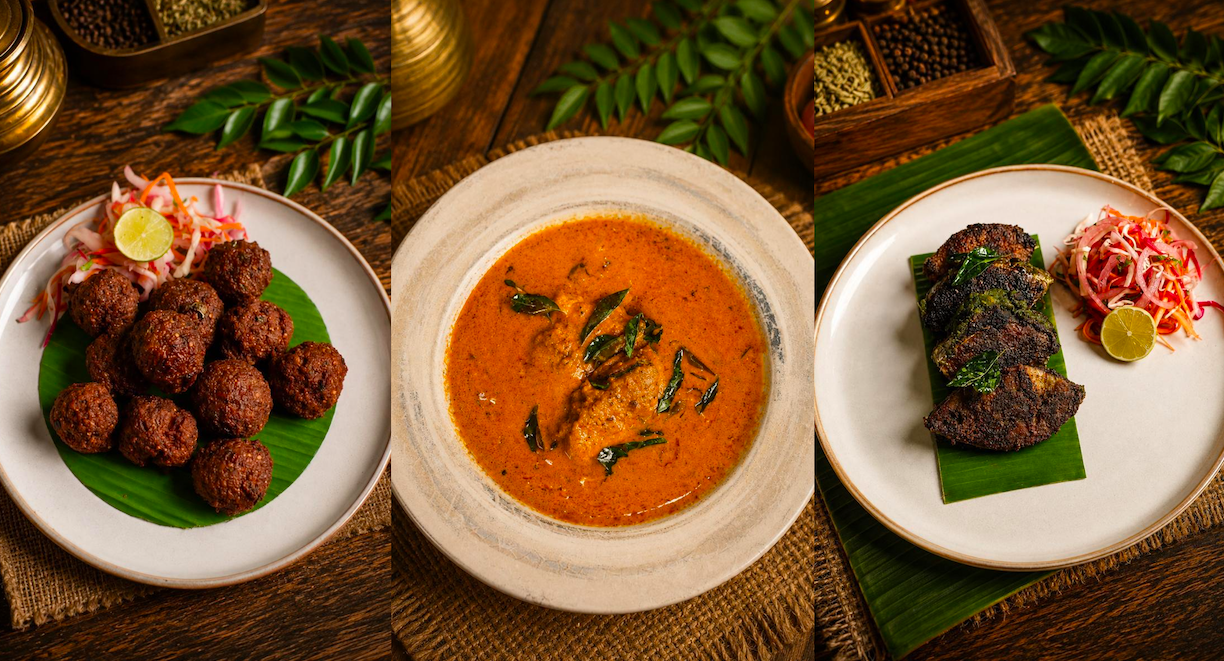
Tamil Food Pop-Up at Mazzo Highlights Kongu Nadu Flavors
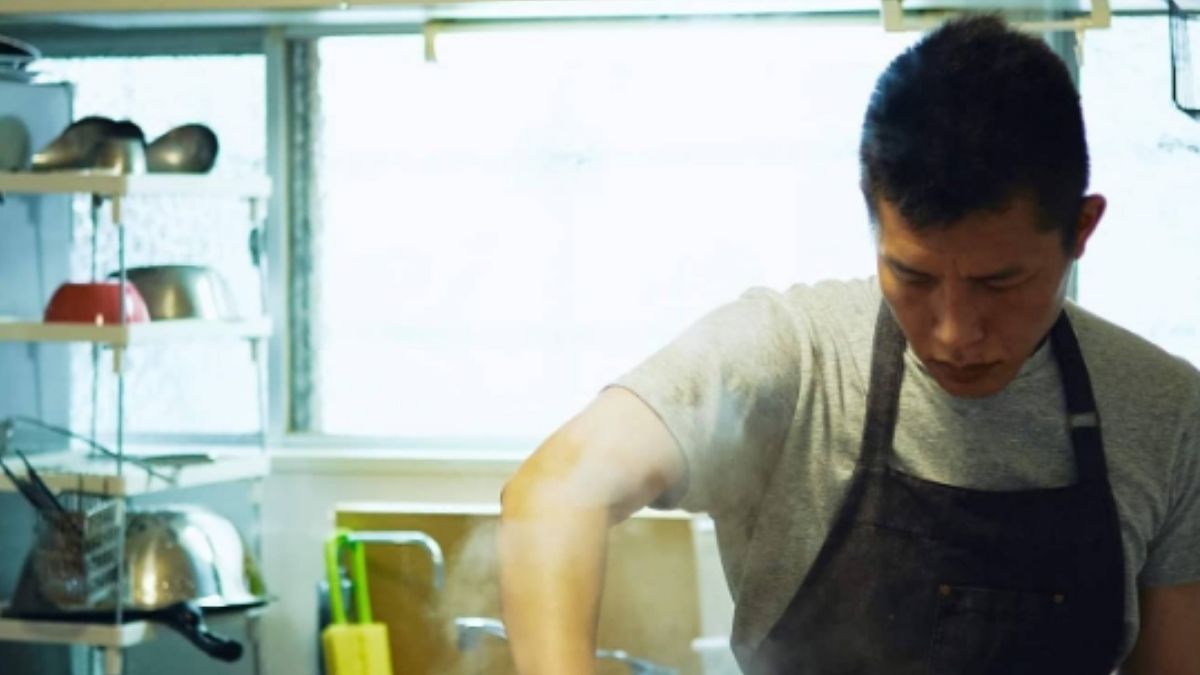
Japanese chef Takamasa Osawa turns biryani love into Michelin success

Uttam Kumar at 100: Bengal’s Eternal Mahanayak

West Bengal Sets September Delimitation Deadline for Municipal Polls

TMC Factions Turn West Bengal Assembly Gate Into Battleground
West Bengal SEC Orders Six Districts Ready Before Durga Puja
West Bengal Plans Grand Mahalaya Event, Inviting Modi and Shah