

2 hrs ago
Laptop Prices Rise as RAMageddon Disrupts Budget Computing
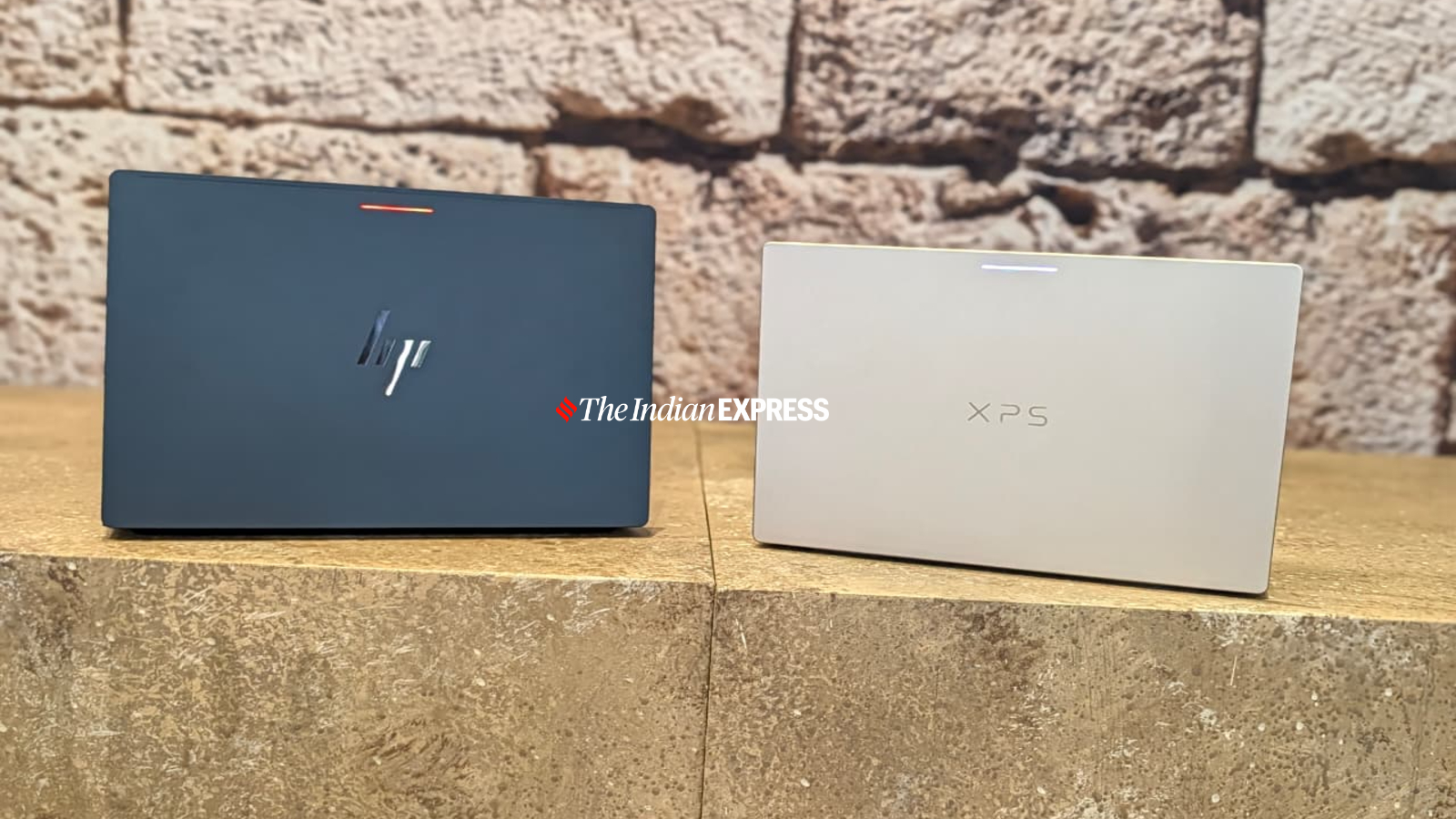
Many laptops are becoming more expensive because computer makers need memory chips.
AI companies are building large data centers that use many of these chips.
This has created a shortage and pushed up costs for laptop manufacturers.
Some companies are selling laptops with less memory or moving them into more expensive categories.
Qualcomm says it is difficult to predict when the shortage will end.
The company plans to offer inexpensive laptops using its Snapdragon C processor.
These laptops are meant to cost about $300, but the final price is not certain.
Qualcomm also says its newer laptop chips can improve battery life, speed, and webcam quality.

AI data-center expansion has contributed to shortages of DRAM, NAND, and other components, raising laptop prices.
Qualcomm executive Kedar Kondap said pricing depends partly on when manufacturers bought memory and at what cost.
Brands are reducing specifications or moving products into higher price ranges, with some laptops offering 8GB of RAM and many priced above Rs 80,000.
Qualcomm plans affordable Snapdragon C laptops from HP, Acer, Asus, and Lenovo, with an intended price near $300, though that target remains uncertain.
Kondap said Snapdragon-based laptops are gaining demand, while Qualcomm is also emphasizing battery life, performance, camera processing, and Linux support.
- Who
- Laptop manufacturers, consumers, Qualcomm executive Kedar Kondap, and companies developing AI data centers are involved.
- What
- A memory-chip shortage linked to AI data-center expansion is raising laptop costs and challenging efforts to preserve affordable models.
- Where
- The effects include India, while Kondap spoke during the Snapdragon Summit in Maui, Hawaii.
- When
- The issue has developed over the past few months; Qualcomm discussed it at the Snapdragon Summit this week.
- Why
- AI data centers are increasing demand for memory chips, creating shortages of DRAM and NAND and raising component costs.
Affordability concerns
Industry adaptation
Future laptop prices
Affordability concerns
The memory shortage could keep prices high, eliminate some entry-level models, and push consumers toward lower specifications or more expensive laptops.
Industry adaptation
Kedar Kondap said manufacturers are trying to reach balanced price points, including by changing features such as OLED displays, and Qualcomm is developing lower-cost Snapdragon C laptops.
$300 laptop target
Affordability concerns
The intended $300 price for Snapdragon C laptops may be difficult to maintain while memory costs remain elevated.
Industry adaptation
Qualcomm expects Snapdragon C devices to provide a cheaper option than some competing MacBook and Windows laptops, even though the final price is not confirmed.
Consumer demand
Affordability concerns
Higher prices and reduced memory configurations may make new laptops less attractive to budget buyers.
Industry adaptation
Kondap said consumers are increasingly choosing previous-generation Snapdragon X Elite and X Plus Gen 1 laptops because some offer higher RAM configurations.
Key facts
- Main cause
- Expansion of AI data centers has increased demand for memory chips.
- Affected components
- DRAM and NAND chips are identified as critical components facing shortages.
- Indian market
- Apple, Dell, and other brands have raised laptop prices in India.
- Budget impact
- Some companies are launching laptops with 8GB of RAM, while more models are priced at Rs 80,000 or above.
- Planned affordable processor
- Qualcomm's Snapdragon C processor is intended for ultra-affordable laptops.
- Target price
- Snapdragon C laptops are targeting about $300, or approximately Rs 28,272, but the price is uncertain.
- Expected manufacturers
- HP, Acer, Asus, and Lenovo are expected to make Snapdragon C laptops.
- India launch timing
- Kedar Kondap described the arrival of Snapdragon C laptops in India as imminent.
Quotes
Kedar Kondap
Qualcomm Technologies senior vice president and general manager of Compute and Gaming
“Everybody’s trying to figure out how to bring device prices down and keep them more balanced. Whether it means choosing a different display, instead of OLED, you start going with LCD. The industry is trying to figure out how to hit the right price points.”
 indianexpress.com
“We have a dedicated camera engine even in our PC chips. We want to route all of our camera image processing through the dedicated ISP. Once you start to see that, you will start to see people stop using external cameras”
indianexpress.com
Sources
Related news

AI Boom Drives Chipflation and Consumer Electronics Price Rises

Memory Crisis Threatens Cheap Phones as Smartphone Prices Stay High

Amazon Says Great Indian Festival 2026 Is Now or Never

MediaTek Launches New Chips Built on TSMC Advanced Processes

Amazon India Reports Electronics Volume Softness Ahead of Festive Sales

Five Student-Friendly Laptops Covering Every College Budget and Workload

Hurricane Watch Issued for Hawaii’s Big Island as Nolo Strengthens

Qualcomm CEO Says Snapdragon Will Power Agentic AI Era

Motorola Reveals Signature 27 as Ambitious Android Flagship

Kim Kardashian Revisits First Television Role in Beyond the Break
