

1 month ago
Curfew Extended Amid Nepal Communal Violence

In Nepal, people from two provinces had fights that turned violent.
The government put a curfew in several towns to keep everyone safe.
Three people died, and many others were hurt.
The police and lawmakers are trying to stop the fighting and make sure everyone follows the rules.
The president said everyone should be kind and work together because Nepal is made of many different cultures.

Indefinite curfew extended to Dhanusa, Siraha, Birgunj, and Lahan municipalities amid week‑long communal clashes in Nepal’s Koshi and Madhesh provinces.
Three people have died: a 15‑year‑old in Siraha, a man in Sunsari, and another in Koshi province; dozens injured, including police.
Prohibitory orders issued in parts of Birgunj Metropolitan City, banning gatherings of five or more people from 5 pm Thursday to 6 am Friday.
Lawmakers Basna Thapa and Oren Rai urged the government to address rising tensions; Prime Minister Balendra Shah chaired a National Security Council meeting on the unrest.
President Ramchandra Paudel called for social harmony and a neutral investigation into the violence, stressing Nepal’s multicultural identity.
- Who
- Government officials, police, lawmakers, and victims of communal clashes
- What
- Indefinite curfew and prohibitory orders imposed amid communal violence, resulting in three deaths and dozens of injuries
- Where
- Koshi and Madhesh provinces, including Siraha, Sunsari, Birgunj, and Lahan districts in Nepal
- When
- Week‑long clashes, curfew extended on Thursday, July 30
- Why
- Religious tensions during celebrations and the need to maintain public order
Key facts
- Death toll
- 3
- Curfew areas
- Dhanusa, Siraha, Birgunj, Lahan
- Prohibitory order areas
- Birgunj Metropolitan City
- Curfew extension date
- Thursday, July 30
- Prime Minister
- Balendra Shah
- President
- Ramchandra Paudel
Quotes
President Ramchandra Paudel
President of Nepal, addressing the national response to the violence
“Goodwill, reconciliation and brotherhood are the unique features of the identity and tradition of Nepalese people, in a country characterised by multi-cultural, multi-ethnic and multi-racial society.”
 theprint.in
Sources
Related news
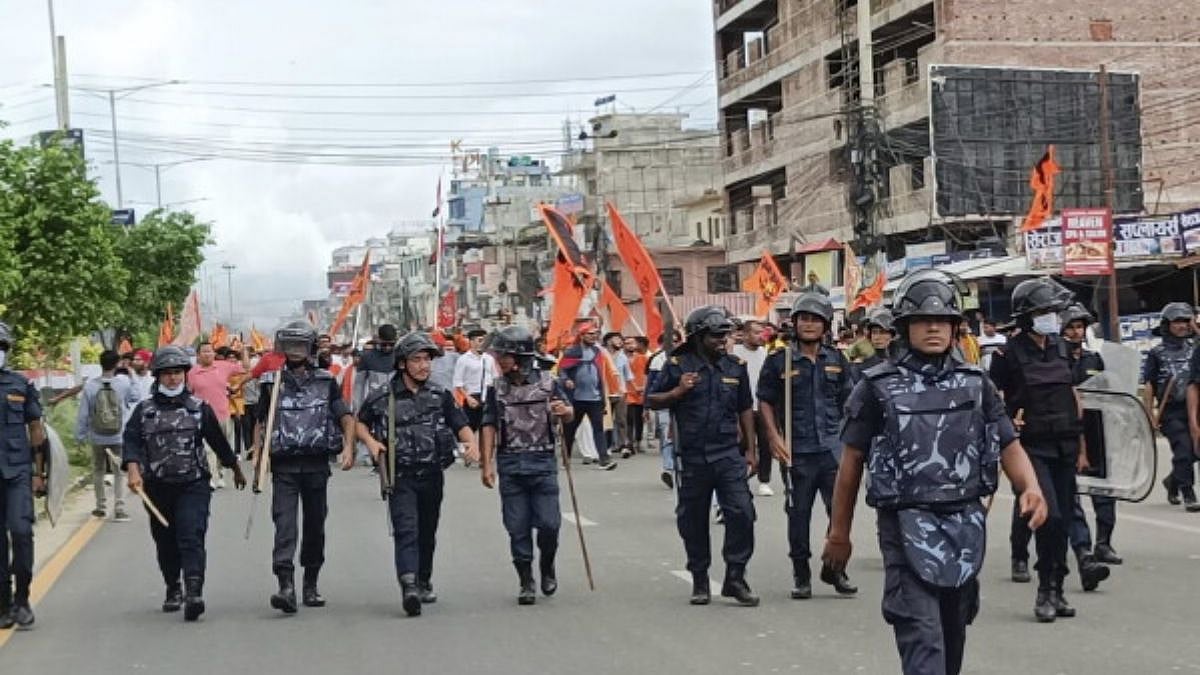
Nepal’s Communal Violence Tests Balendra Shah’s New Government
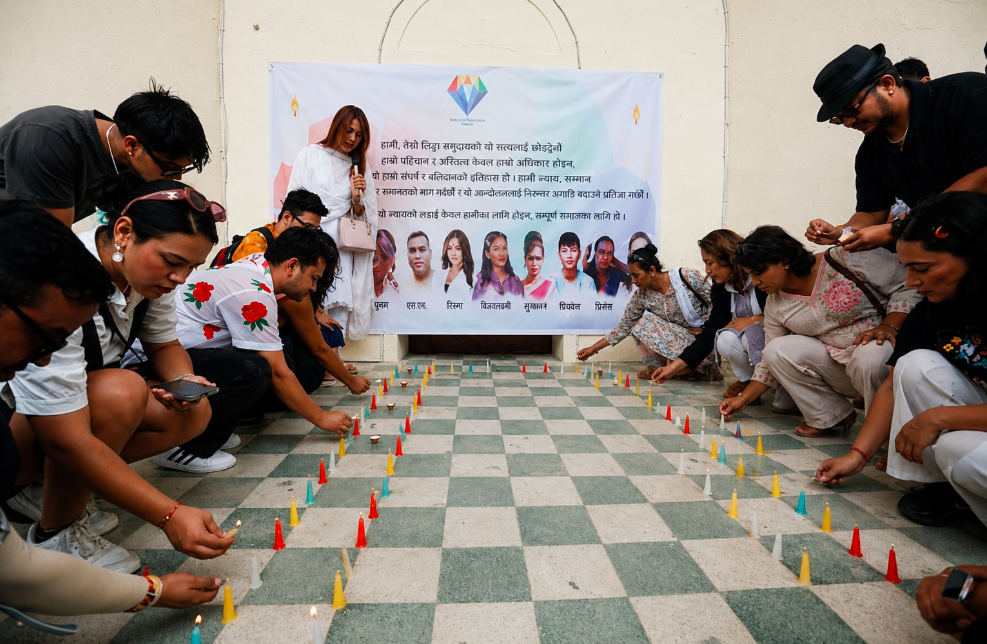
LGBTQ+ Community Holds Vigil for Nepal Flood Victims
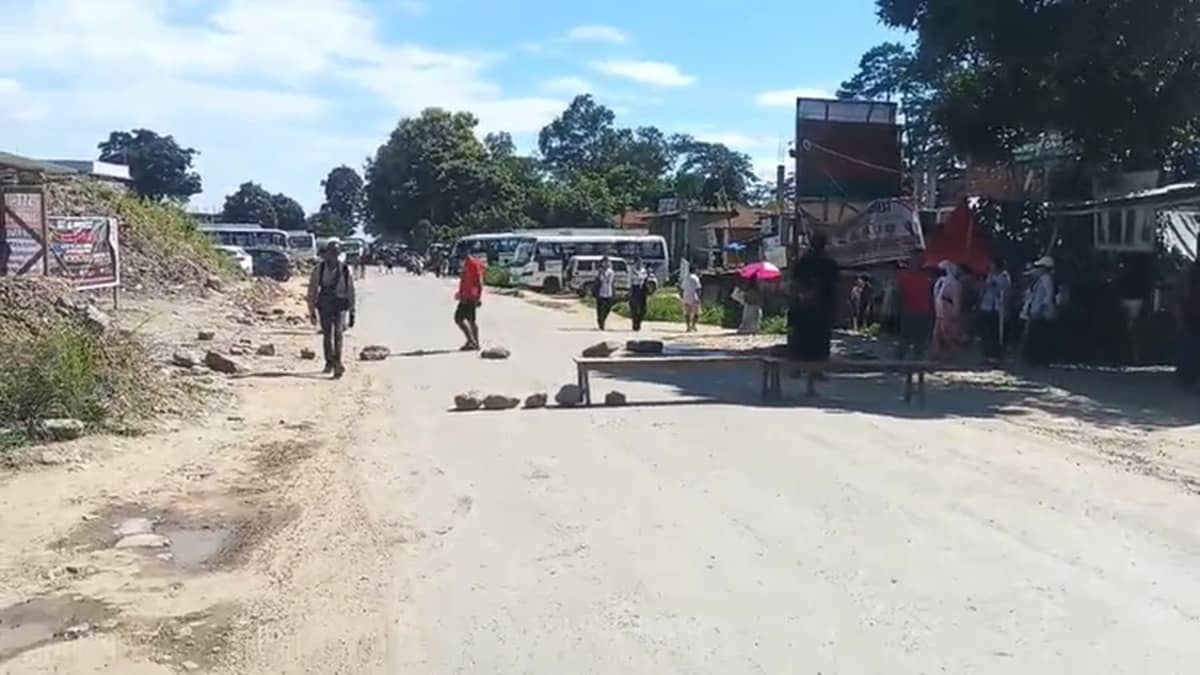
Two Naga Farmers Killed in Manipur Ambush, Shutdowns Declared
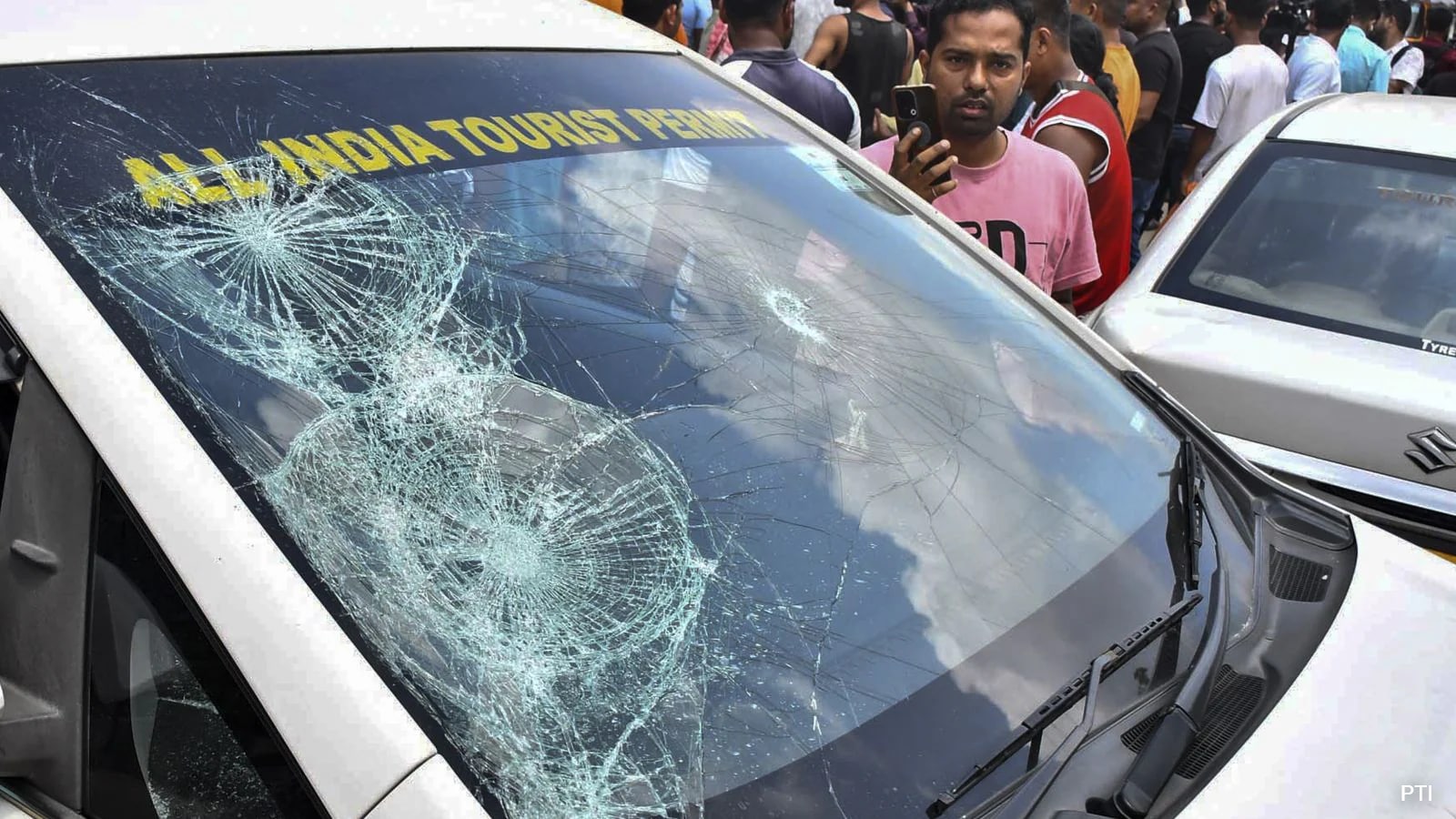
Conrad Sangma Warns Against Violence After Shillong Tensions

Four Naga Men, Including Principal, Killed in Manipur Ambush
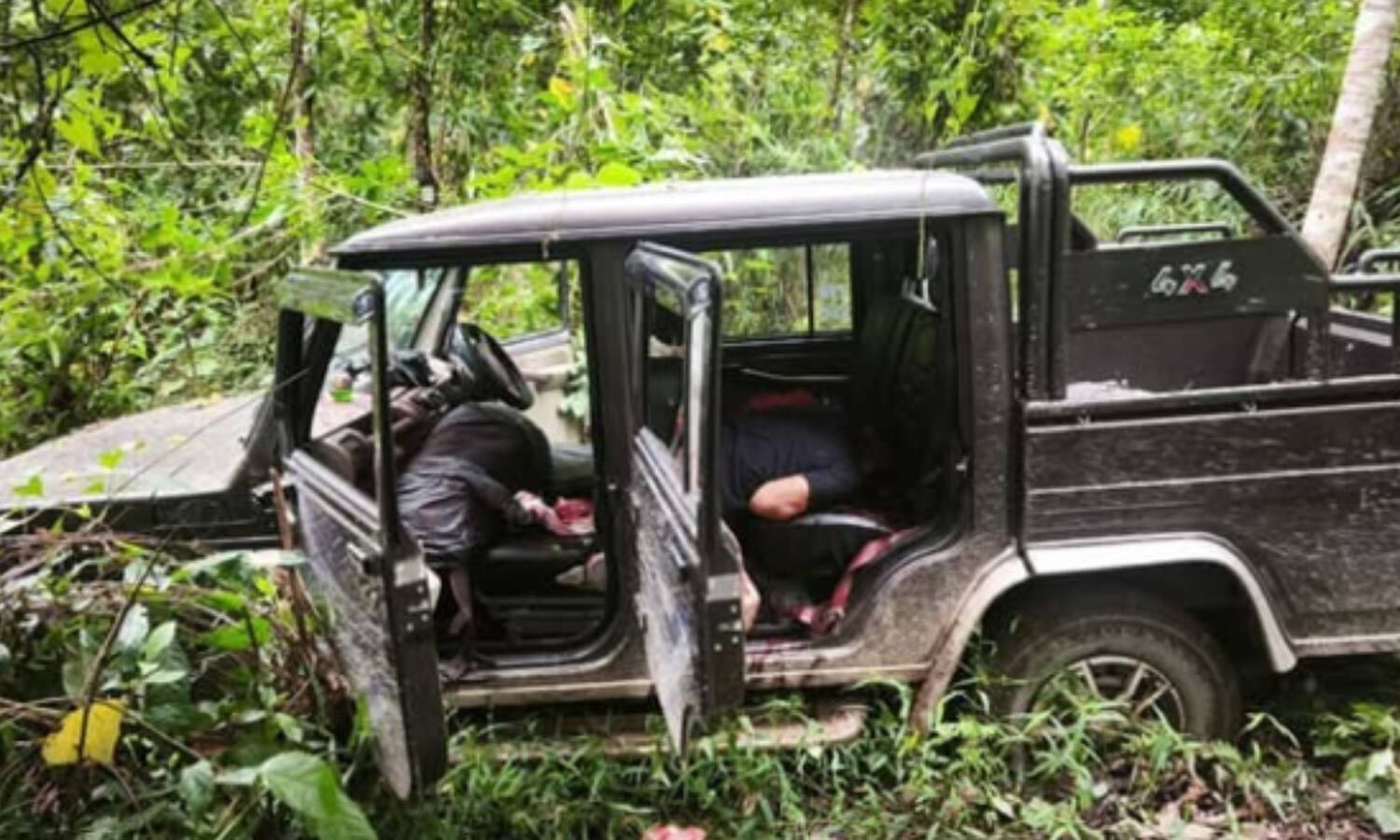
Four Killed, One Injured or Missing in Manipur Ambush

Indian Embassy in Kathmandu Celebrates 80th Independence Day
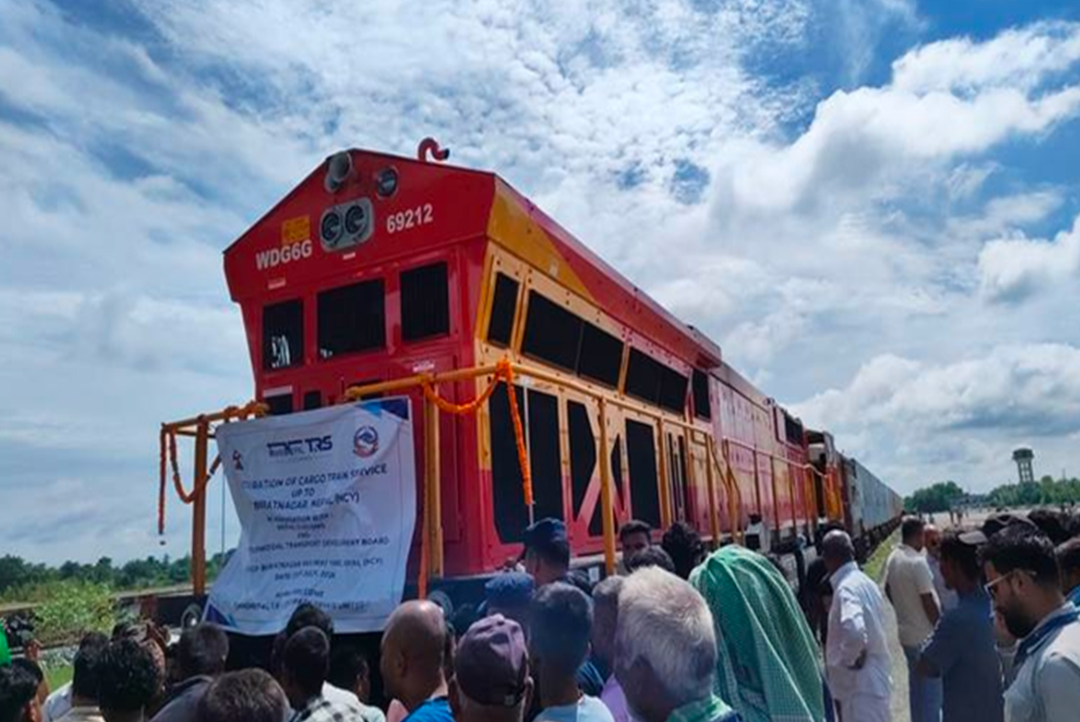
India-Nepal freight train boosts cross-border trade
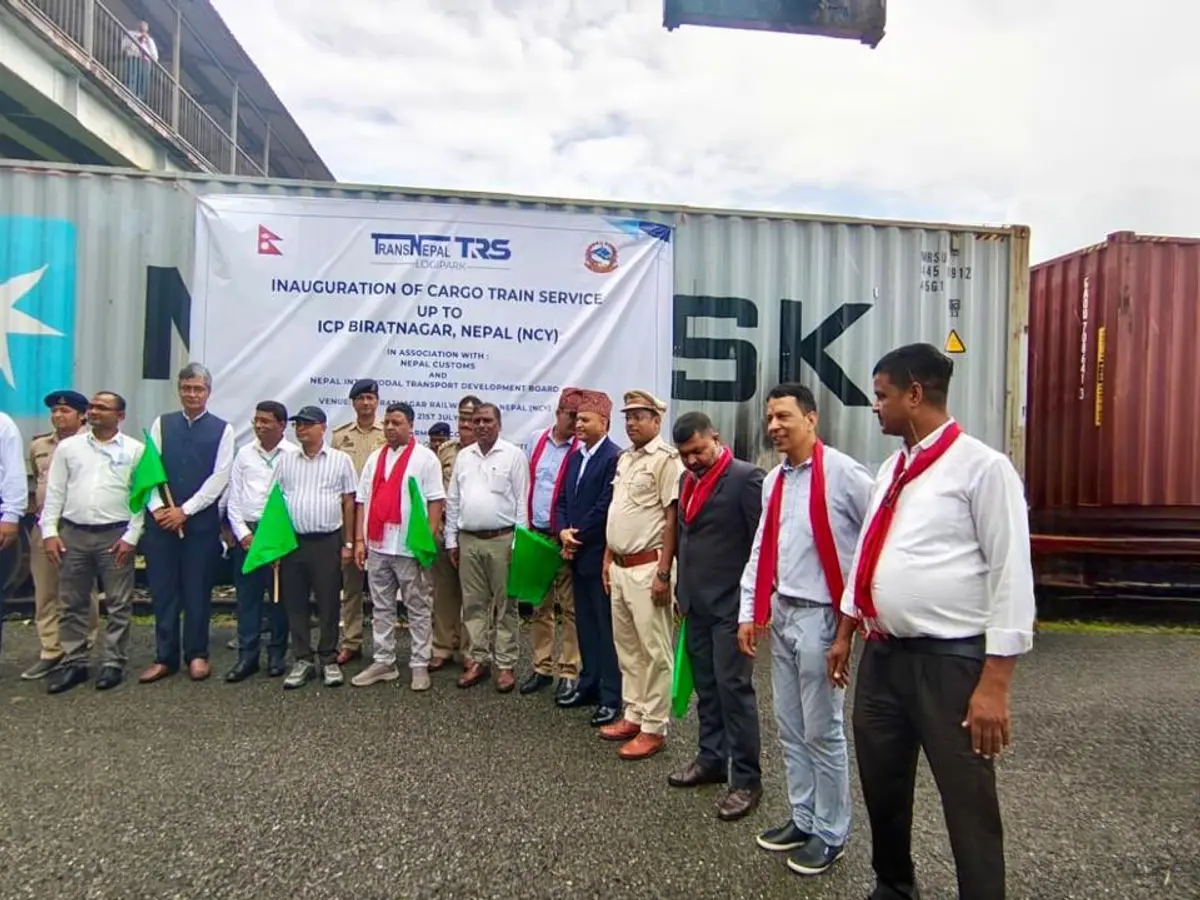
India Launches Direct Rail Cargo to Nepal

Biratnagar ICP Receives First Containerized Cargo Train from Kolkata
