14 hrs ago
US Court Restores H-4 Work Extensions for Seven Spouses
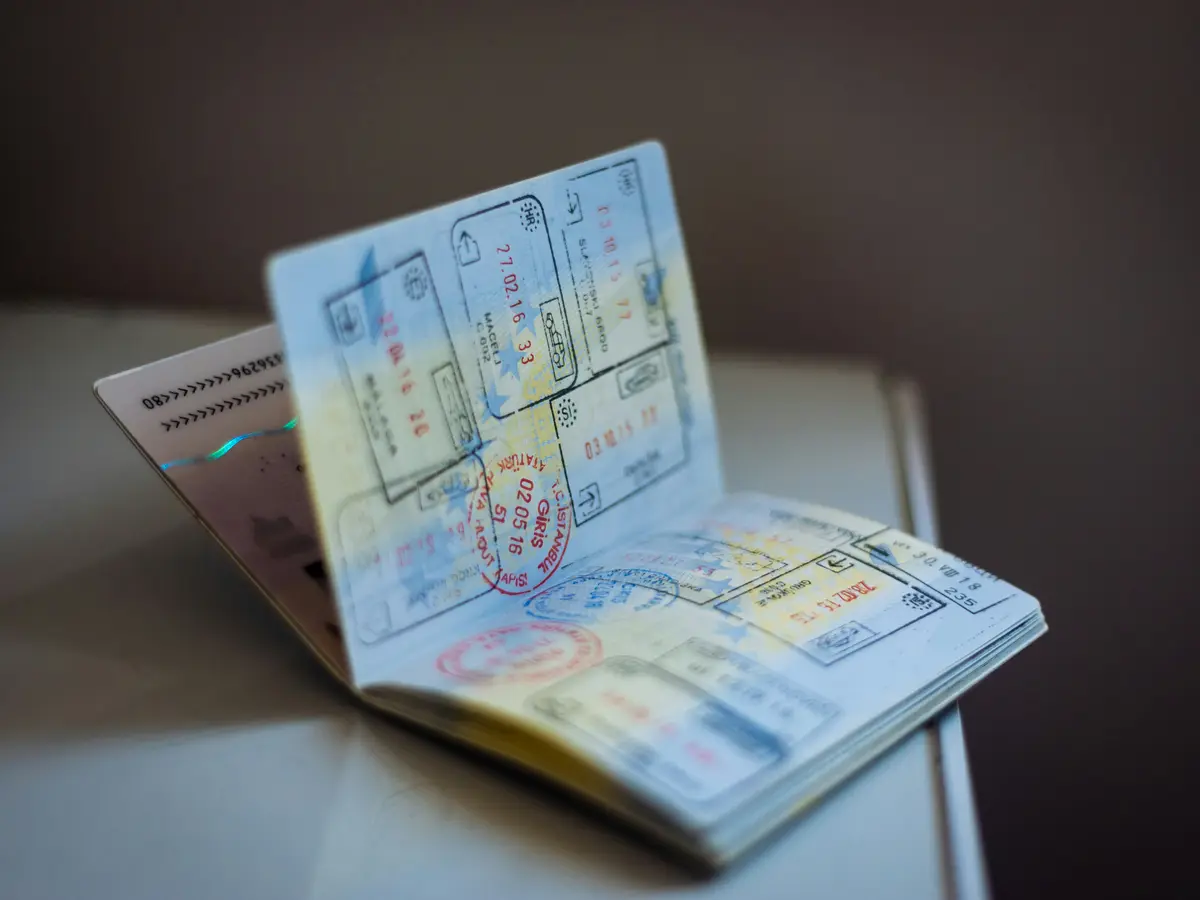
A court helped seven spouses of H-1B visa workers keep using their work permits.
These permits are called H-4 Employment Authorization Documents, or EADs.
The government had ended a rule that let people keep working while their renewal applications were being processed.
The court said the government did not follow the proper process before changing the rule.
It also said the government did not adequately consider the financial problems families and employers could face.
The decision applies only to the seven people who brought the case.
Other H-4 visa holders do not automatically receive the same protection.
The article gives conflicting dates for when the court acted and when the policy ended.

A California federal court blocked the withdrawal of automatic H-4 EAD extensions for seven Indian spouses.
The court found that the Department of Homeland Security did not follow Administrative Procedure Act requirements.
The ruling is limited to the seven plaintiffs and does not provide nationwide relief to other H-4 holders.
The lawsuit said processing delays and links to H-1B renewals could cause serious employment disruptions.
The article dates the injunction to September 10 but also says DHS ended the mechanism in October 2025, creating a timeline discrepancy.
- Who
- Seven Indian spouses holding H-4 visas challenged the Department of Homeland Security policy.
- What
- A U.S. District Court blocked the withdrawal of automatic Employment Authorization Document extensions for the seven plaintiffs.
- Where
- A California federal court.
- When
- The article says the injunction was granted on September 10; it also says DHS ended the mechanism in October 2025, creating a stated timeline discrepancy.
- Why
- The court found that DHS failed to follow the Administrative Procedure Act and did not adequately address the policy’s employment and financial disruptions.
Plaintiffs and Court
Trump Administration and DHS
Legal procedure
Plaintiffs and Court
The plaintiffs argued that DHS had to follow the Administrative Procedure Act before ending automatic extensions, and the court agreed.
Trump Administration and DHS
The administration ended the automatic-extension mechanism, which the court found had been done without the required procedure.
Need for automatic extensions
Plaintiffs and Court
The lawsuit said H-4 spouses face processing delays exceeding 180 days and that delays in H-1B filings can reduce their extension window.
Trump Administration and DHS
The administration characterized ending automatic extensions as necessary because of a national security emergency.
Impact on families and employers
Plaintiffs and Court
The court highlighted severe financial and employment disruptions for H-4 families and their U.S. employers and said continuous-vetting mechanisms already existed.
Trump Administration and DHS
The administration relied on the stated national-security justification, although the court said DHS did not show unusual circumstances warranting bypassing notice and comment.
Key facts
- People affected by ruling
- Seven H-4 visa spouses
- Broader H-4 EAD population
- More than 100,000 Indian spouses, largely women, hold H-4 EADs
- Original automatic extension
- A 2016 rule allowed a 180-day extension while renewal applications were processed
- Temporary extension
- USCIS increased the extension period to 540 days in 2022
- Permanent extension
- The 540-day extension was made permanent in January 2025, according to the article
- Ruling scope
- The injunction applies only to the seven plaintiffs, not nationwide
- Court’s procedural finding
- DHS did not use the required notice-and-comment process before withdrawing the mechanism
Sources
Related news
Trump Administration Revives Plan Targeting H-4 Spouse Work Permits
US Considers Ending H-4 Spouse Work Permits, Indians Hit Hardest

US Proposes Ending H-4 Work Permits, Indian Spouses Face Impact
Trump Administration Tightens US Visa Rules for Indians

Proposal Could End Work Permits for H-1B Spouses

New York Judge Strikes Down Trump’s 75-Country Visa Suspension

Newsom Says He Won’t Challenge Harris in 2028

Harry and Meghan’s Children Switch Schools Over Security Concerns
From Mechanical Engineering to IFS: Sidharth Babu's AIR 15 Journey

Endangered Whale Shark Spotted Near California During El Niño