1 day ago
Japan Factory Activity Accelerates as Semiconductor Demand Surges

Japan’s factories had another strong month in August.
A survey measure of factory activity rose to 54.9.
Numbers above 50 mean the manufacturing sector is growing.
New orders grew at their fastest rate since January 2018.
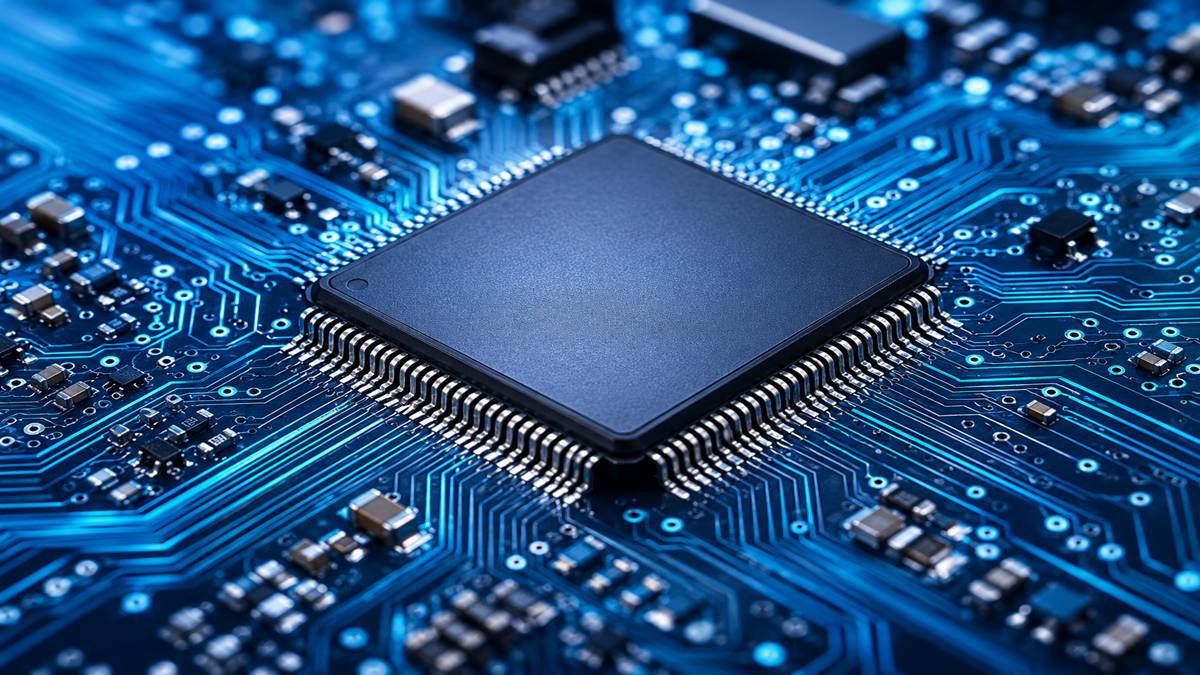
Demand for computer chips and artificial-intelligence products helped drive this growth.
Overseas orders also became stronger in several regions.
Factories kept hiring workers and had more unfinished orders to complete.
Costs rose more slowly, but companies still faced pressure from materials, oil, shipping problems and a weaker yen.

Japan’s manufacturing PMI rose to 54.9 in August from 54.5 in July, marking eight straight months of expansion.
New business grew at its fastest pace since January 2018, supported by semiconductor and AI-related demand.
New export orders increased at their fastest pace since early 2018, with stronger demand from North America, Southeast Asia and China.
Manufacturers increased staffing for a 21st consecutive month, with job creation reaching its fastest pace since February 2018.
Input and selling-price inflation eased, but raw-material, oil, supply-chain and weaker-yen pressures remained elevated.
- Who
- Japanese manufacturers, surveyed by S&P Global Japan Manufacturing PMI researchers.
- What
- Japan’s manufacturing sector expanded further, with new business, exports, hiring and factory output strengthening.
- Where
- Japan, with stronger export demand from North America, Southeast Asia and China.
- When
- August; the survey results were reported on Tuesday.
- Why
- Strong demand for semiconductors and artificial-intelligence-related products, along with improved market conditions, new product launches and higher incoming orders.
Key facts
- August PMI
- 54.9, up from 54.5 in July.
- Expansion streak
- The manufacturing sector expanded for an eighth consecutive month.
- New business
- Expanded at its fastest pace since January 2018.
- Export orders
- Rose at their fastest pace since the beginning of 2018.
- Hiring
- Staffing increased for a 21st consecutive month.
- Input-price inflation
- Slowed for a second consecutive month to its weakest level since March.
- Business confidence
- Rose to a six-month high and remained above its long-run average.
Quotes
Annabel Fiddes
Economics associate director at S&P Global Market Intelligence
“Overall, the sector looks well placed to sustain its strong performance, particularly given demand linked to AI-related sectors.”
 firstpost.com
Sources
Related news
India’s Manufacturing Growth Slows to Five-Year Low in August
India Private-Sector Growth Recovers as Services Offset Manufacturing Slowdown
India’s Private Sector Growth Recovers Slightly as Services Strengthen
Japan’s July Exports Surge on US and China Demand
India and Japan Push AI, Semiconductor Manufacturing Partnership

Trump Floats Renaming Strait of Hormuz as ‘Trump Strait’

Chevron Plans $7 Billion Venezuela Expansion Amid U.S. Oil Push

Saudi Arabia Says Iranian Tanker Attack Killed Two Sailors
U.S.-Iran Exchange Escalates Across Middle East, Markets Slide
Trump Aides Seek Quiet Iran War Before Midterm Elections