1 day ago
India’s Manufacturing Growth Slows to Five-Year Low in August
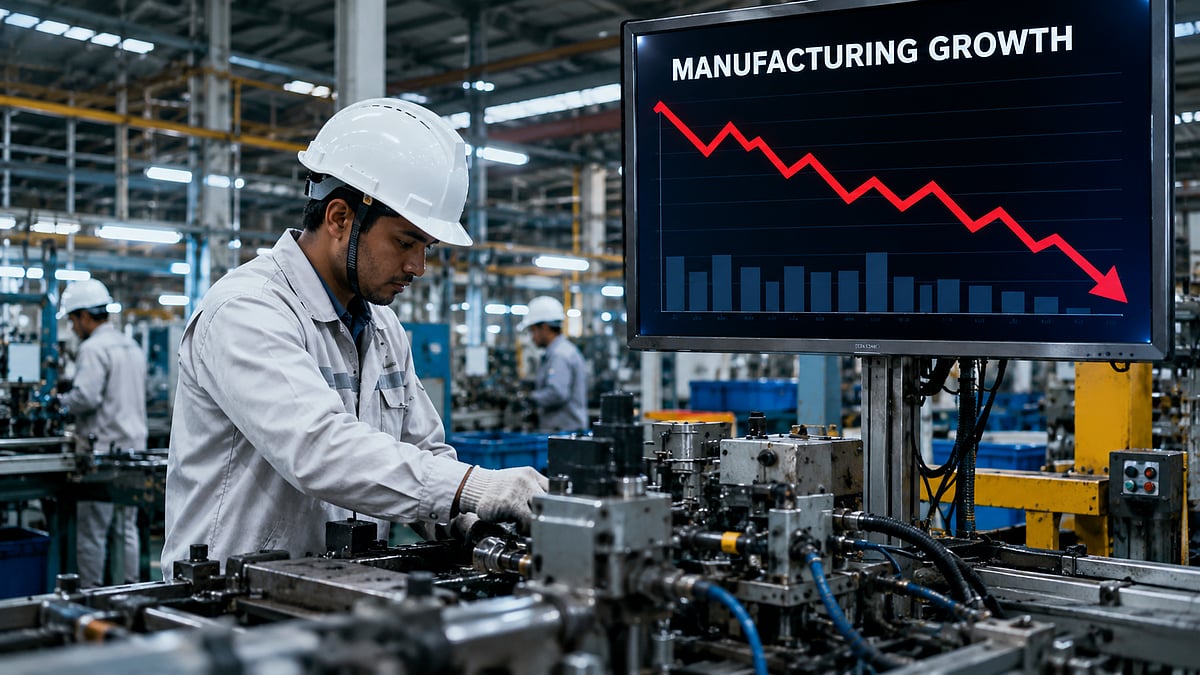
Indian factories continued to grow in August, but they grew more slowly than before.
Their survey score was 52.8, and any score above 50 means the sector is expanding.
The score fell from 53.5 in July and was the weakest improvement in about five years.
Companies received new orders more slowly because demand for some products became weaker.
Production and export sales still increased, although export growth slowed.
Factories reduced their workforces slightly for the first time in more than two years.
Costs for materials and transportation rose, but overall cost increases became less severe.
Businesses raised their prices more slowly and became somewhat more confident about the next year.

India’s HSBC Manufacturing PMI fell to 52.8 in August from 53.5 in July, extending its decline for a third consecutive month.
Output and new-order growth continued but slowed to their weakest pace in five years as demand weakened.
Export sales increased in markets including Australia, Germany, mainland China, Spain, Thailand and the United States, though growth moderated from July.
Manufacturing employment declined fractionally for the first time in two-and-a-half years, while input buying expanded at its weakest rate in 62 months.
Input-cost inflation eased to a six-month low, and selling-price inflation reached a 45-month low as fewer than 7% of firms raised charges.
- Who
- Indian manufacturers surveyed by S&P Global for the HSBC India Manufacturing PMI.
- What
- Manufacturing growth slowed to a PMI reading of 52.8 in August, while the sector remained in expansion.
- Where
- India.
- When
- August; the findings were released on Tuesday.
- Why
- Softer demand, challenging market conditions and weaker appetite for some products slowed new orders and production.
Signs of Weakening
Signs of Resilience
Current manufacturing momentum
Signs of Weakening
Output and new orders grew at their weakest pace in five years, employment declined and input buying slowed as demand softened.
Signs of Resilience
The PMI remained above 50, showing that manufacturing activity continued to expand rather than contract.
Domestic and international demand
Signs of Weakening
Demand weakened across two of the three industrial groups, and international-order growth moderated from July.
Signs of Resilience
Export sales continued to rise, with gains reported from Australia, Germany, mainland China, Spain, Thailand and the United States; consumer goods demand was the exception to broader softening.
Business outlook
Signs of Weakening
Confidence remained subdued by historical standards, while finished-goods inventories rose because sales were lower than expected.
Signs of Resilience
Business expectations strengthened to their highest level since May, and around 16% of firms forecast higher production over the next 12 months.
Key facts
- August PMI
- 52.8, down from 53.5 in July and below the long-run average of 54.2.
- Expansion threshold
- A PMI above 50 indicates expansion, while a reading below 50 indicates contraction.
- Output and orders
- Both output and new-order growth slowed to five-year lows; the output index was at its lowest since August 2021.
- Employment
- Factory employment fell fractionally for the first time in two-and-a-half years.
- Input buying
- Input purchasing expanded at its weakest rate in 62 months.
- Prices
- Input-cost inflation reached a six-month low, while output-price inflation reached a 45-month low.
- Business expectations
- Around 16% of surveyed companies expected production to increase over the next 12 months; confidence reached its highest level since May but remained historically subdued.
- Survey coverage
- The survey was compiled from responses from around 400 manufacturers.
Quotes
HSBC India Manufacturing PMI survey
The survey report cited in the article
“Demand trends softened across two of the three industrial groups tracked by the survey, with consumer goods the exception. Overall, new business increased at a marked rate but one that was the slowest for five years. Panellists attributed the weaker upturn to challenging market conditions and subdued appetite for some products.”
 financialexpress.com
“Inventory data offered further evidence of caution among manufacturers. Stocks of finished goods increased for the second month running, with companies linking the accumulation to lower-than-expected sales. The rise was moderate and softer than in July”
 thehansindia.com
Sources


Related news
India Private-Sector Growth Recovers as Services Offset Manufacturing Slowdown
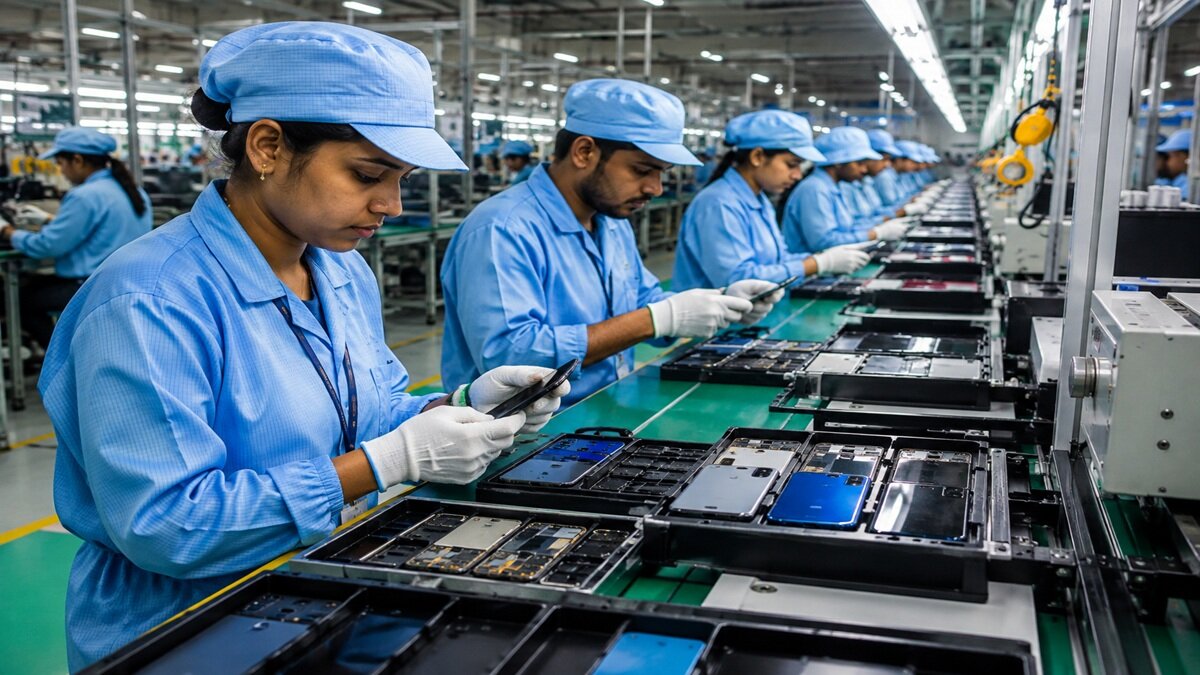
India’s Private Sector Growth Recovers Slightly as Services Strengthen

India's Services Sector Growth Slows to Four-and-a-Half-Year Low in July
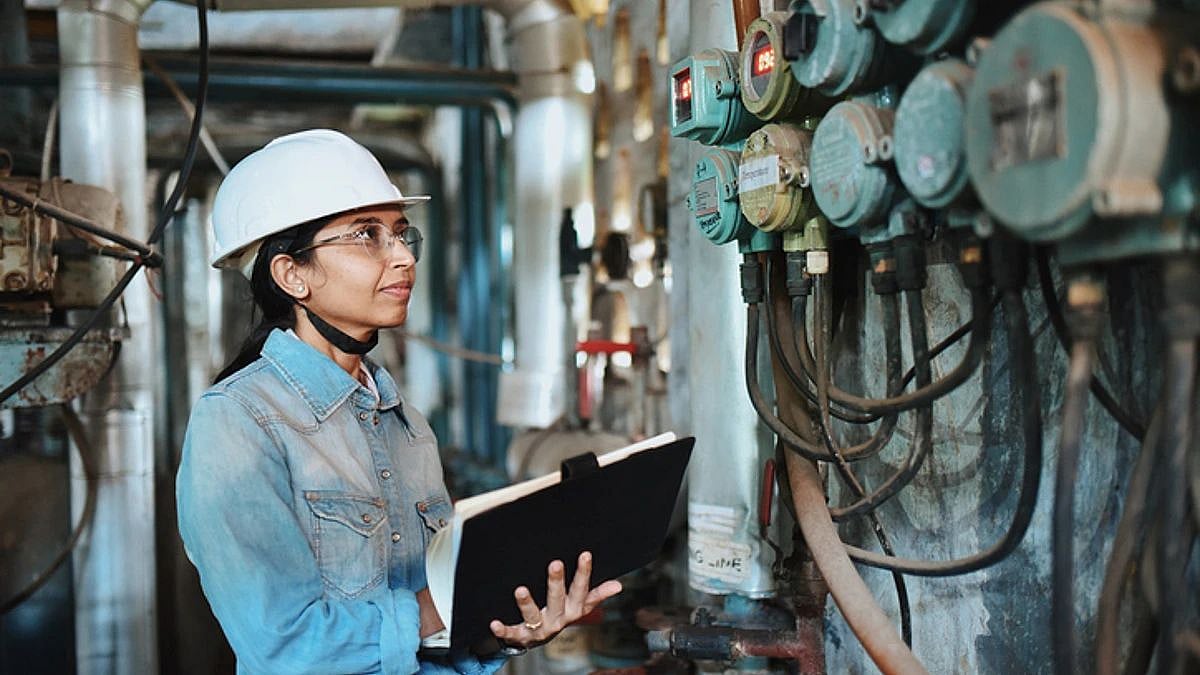
India's Services Sector Growth Continues As Export Demand, Hiring Rebound

Japan Factory Activity Accelerates as Semiconductor Demand Surges

HUL Shares Hit 52-Week Low Despite Brokerage’s 24% Upside

India’s Top Midcap Funds Take Divergent Portfolio Positions
India’s Economy Shows Resilience, But Risks Remain
Nirlon’s Strong Cash Flow Faces 2027 Debt Repayment Test