18 hrs ago
V-Dem Report Warns State Pressure Is Eroding Academic Freedom

Academic freedom means teachers and researchers can study, teach, speak, and share ideas without unfair pressure.
It also means universities can make important decisions for themselves.
A new V-Dem report says academic freedom has become weaker in many countries.
It found declines in 50 countries during the past decade, while only 9 improved.
The report says government actions and other outside pressures can limit university choices.
These pressures may affect hiring, admissions, funding, research topics, and what can be taught.
The United States is given as an example of universities facing pressure from state and federal decisions.
The report says independent universities are better able to protect scholars and students.
It also says courts, civil society groups, and universities can push back against improper interference.

V-Dem’s 2026 Academic Freedom Index finds academic freedom declined in 50 countries and improved in 9 over the past decade.
The report says declines in campus integrity and other academic-freedom dimensions became especially widespread between 2015 and 2025.
Institutional autonomy declined substantially in 43 countries, including 21 where it had been well protected in 2015.
The report identifies state-level and federal actions in the United States as creating severe pressure on university autonomy since around 2020.
V-Dem argues that lawsuits, civil society action, and resistance by academic institutions can help protect academic freedom.
- Who
- The V-Dem Institute, drawing on more than 2,000 scholars worldwide, assessed academic freedom and institutional autonomy.
- What
- The Academic Freedom Index 2026 reports a global decline in academic freedom and growing pressure on higher-education institutions.
- Where
- The decline occurred across multiple regions, with the United States highlighted as a case study; academic freedom remained more protected in Latin America, Europe, North America, and parts of Southern and Western Africa than in Asia, the Middle East, and North Africa.
- When
- The report covers developments through 2025 and examines changes from 2015 to 2025; it says the global decline began around 2012.
- Why
- The report attributes the deterioration largely to state and other external interference affecting university governance, funding, appointments, admissions, research, and academic expression.
Key facts
- Report
- Academic Freedom Index update 2026
- Declining countries
- 50 countries over the past decade
- Improving countries
- 9 countries over the past decade
- Autonomy declines
- 43 countries experienced substantial and statistically significant declines in institutional autonomy between 2015 and 2025
- Previously protected autonomy
- Institutional autonomy was well protected in 2015 in 21 of those 43 countries
- Academic dimensions
- Research and teaching, academic exchange, academic and cultural expression, institutional autonomy, and campus integrity
- Research basis
- Expert assessments from more than 2,000 scholars worldwide and other available data
Sources
Related news
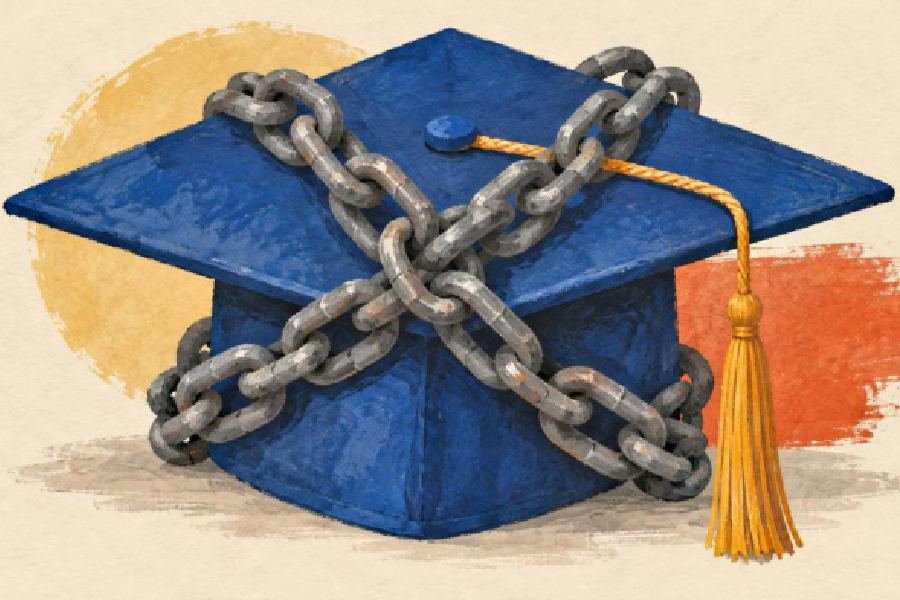
BJP Rule and the Erosion of Academic Freedom in India

Report places India among countries with severely restricted academic freedom
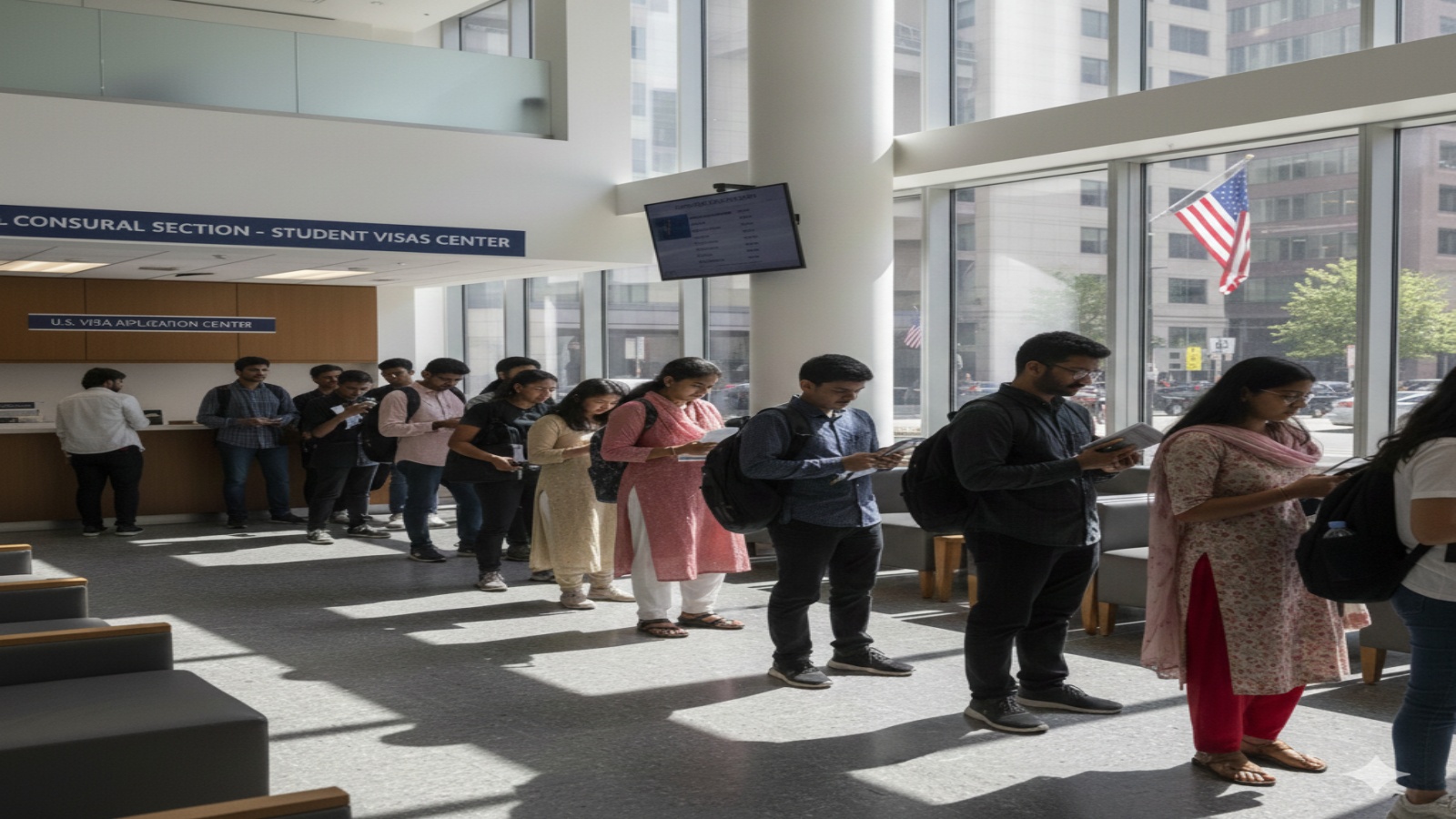
US Universities Report International Application Declines Amid Visa Uncertainty

Canada Recruits 64 Scholars as Trump Pressures US Universities

International IDEA Reports 11-Year Global Democratic Decline
International Applications to US Colleges Fall Amid Trump Visa Crackdown

Spain Was Warned Weeks Before Deadly Ceuta Migrant Rush

Second Solar Eclipse of 2026 Tonight, Not Visible in India

Global youth unemployment hits 67 million as AI risks mount
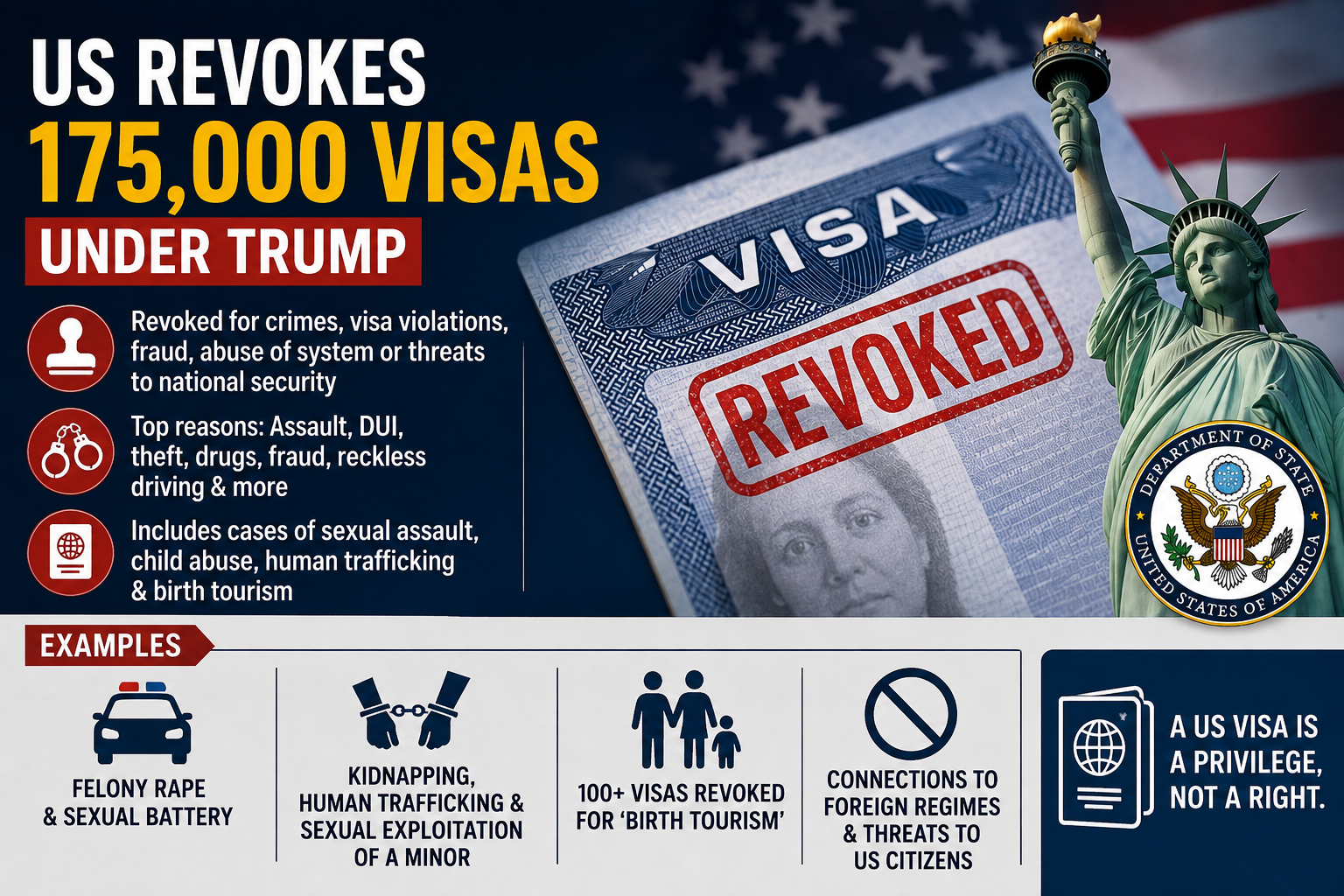
US revoked over 175,000 visas under Trump administration