1 week ago
India’s rice yield slowdown spurs push for hybrids, varieties

India is growing more rice, but rice plants are not producing much more grain per hectare than before.
Yield growth fell to 0.5% in 2025-26.
This means India may need better ways to grow rice as food needs increase.
Scientists developed two new varieties in 2025 called DRR Dhan 100 and Pusa Rice DST1.
The government plans to make Pusa Rice DST1 available for commercial production in the next rabi season.
One expert says hybrid rice could raise yields because it is used more widely in China and the United States.
Another expert says new seeds will not be enough by themselves.
Farmers will also need timely planting, balanced fertiliser use, better water management and stronger advice services.
The experts believe most future rice production should come from better yields rather than planting much more land.

India’s rice-yield growth slowed to 0.5% in 2025-26, reaching 2,915 kg per hectare.
Rice production exceeded 1,500 lakh tonnes in 2024-25 but grew only 2.6% in 2025-26.
Genome-edited varieties DRR Dhan 100 and Pusa Rice DST1 were developed in 2025.
The government plans to release Pusa Rice DST1 for commercial production in the next rabi season.
Experts say future output should come mainly from higher yields, requiring improved seeds, irrigation, nutrition and farm practices.
- Who
- India’s agriculture authorities, scientists, seed-sector representatives and grain-market experts are involved in the rice productivity discussion.
- What
- India’s rice-yield growth is slowing, prompting plans for new genome-edited varieties and greater use of hybrids.
- Where
- The developments concern rice production in India, with comparisons to China and the United States.
- When
- The report was published on August 20, 2026; Pusa Rice DST1 is expected to be released in the coming rabi season.
- Why
- India needs higher productivity to meet future food-security requirements while limiting dependence on further acreage expansion.
Caution on seed-led gains
Hybrid-led productivity push
Main path to higher yields
Caution on seed-led gains
Anand Chandra said better seeds alone will not significantly raise the national average; timely planting, balanced nutrition, efficient water management, higher seed replacement and stronger extension services are also needed.
Hybrid-led productivity push
Ajai Rana argued that wider use of hybrids could accelerate productivity, especially if varieties deliver more than a 25% yield advantage while retaining preferred grain quality and climate resilience.
Scale of achievable productivity
Caution on seed-led gains
Chandra’s estimate is that India will need an additional 150-200 lakh tonnes by the middle of the next decade, with gains depending on multiple improvements beyond genetics.
Hybrid-led productivity push
Rana said India could target as much as 6,000 kg per hectare, supported by high-performing climate-resilient hybrids, improved irrigation, better agronomy and a public-private mission.
Reason for the slowdown
Caution on seed-led gains
Chandra said earlier gains from high-yielding varieties, irrigation and fertiliser use have largely matured, while research-station yields still exceed farmer-field yields.
Hybrid-led productivity push
Rana focused on India’s relatively low hybrid adoption compared with China and the United States as an underused opportunity for increasing productivity.
Key facts
- 2025-26 rice yield
- 2,915 kg per hectare, with growth of 0.5%.
- 2024-25 production
- More than 1,500 lakh tonnes, up 9%.
- 2025-26 production growth
- 2.6%.
- Hybrid rice share in India
- Approximately 7-8% of rice acreage.
- DRR Dhan 100 trial result
- Around 19% yield improvement in trials.
- Future rice requirement
- Estimates range from an additional 150-200 lakh tonnes to 169-185 million tonnes.
- Productivity targets
- Expert targets range from 3,600 to 6,000 kg per hectare over the next 10-15 years.
Quotes
Anand Chandra
Co‑founder and Executive Director, Arya.ag grain commerce platform
“India needs hybrids that combine a reliable yield advantage of more than 25 per cent with locally preferred grain quality and climate resilience to accelerate productivity growth.”
 thehindubusinessline.com
“The slowdown in yield is real, and to an extent it was predictable.”
thehindubusinessline.com
Sources
Related news
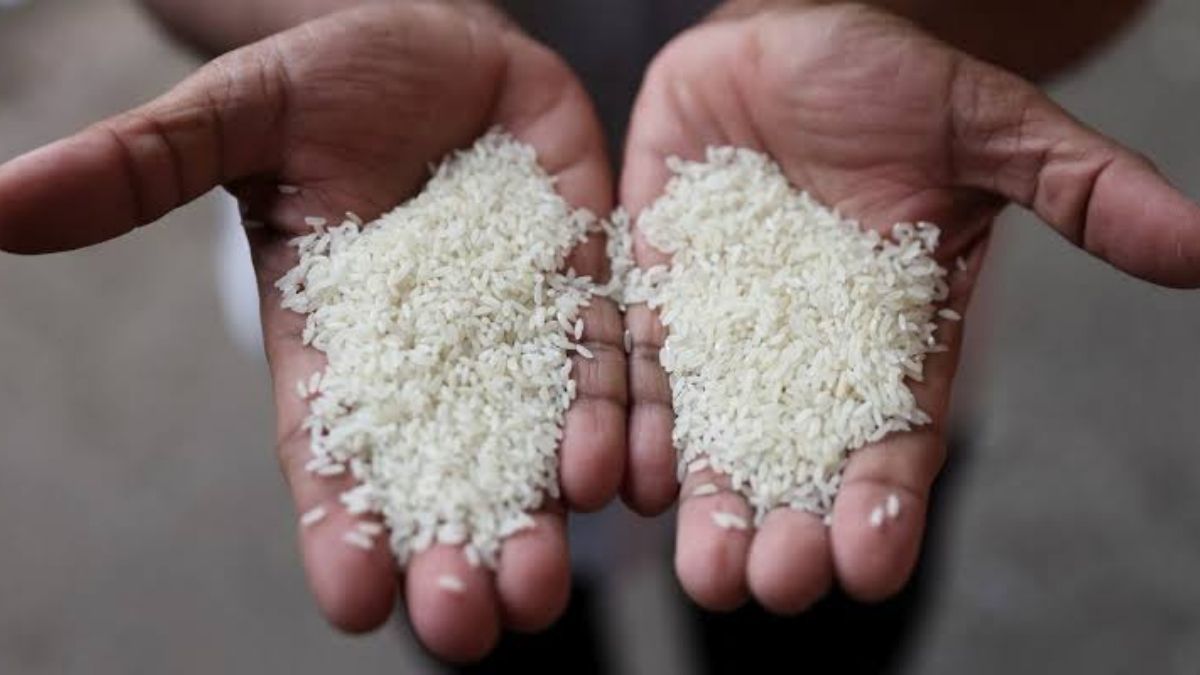
India to grow world's first gene-edited rice for seed multiplication
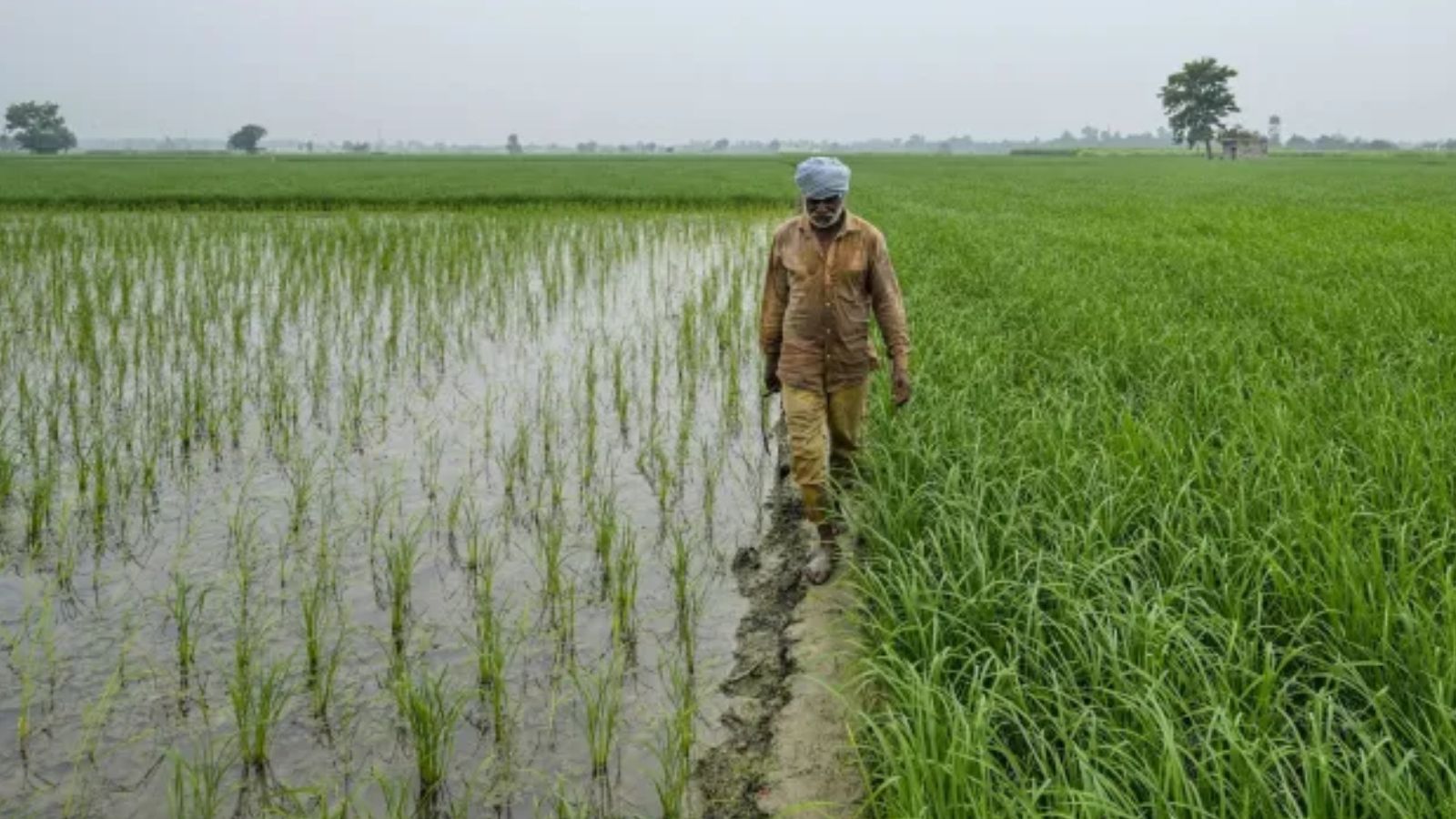
Punjab's paddy area hits all-time high of 32.76 lakh hectares

Indian Non-GMO Popcorn Hybrid Aims to Raise Farmer Incomes

Madhya Pradesh Paddy Output May Fall as Soybean Harvest Booms
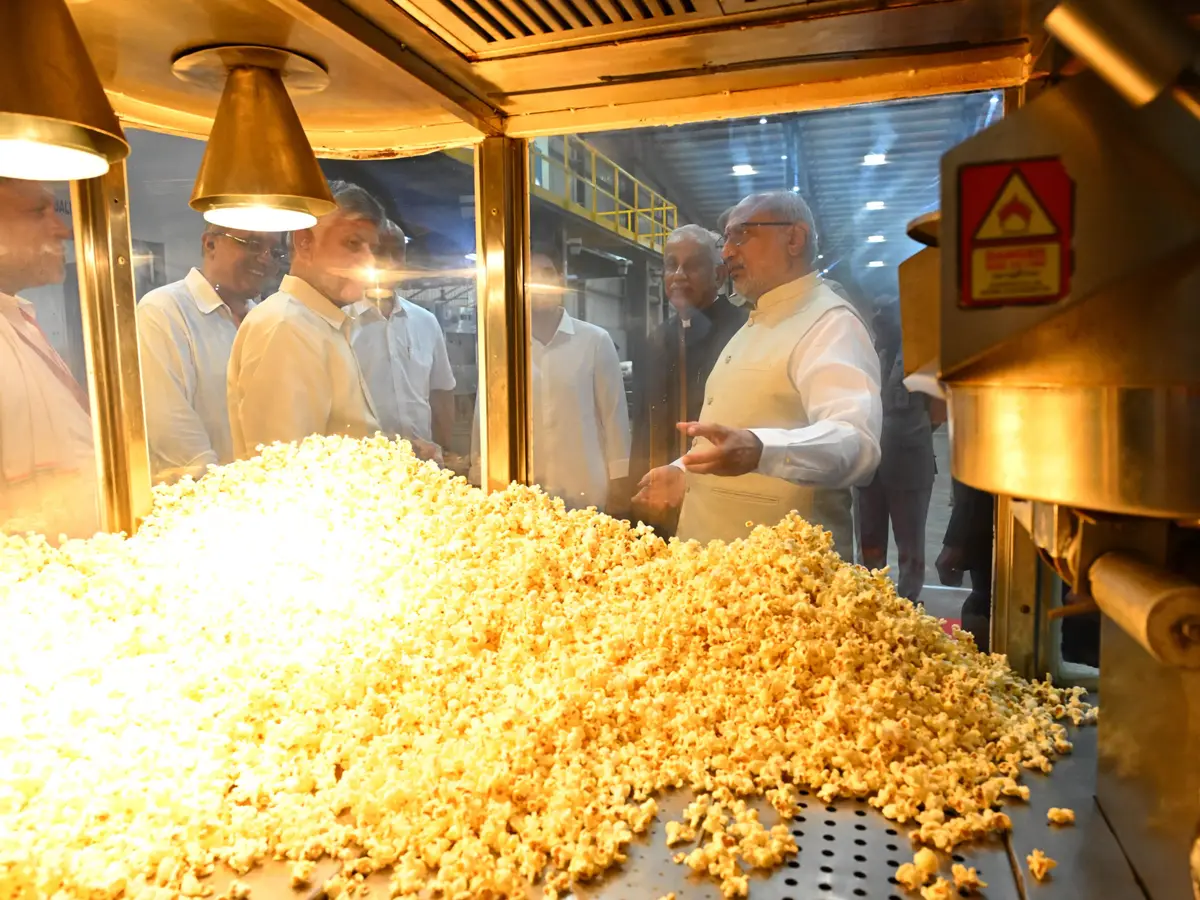
India Launches Indigenous Non-GMO Popcorn Hybrids to Cut Imports
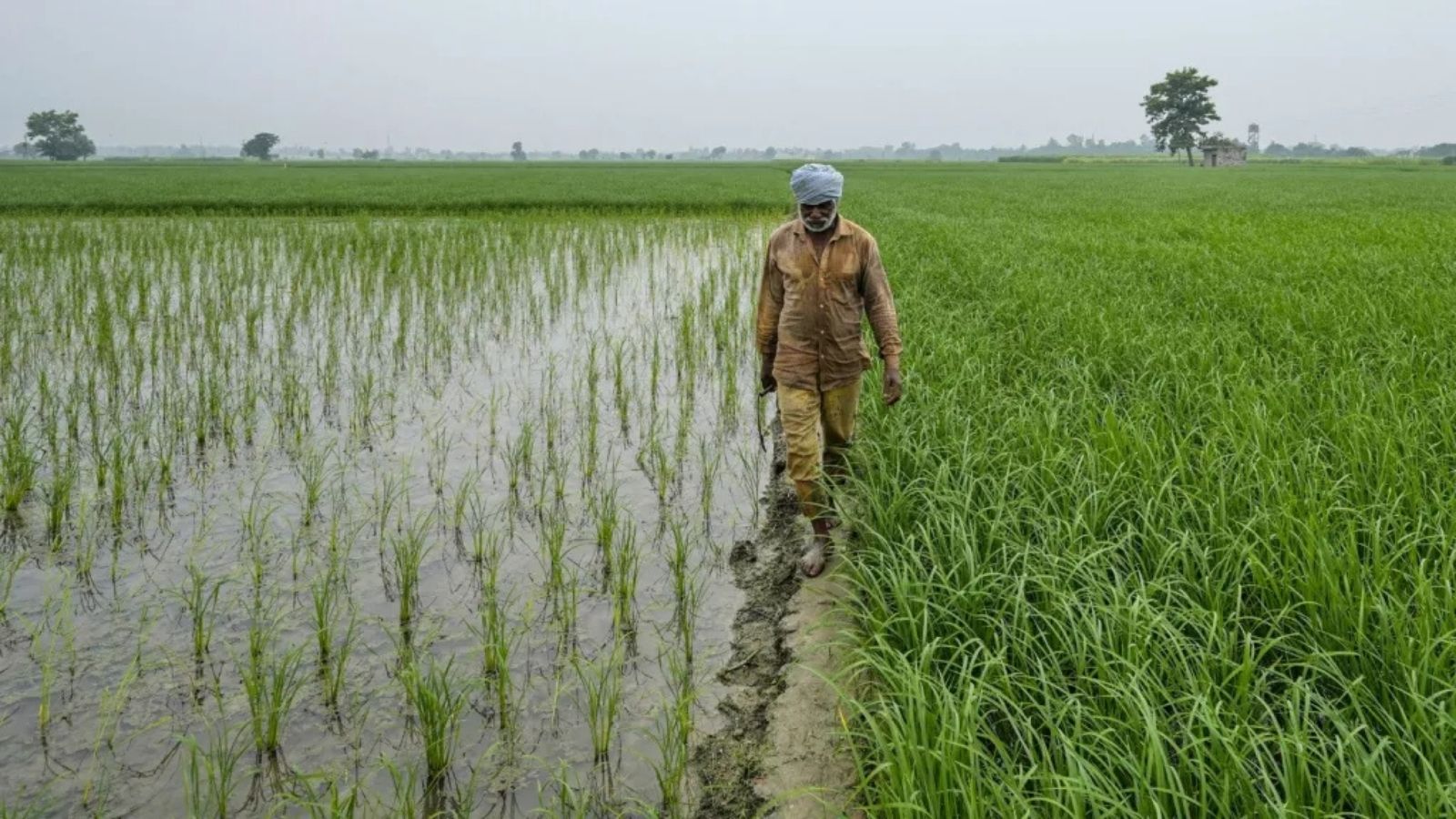
Punjab’s Crop Diversification Plan Falters as Rice Claims 92%
FSII Study: Regulatory Friction Costs Seed Industry ₹800 Crore Annually

Ludhiana Dairy Complex Faces Drainage Woes, Pollution Concerns

Seechewal Condemns Dyeing Units for Polluting Buddha Dariya