

20 hrs ago
Supreme Court Quashes NEET Protest FIRs, Seeks Compensation Policy

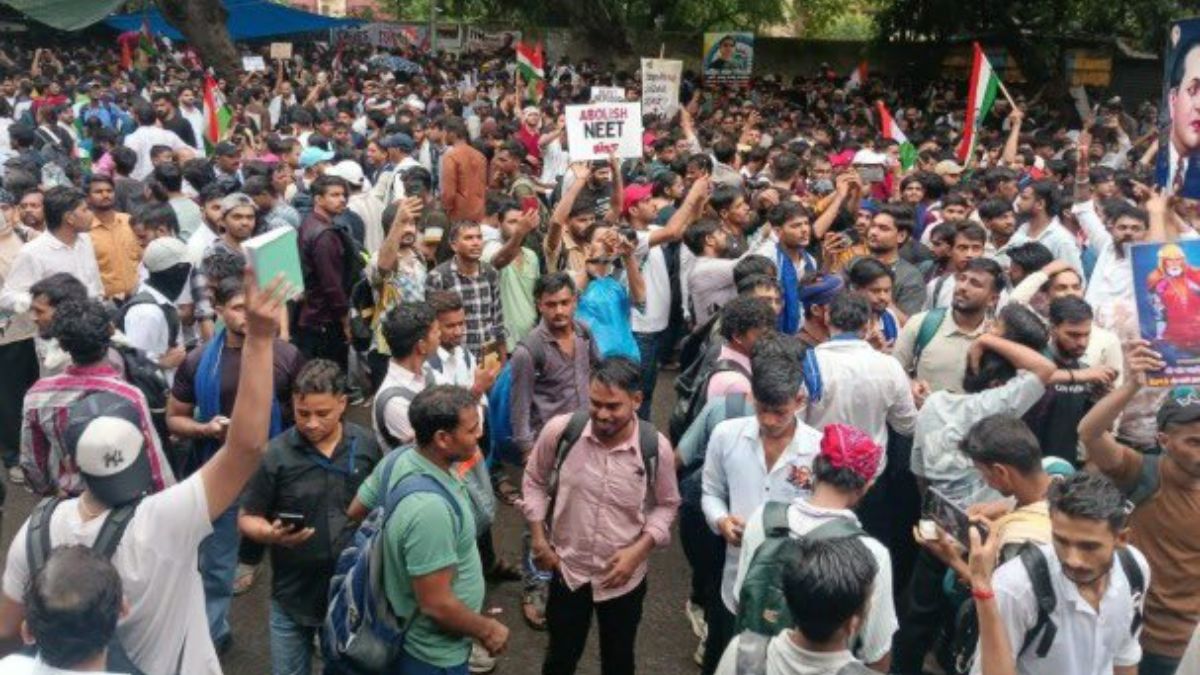
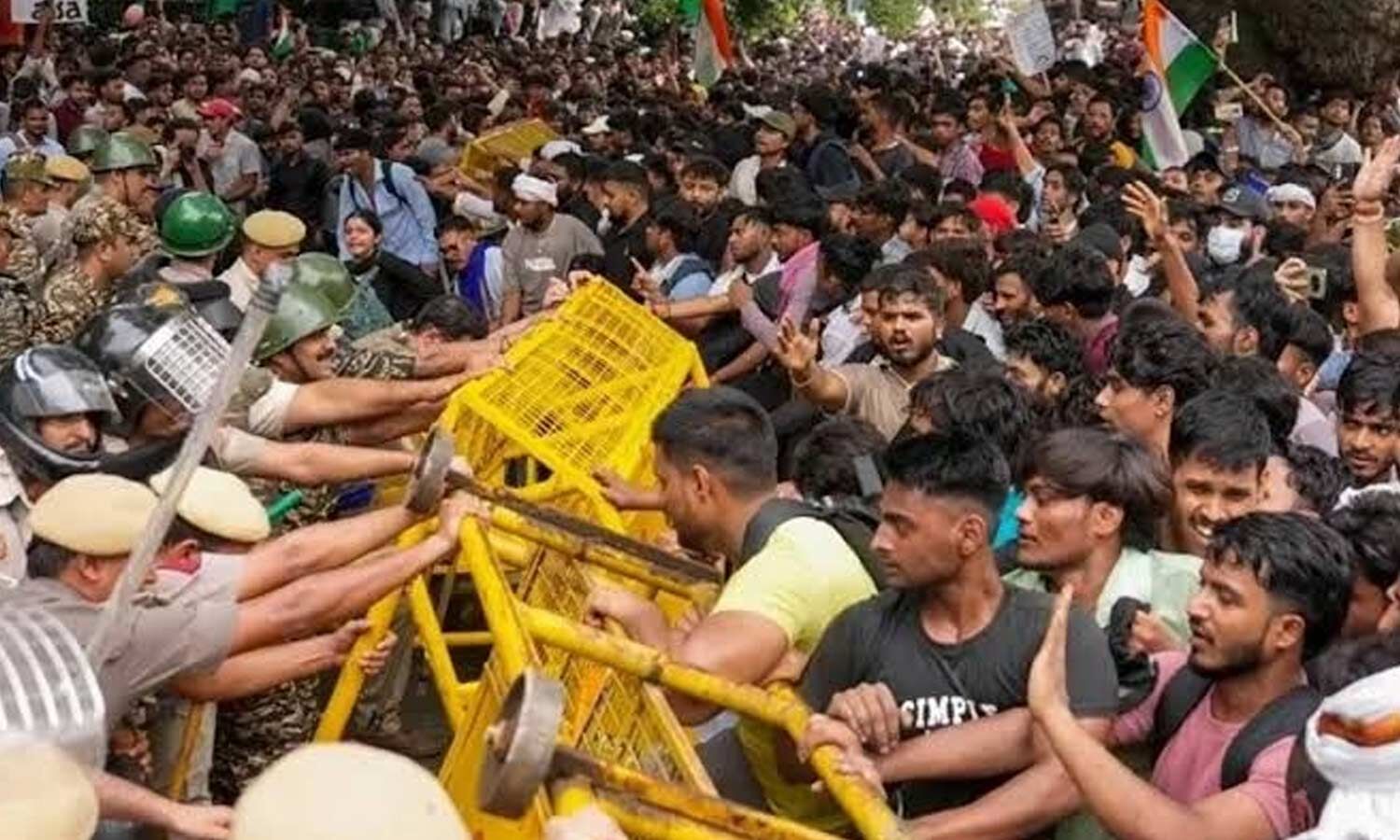
The Supreme Court cancelled criminal cases filed against students who protested a NEET-UG paper leak.
The court said these cases should not damage the students’ futures.
It also noted the government’s promise to create a compensation policy within three months.
The policy would help families whose children died by suicide in connection with the crisis.
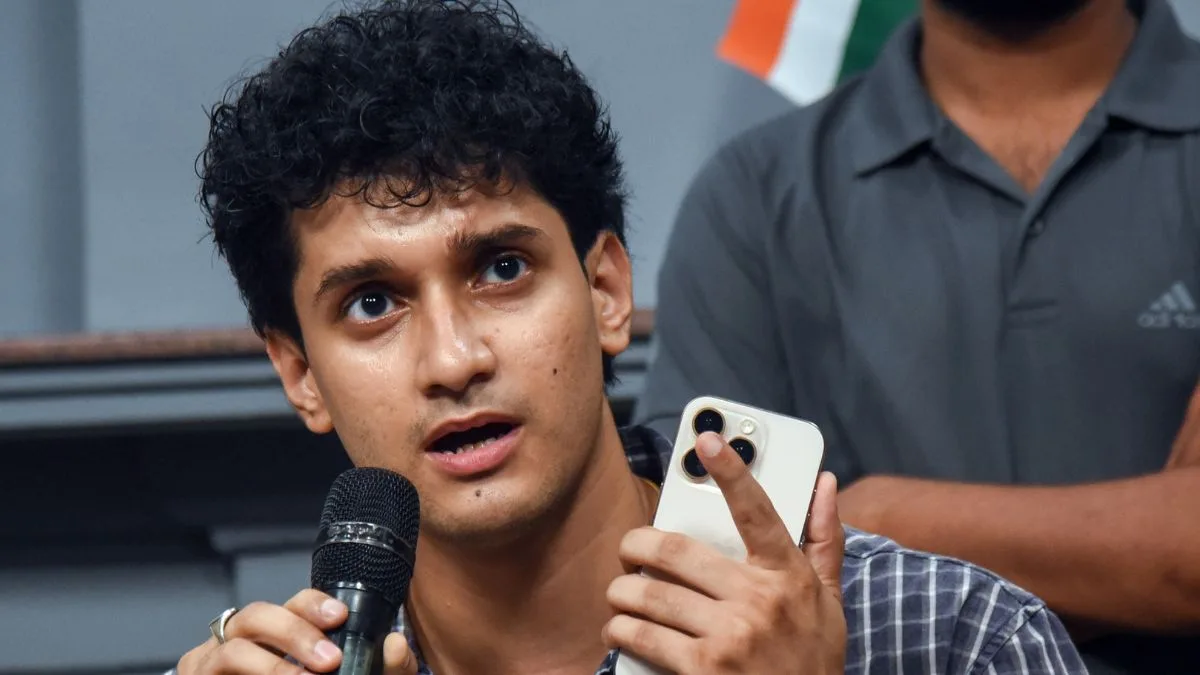
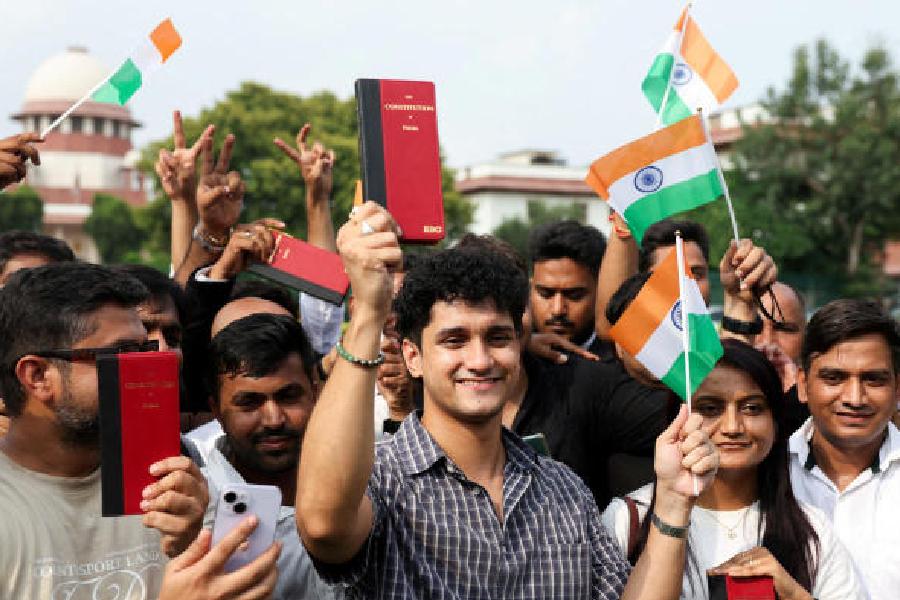
The Cockroach Janta Party said the decision protected students’ right to protest.
The party said families deserve recognition and financial support.
It cancelled a planned march on September 5.
However, Delhi Police may file new cases against 2,873 people described as having serious criminal backgrounds.

The Supreme Court quashed all FIRs against students who joined CJP-led NEET-UG protests between July 20 and 25.
The court said the cases should not harm protesters’ future and could cover similar FIRs omitted from submitted lists.
The government committed to framing a pan-India compensation policy within three months for families affected by student suicides linked to the crisis.
The Cockroach Janta Party called the ruling a victory for student dissent and said it would monitor implementation.
The court allowed Delhi Police to file fresh FIRs against 2,873 Jantar Mantar protesters with serious criminal antecedents, and CJP cancelled its September 5 march.
- Who
- The Supreme Court, the Cockroach Janta Party, NEET-UG protesters, the Centre, and Delhi Police.
- What
- The court quashed protest-related FIRs and addressed a planned compensation policy for affected families.
- Where
- The protests occurred across India, including at Jantar Mantar in Delhi.
- When
- The protests covered by the ruling took place between July 20 and 25; the government has three months to formulate the policy, and CJP cancelled its September 5 march.
- Why
- The FIRs arose from demonstrations over the NEET-UG paper leak crisis, while compensation was sought for families affected by related student suicides.
CJP and Student Protesters
Centre and Police Position
Treatment of protest-related FIRs
CJP and Student Protesters
CJP said students were criminalised for exercising their democratic right to protest and welcomed the quashing of the FIRs.
Centre and Police Position
The Supreme Court allowed Delhi Police to register fresh FIRs against 2,873 Jantar Mantar protesters with serious criminal antecedents.
Compensation for affected families
CJP and Student Protesters
CJP said the government’s commitment must become a fair, transparent policy that reaches every eligible family without further delay.
Centre and Police Position
The Centre committed before the Supreme Court to formulate a pan-India compensation policy within three months.
Key facts
- Court action
- All FIRs against students who participated in the CJP-led protests were quashed.
- Protest period
- The covered protests took place from July 20 to 25.
- Compensation timeline
- The government committed to framing a pan-India policy within three months.
- Affected families
- The policy concerns families of students who died by suicide in connection with the NEET-UG paper leak crisis.
- Fresh FIRs
- Delhi Police may register fresh FIRs against 2,873 people with serious criminal antecedents.
- Cancelled event
- CJP called off its planned September 5 march.
Quotes
Abhijeet Dipke
Founder and national convenor of the Cockroach Janta Party
“Students should be in classrooms, not police stations. They should not have to take to the streets to demand basic accountability from their government. This decision should be a lesson to those in power that dissent cannot be silenced through intimidation.”
 rediff.com
“Today's decision is a victory for every student who was told that raising their voice was a crime. We protested because the government refused to listen. Instead of answering students, the state responded with FIRs and police action.”
rediff.com
Sources
Related news

Supreme Court Quashes NEET Protest FIRs, CJP Cancels Rally
Supreme Court Quashes NEET Protest FIRs; CJP Calls Off March
CJP Withdraws September 5 March After FIR Assurances
Supreme Court Quashes NEET Protest FIRs, CJP Calls Off March
Supreme Court Quashes Student Protest FIRs, CJP Withdraws March
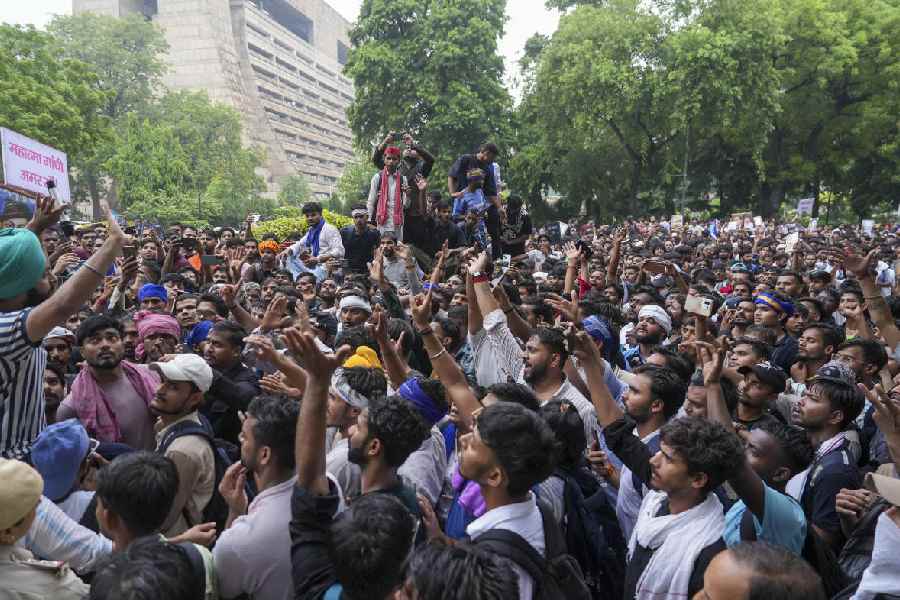
Centre Seeks Supreme Court Quashing of NEET Protest FIRs
Orissa High Court Says Brothel Customers Cannot Face Trafficking Charges
UPSC Key Covers SCO, Electoral Rolls, Economy, Defence and Climate
TMC Alleges Police Misuse and Denial of Legal Notices

Bajwa Questions Punjab Government Over Pending Employee DA Arrears
Banke Bihari Temple to Livestream Rare Janmashtami Mangala Aarti