

4 hrs ago
Creatine Gains New Relevance for Women, but Benefits Vary
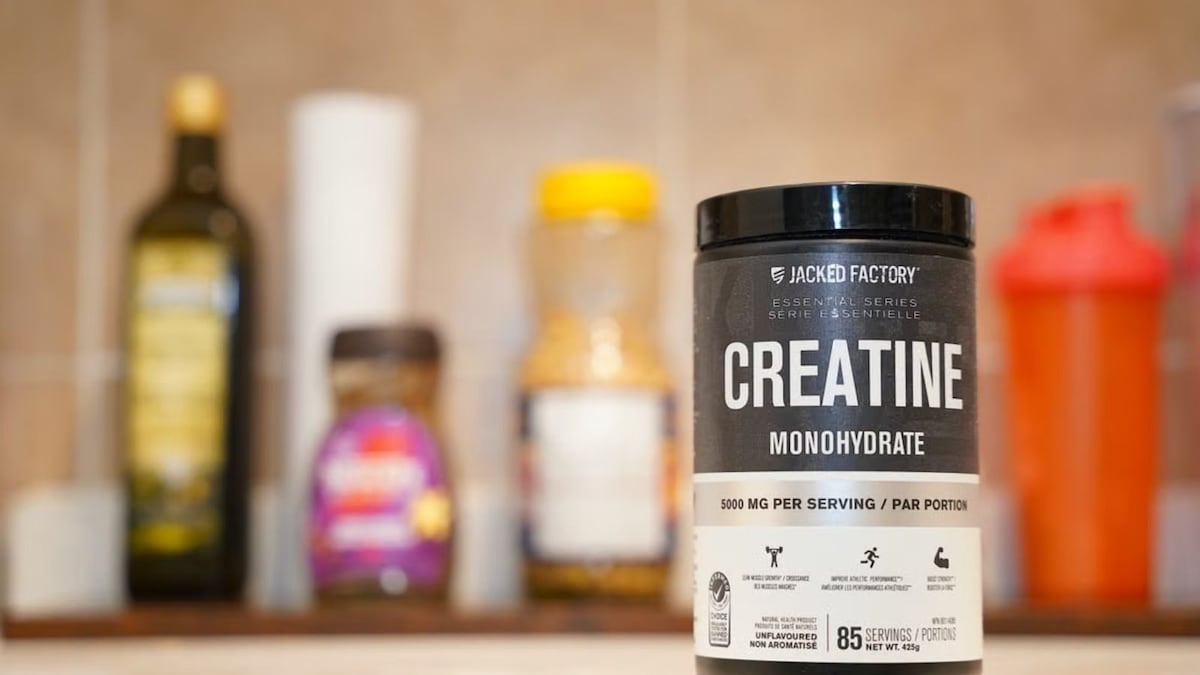
Creatine is a substance that helps muscles produce energy.
Women usually store less creatine than men, and menopause can change how the body uses it.
Some studies suggest creatine may help women build a small amount of extra muscle when they also do strength training.
One study found that it improved leg strength compared with a dummy pill.
Scientists are also testing whether it could help the brain during menopause.
However, the evidence for brain and mood benefits is still uncertain.
A large study found that creatine did not make bones stronger.
People should ask a doctor before taking it, especially if they have kidney problems or take medicines.

Women accounted for 30% of GNC creatine purchases, up from 18% in 2020.
A 2026 meta-analysis found modest increases in muscle mass and leg-press strength among postmenopausal women taking creatine with resistance training.
Researchers are studying whether creatine may affect brain metabolism and cognition during perimenopause, but evidence remains preliminary.
A large two-year trial found no meaningful improvement in bone strength from creatine combined with exercise.
Most studies used about five grams daily, and experts advise consulting a doctor, particularly for people with kidney concerns or medication use.
- Who
- Women, particularly perimenopausal and postmenopausal women, along with researchers studying creatine.
- What
- Creatine is gaining popularity among women as a supplement, with evidence suggesting modest muscle benefits but no demonstrated bone-strength benefit.
- Where
- The research involves institutions including the University of North Carolina at Chapel Hill, the University of Colorado School of Medicine, and the University of Saskatchewan; the article also discusses relevance for Indian women.
- When
- The trend has grown since 2020; studies cited include a 2021 review, a 2026 meta-analysis, and a two-year trial.
- Why
- Women generally store less creatine, menopause affects creatine use and muscle, and vegetarian diets provide little dietary creatine.
Potential benefits
Evidence limitations
Muscle and strength
Potential benefits
Research suggests creatine can provide modest additional gains in lean muscle and leg-press strength when combined with resistance training.
Evidence limitations
The reported gains were modest, and the clearest benefits depend on combining creatine with resistance training.
Brain and mood
Potential benefits
Early studies have reported changes in reaction time and brain creatine levels, prompting a trial in perimenopausal women.
Evidence limitations
Evidence for cognitive and mood benefits remains preliminary and less conclusive than the muscle evidence.
Bone protection
Potential benefits
An earlier, smaller trial led researchers to expect that creatine might improve bone strength.
Evidence limitations
The largest trial found no meaningful bone-strength improvement, so claims that creatine protects bones are not supported by that study.
Key facts
- Women’s share of GNC purchases
- 30% recently, compared with 18% in 2020
- Meta-analysis participants
- More than 600 postmenopausal women across seven randomized trials
- Muscle-mass difference
- Creatine plus resistance training increased lean mass by 0.37 kilograms more than a dummy pill
- Strength difference
- Leg-press strength increased by 7.5 kilograms more than with a dummy pill
- Bone-strength trial
- A two-year study of 237 postmenopausal women found no meaningful difference between creatine and a dummy pill
- Common study dosage
- About five grams per day
- Brain research
- A trial is studying 51 perimenopausal women
Quotes
Philip Chilibeck and co-authors
Researchers reporting the results of a creatine and bone-strength study
“The evidence does support that it's a safe supplement to take, especially for women”
 CNBC TV 18
“The lack of an effect on bone density does not support our original theory”
CNBC TV 18
Sources
Related news

Shweta Kawaatra Says Weight Training Helps During Menopause
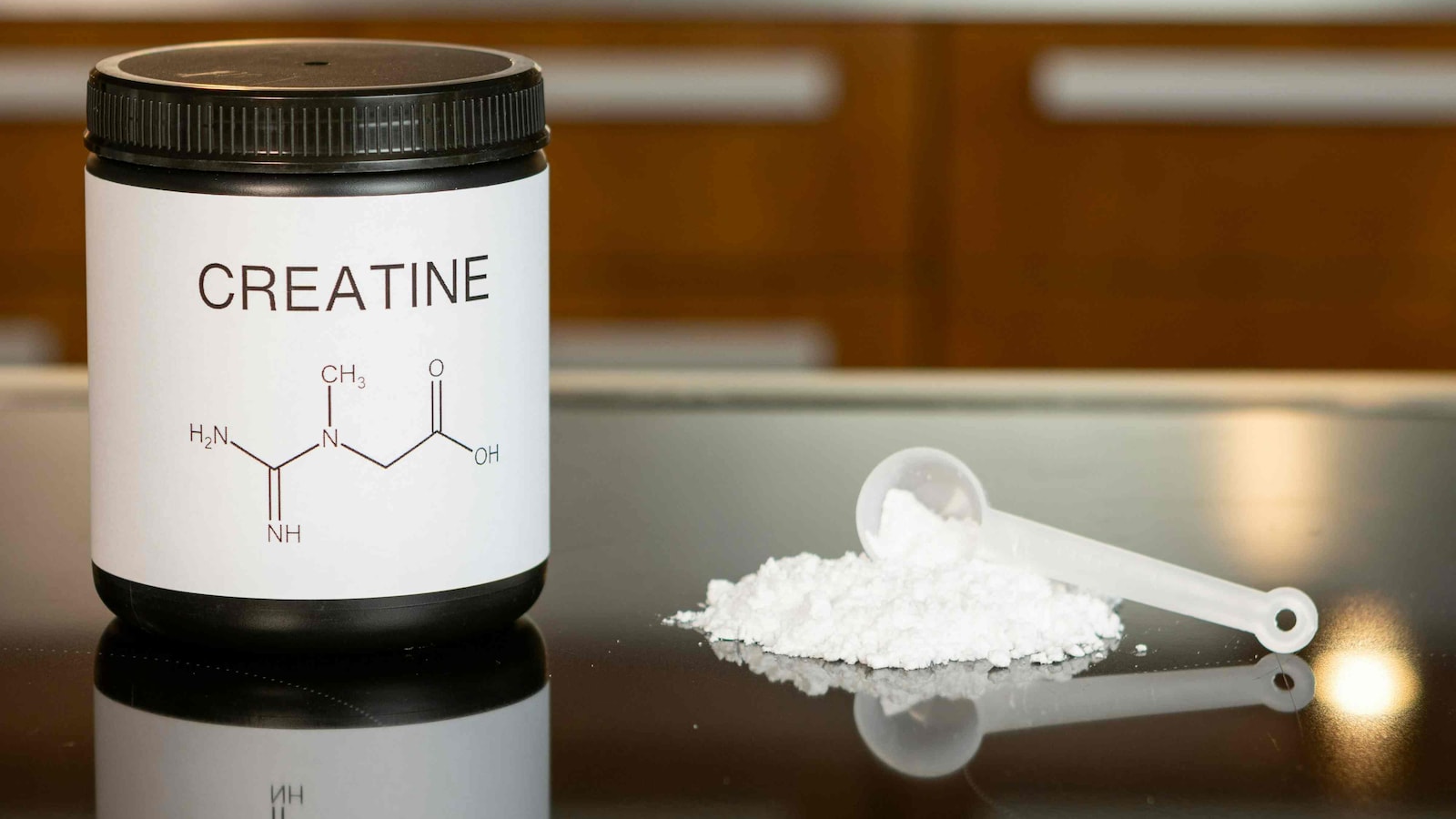
Stopping Creatine Usually Lowers Water Weight, Not Muscle
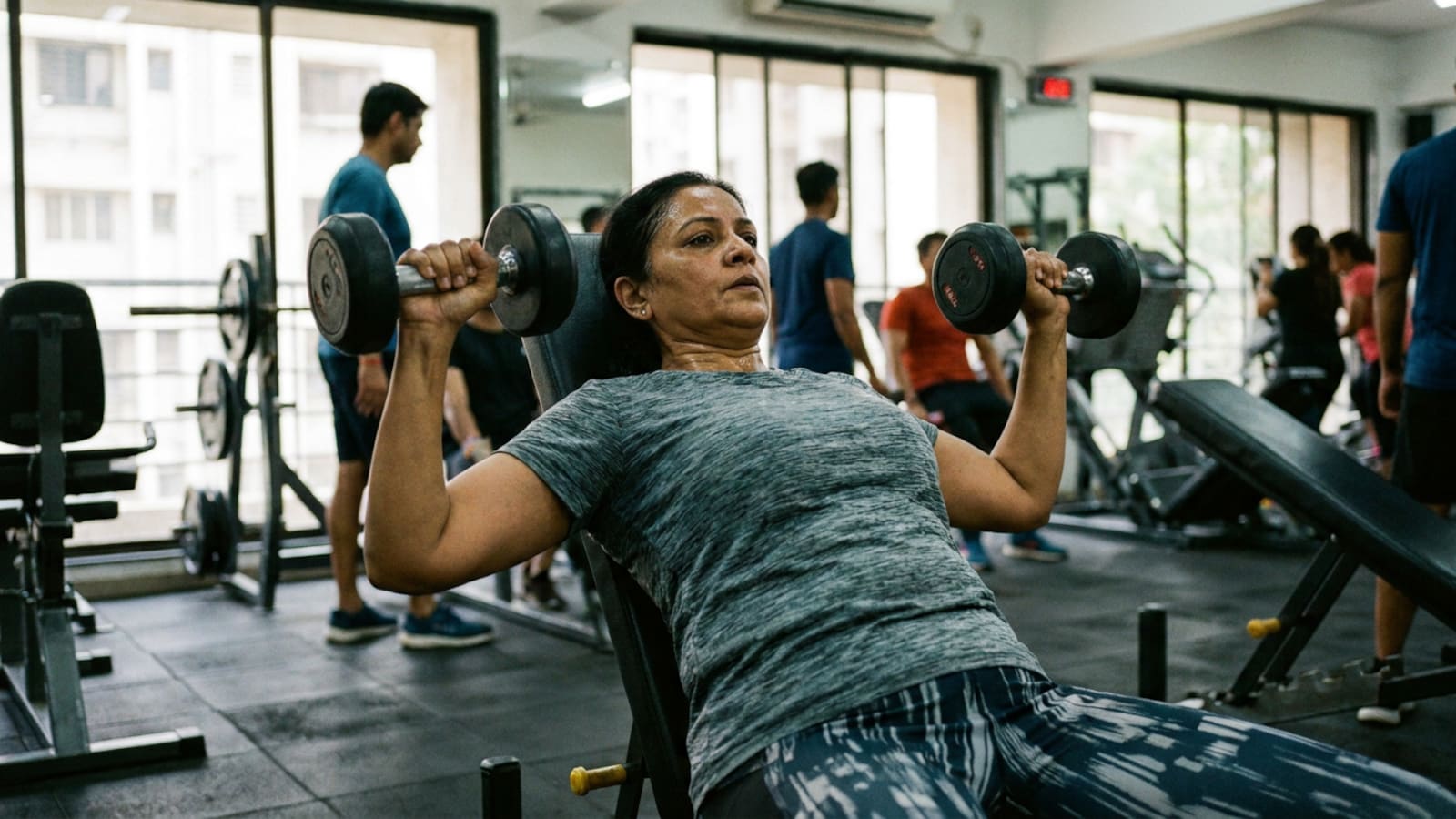
Why Strength Training Usually Does Not Make Women Bulky

Creatine Benefits Are Limited Despite Higher Muscle Stores
Why Women May Face Greater Fat-Loss Challenges Than Men

How Barbell Aunty Lost 18 Kg and Improved Prediabetes

India's E-commerce Order Volumes Rise 31% During Independence Day Sales

Tata Mumbai Marathon 2026: BIB Kit and Health Tests
